The Kakapo Recovery Programme: How New Zealand Saved a Flightless Parrot
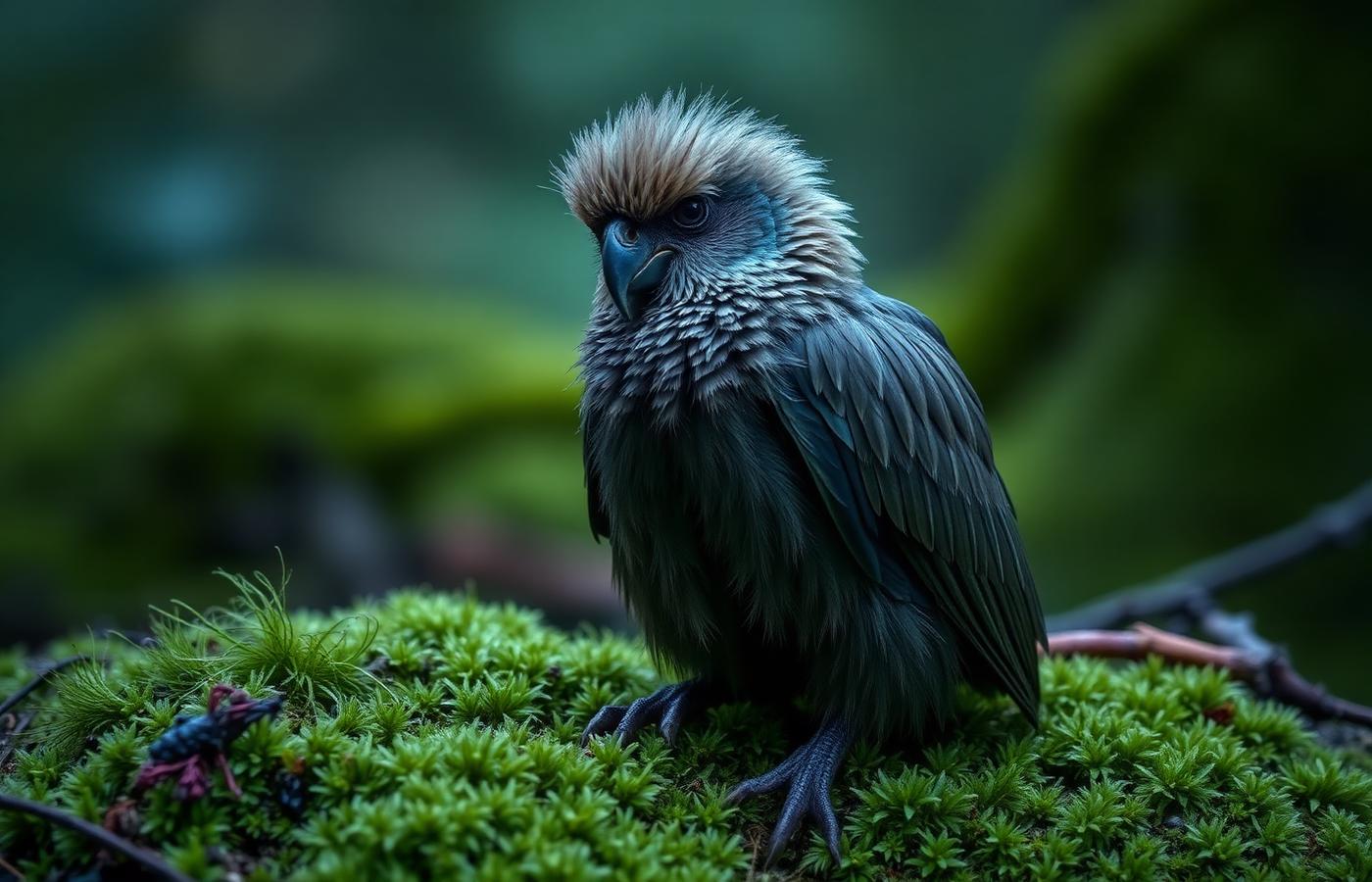
The Kakapo went from a handful of survivors in the 1990s to more than 250 birds today. Here's how — and what still threatens the world's only flightless nocturnal parrot.
Deep coverage of critically endangered bird species, recovery programmes, captive breeding efforts and the science behind bringing species back from the brink.

The Kakapo went from a handful of survivors in the 1990s to more than 250 birds today. Here's how — and what still threatens the world's only flightless nocturnal parrot.

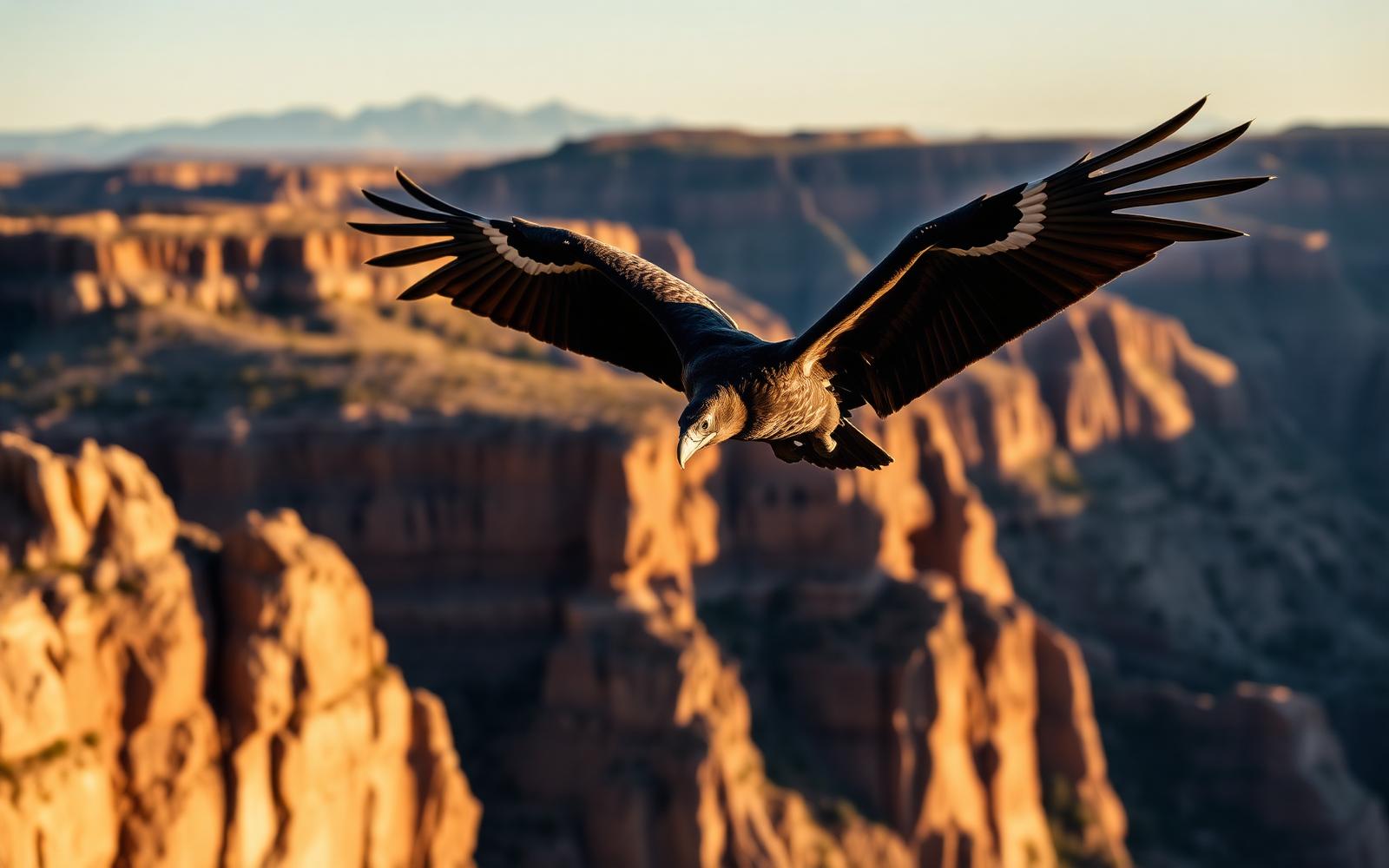
In 1987, every California Condor left on Earth was pulled into captivity. The species is back — barely — thanks to one of the most expensive recovery programmes in history.

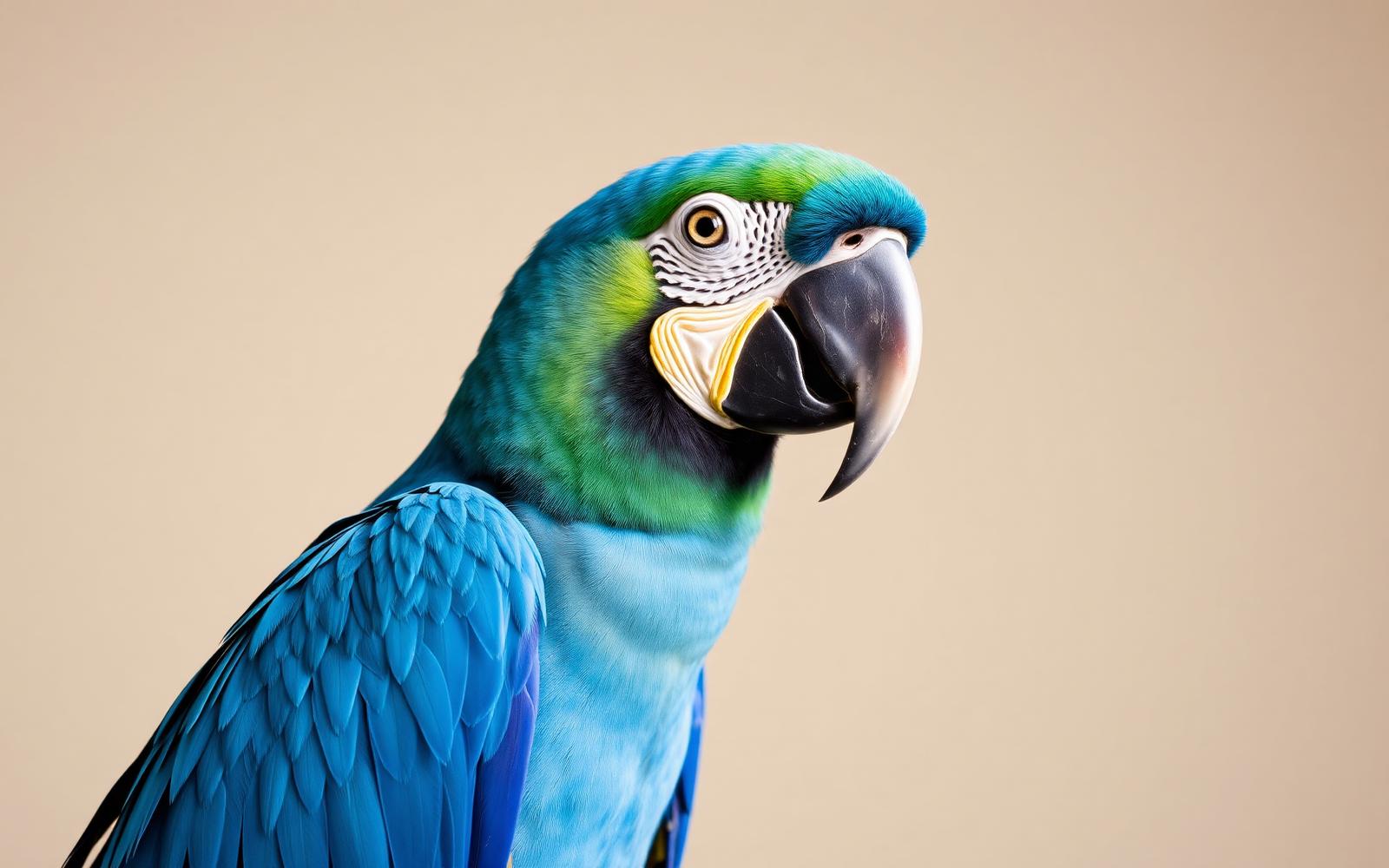
For twenty years, Spix's Macaw existed only in cages. Its 2022 release into Brazilian caatinga is the most ambitious parrot reintroduction ever attempted.

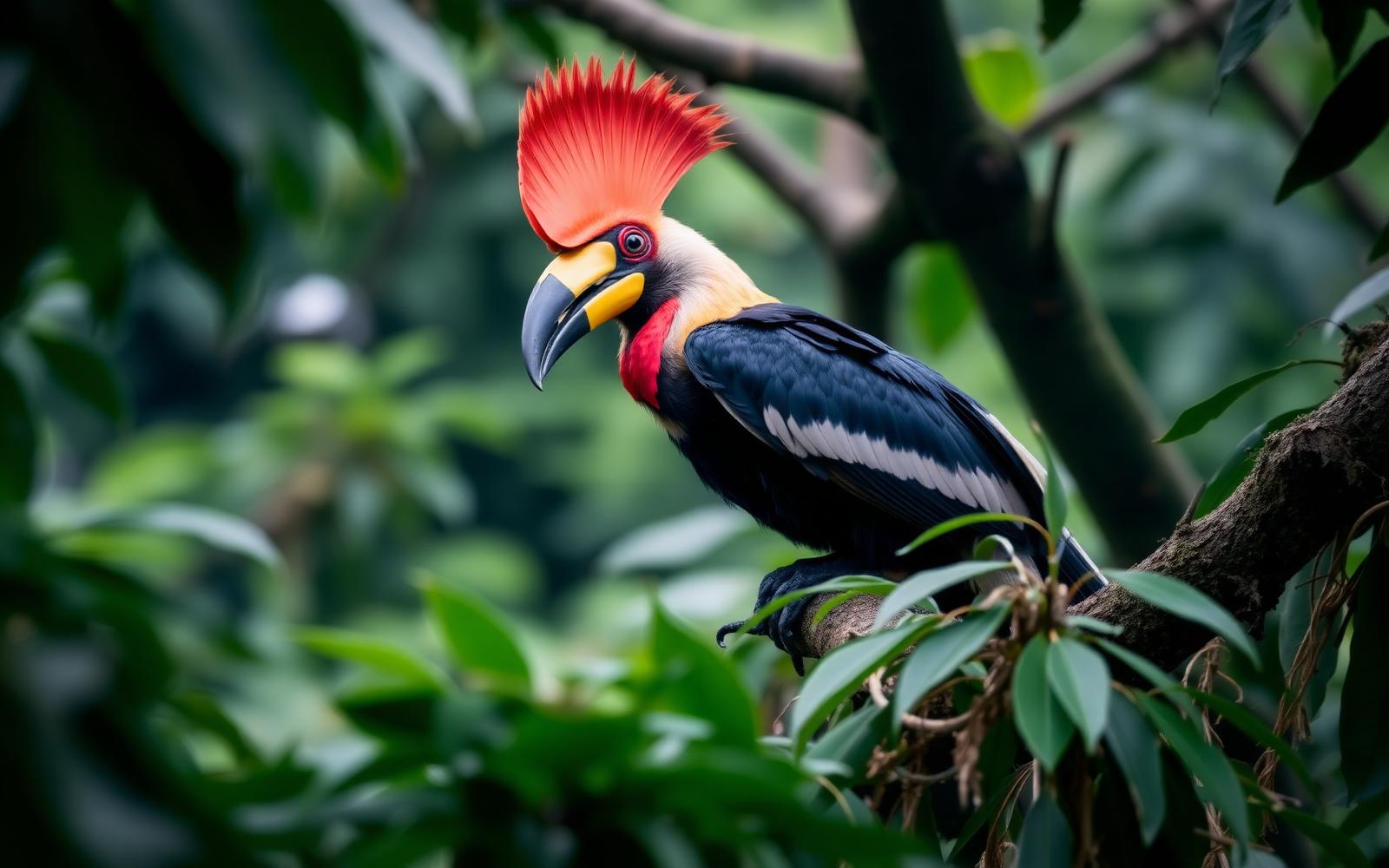
The Helmeted Hornbill is the only bird on Earth with a solid keratin casque. That casque, sold on the black market as 'red ivory', is driving the species toward extinction.

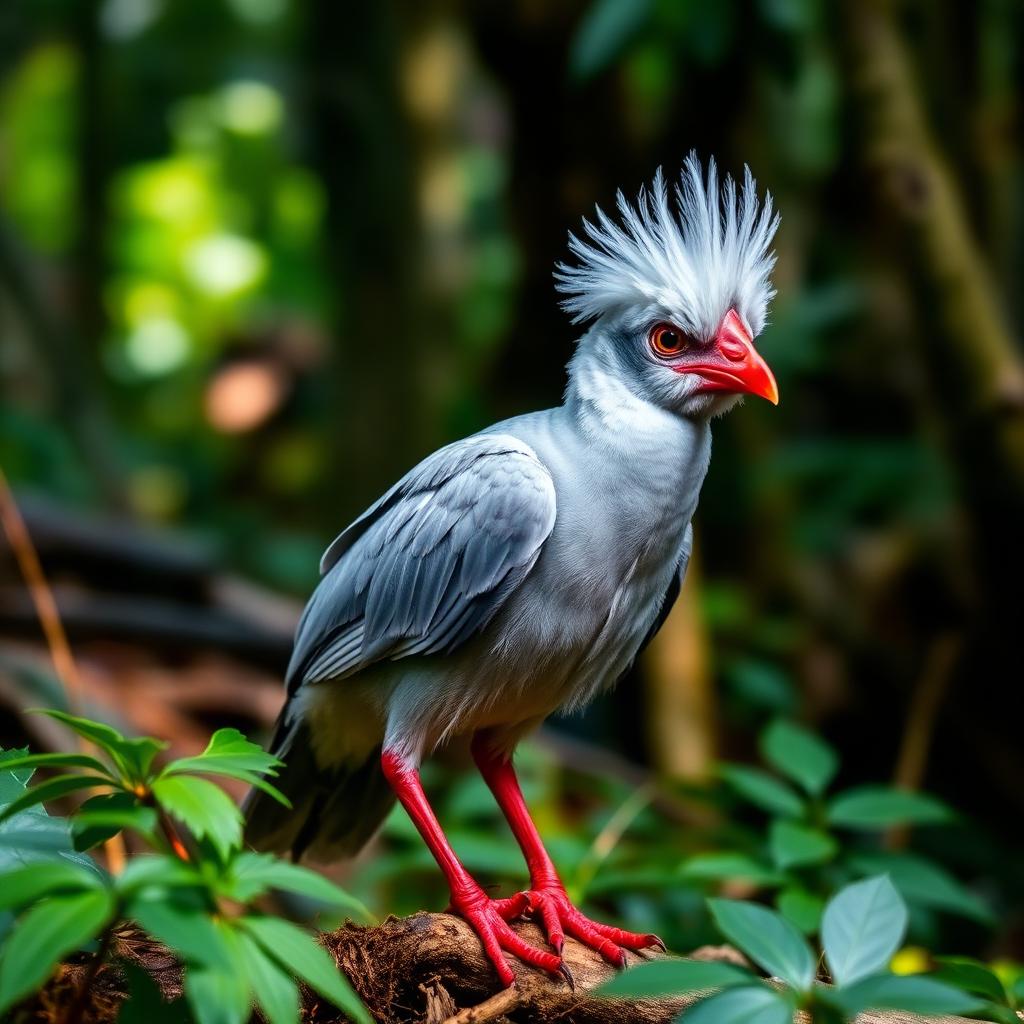
The Kagu is a bird found nowhere else on Earth — a ghost-pale, flightless forest inhabitant that survives only on a single Pacific island.

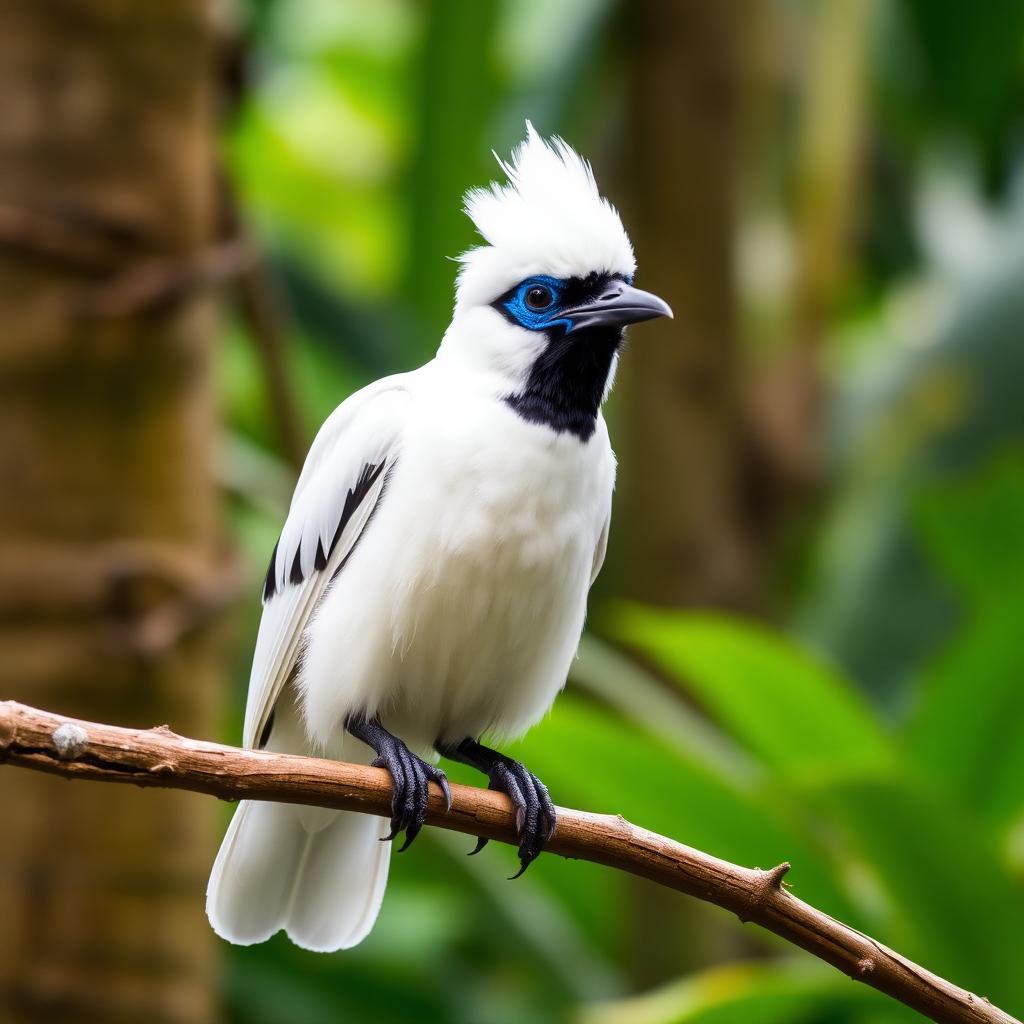
The Bali Myna is arguably the most trafficked songbird in Southeast Asia. Its snow-white plumage and status as Bali's provincial bird made it a target — and its slow return is now a case study in island reintroduction.

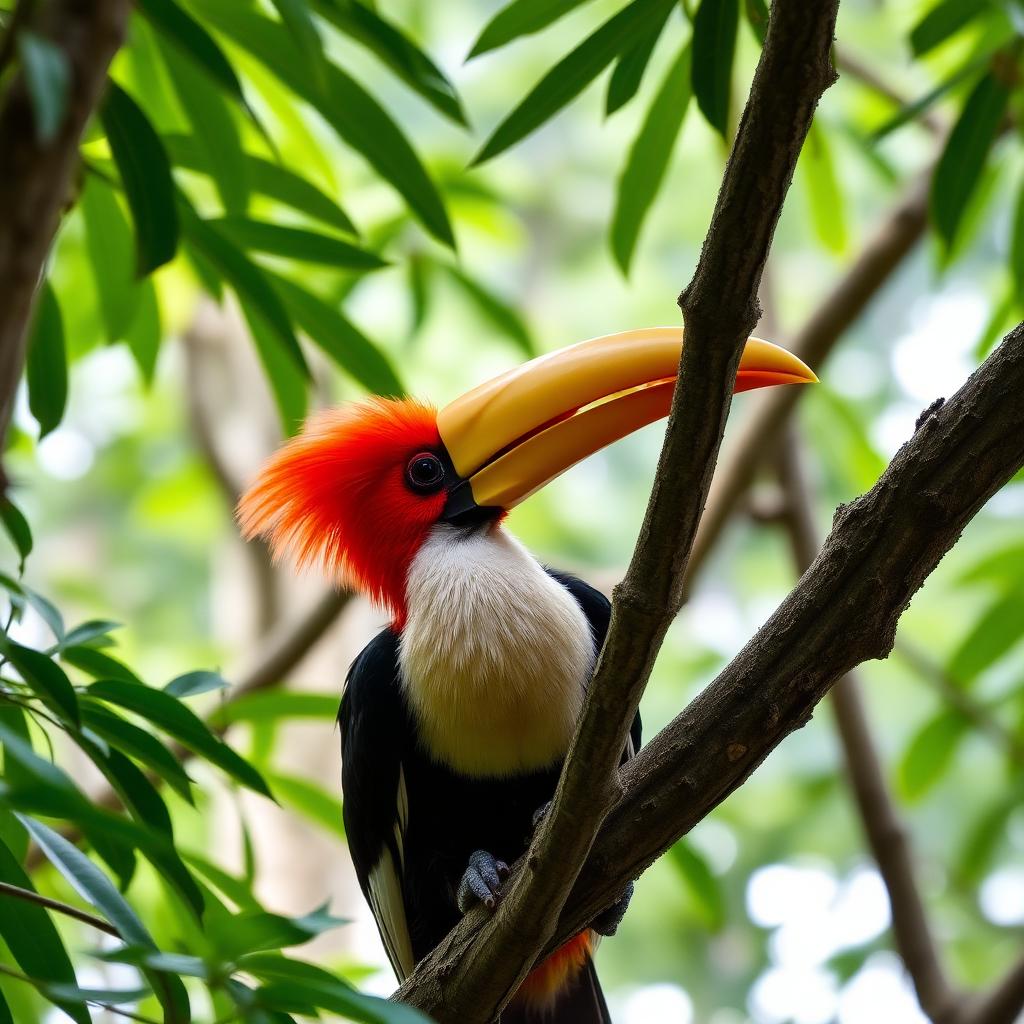
The Rufous-headed Hornbill is now one of the world's rarest hornbills, restricted to a few thousand hectares of intact rainforest on a single Philippine island.

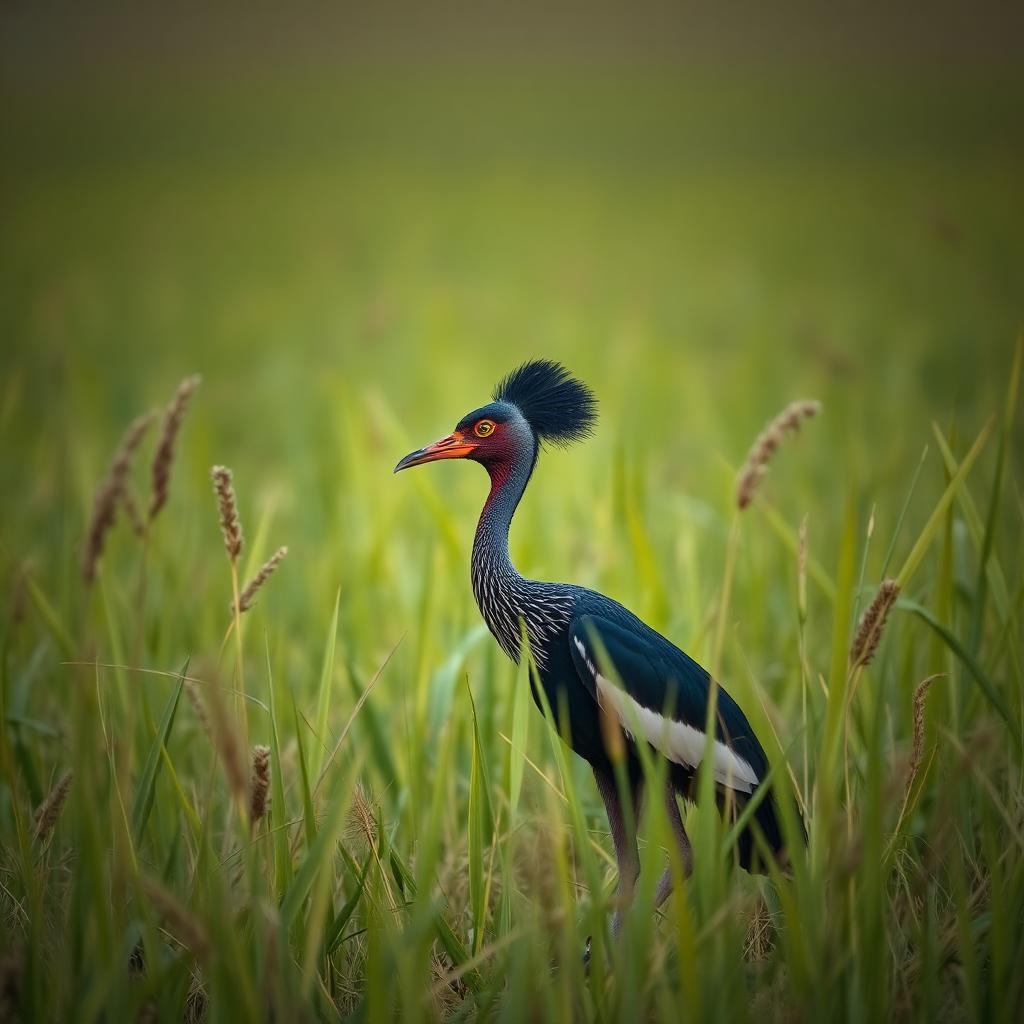
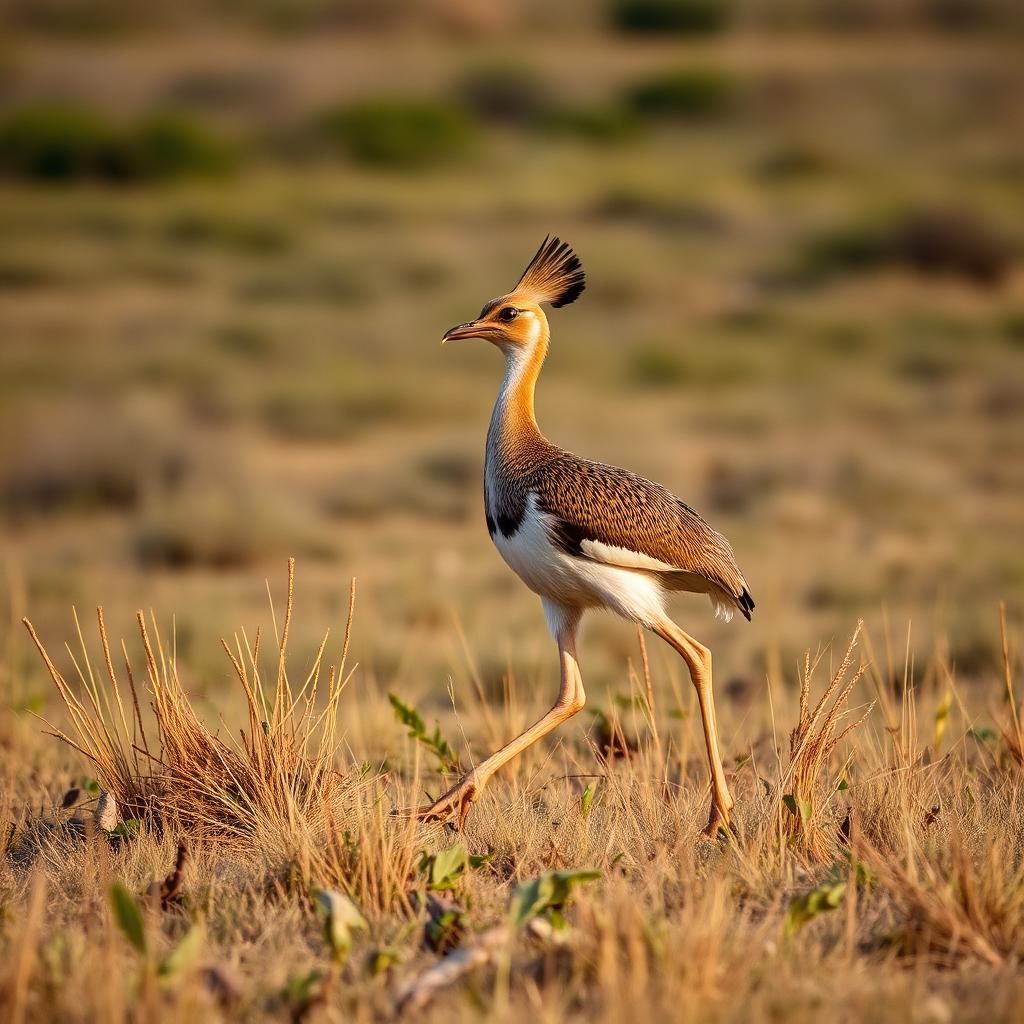
Fewer than 1,000 Bengal Floricans remain across two continents. Here is what makes this small bustard extraordinary, and why its grasslands must be saved.

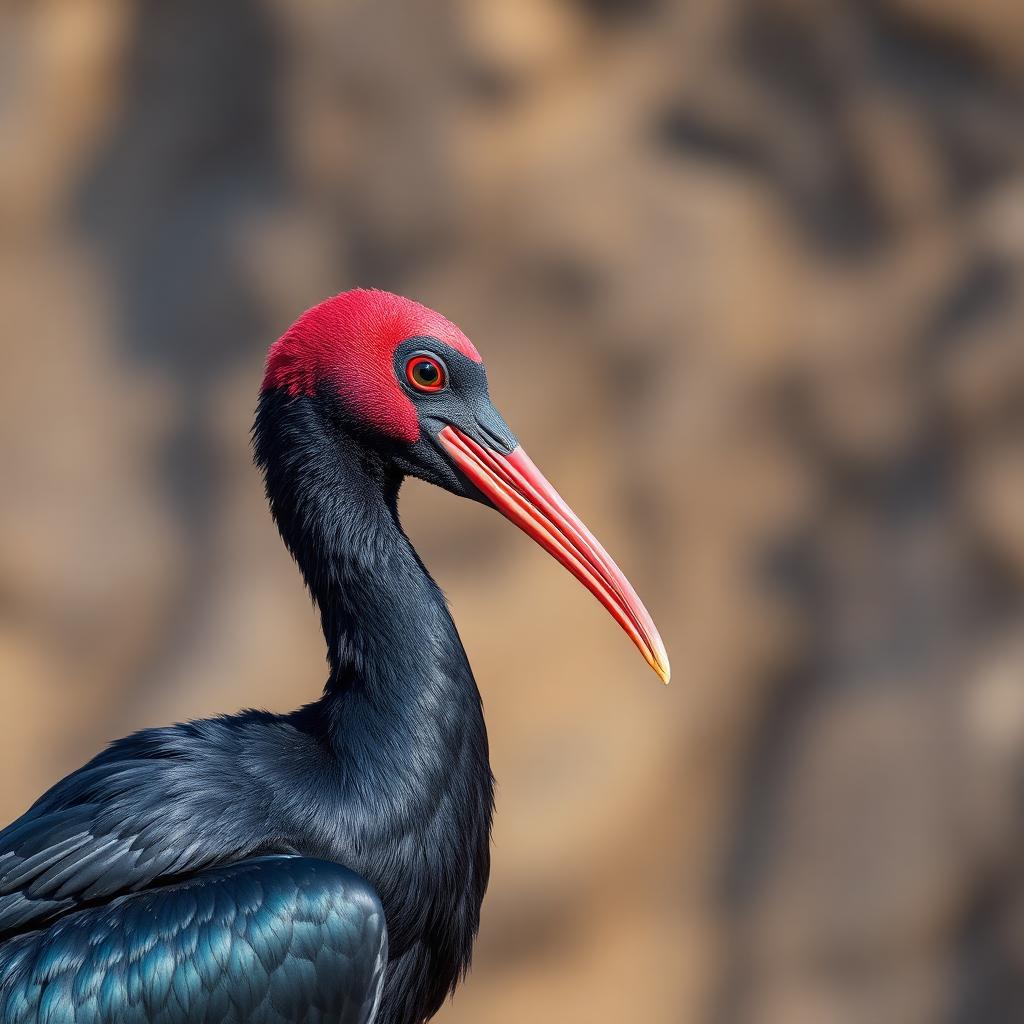
The Northern Bald Ibis is one of Europe's most surprising conservation stories — a species declared extinct locally, and now teaching pilots to lead its migration.

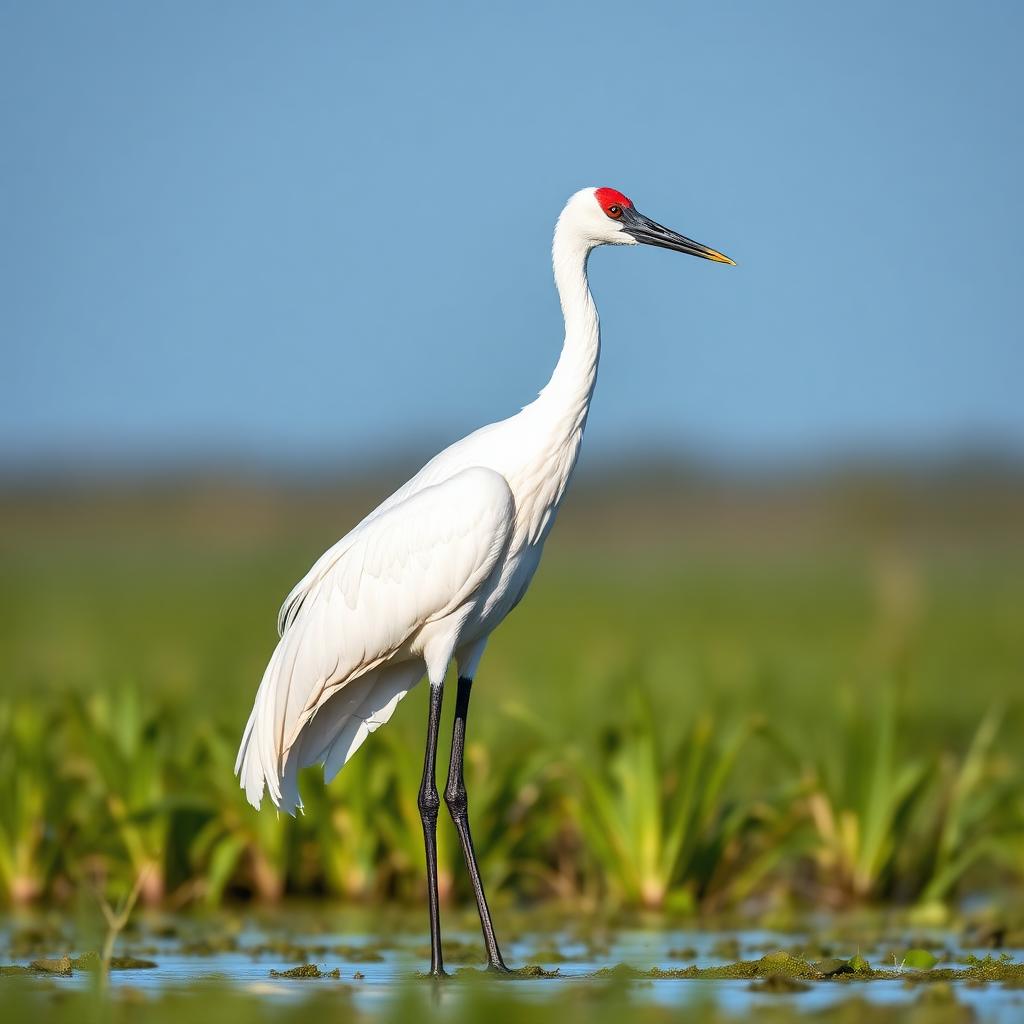
The Whooping Crane went from 21 birds to more than 800 in eighty years. Here is how — and why the species is still not out of danger.

The Great Indian Bustard once ranged across half a continent. Today, fewer than 150 survive, and powerlines across the Thar Desert are killing them faster than they breed.

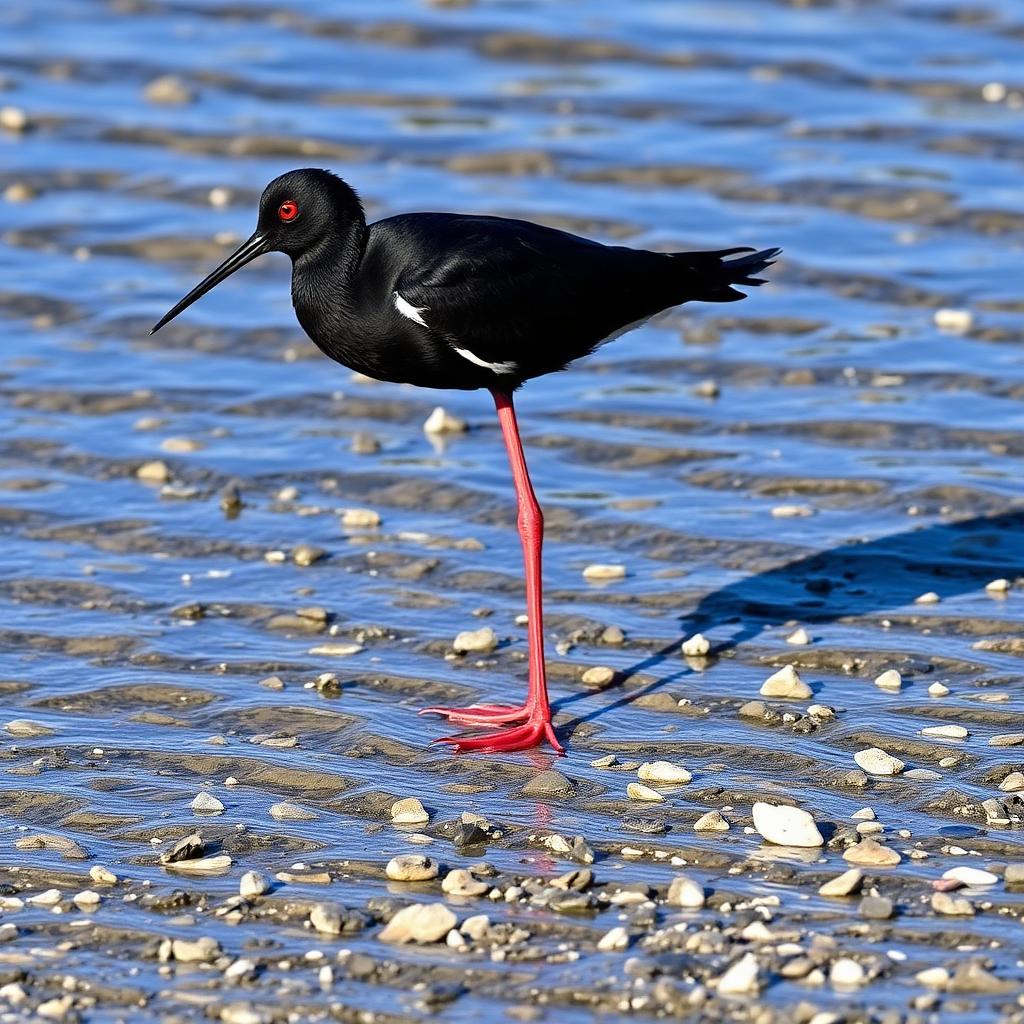
The Black Stilt has all-black plumage, long red legs, and one of the smallest wild populations of any wader on Earth.

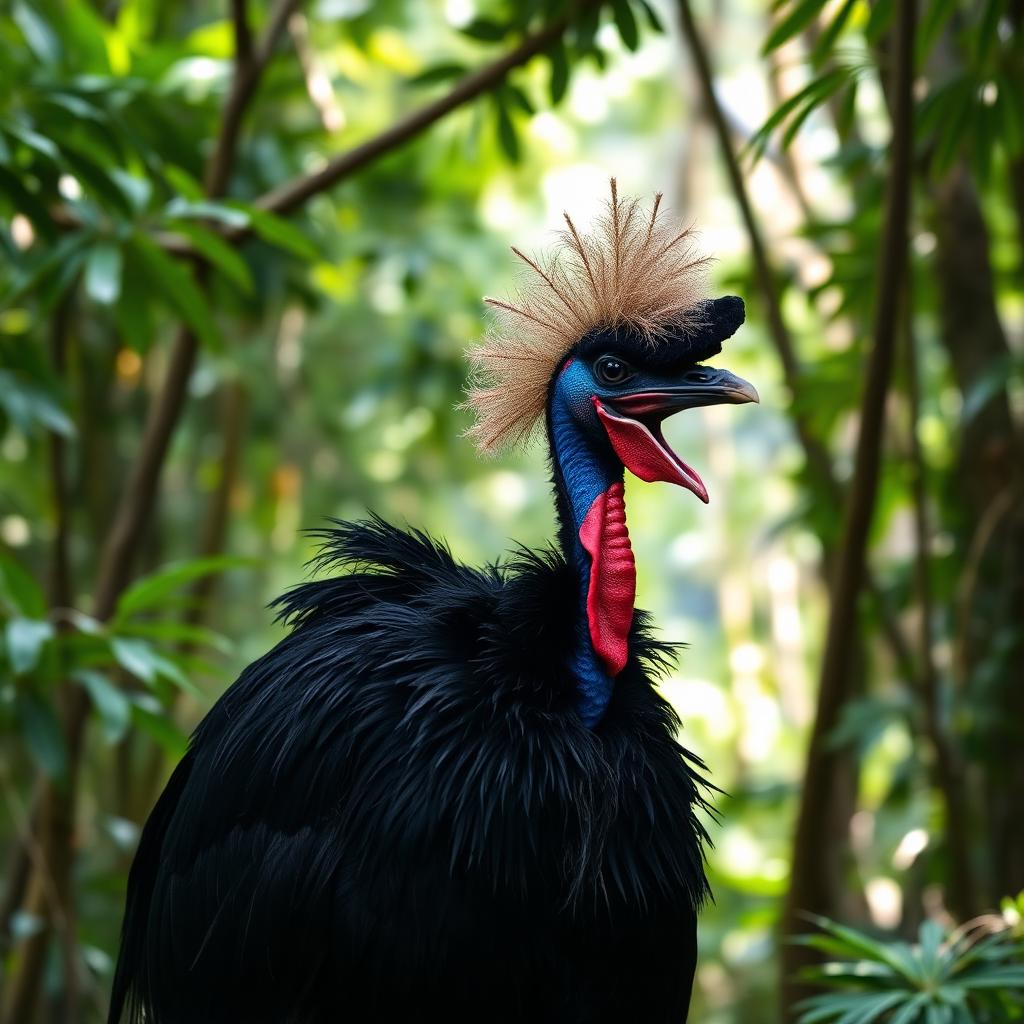
The Southern Cassowary is a flightless, dinosaur-like bird that quietly keeps the Wet Tropics rainforest alive — and it is running out of room.

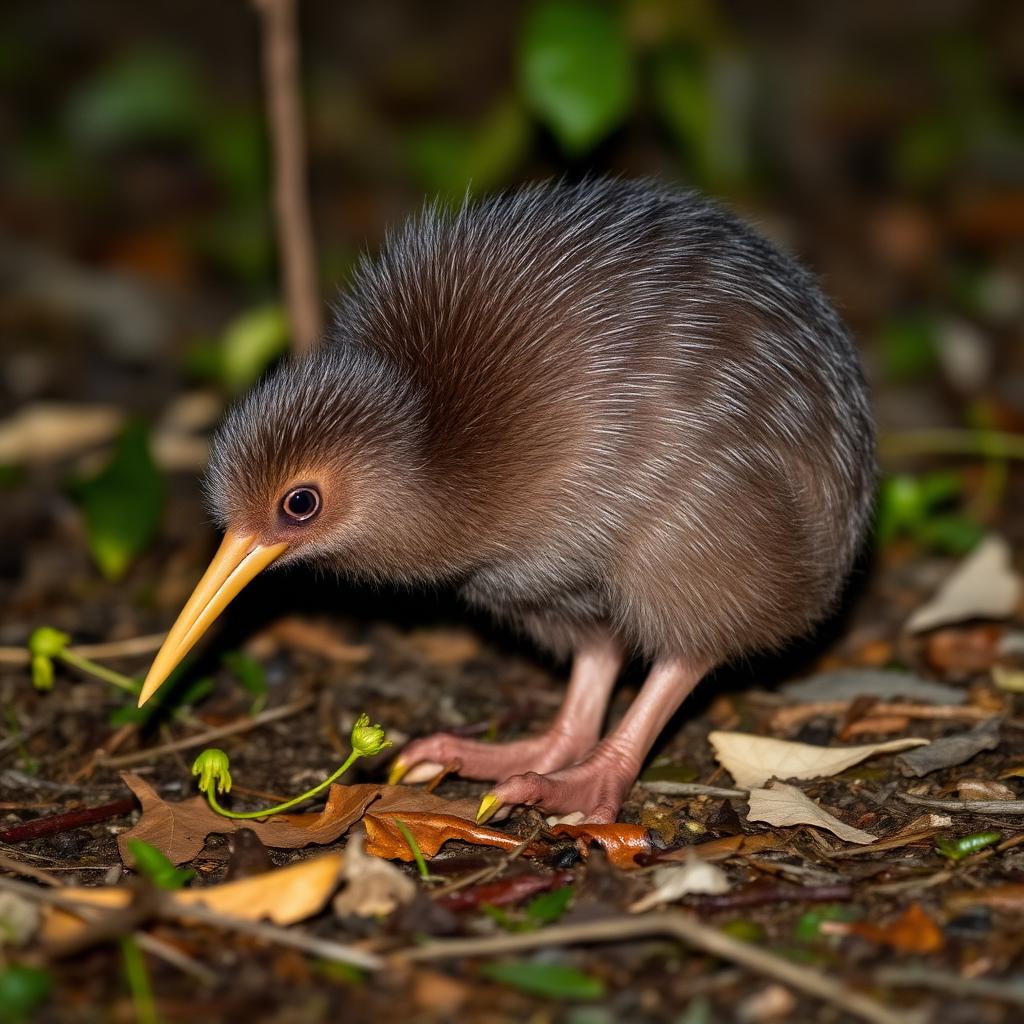
The Okarito Kiwi — known in Māori as the rowi — is the rarest kiwi species, hanging on in a single patch of forest on New Zealand's West Coast.

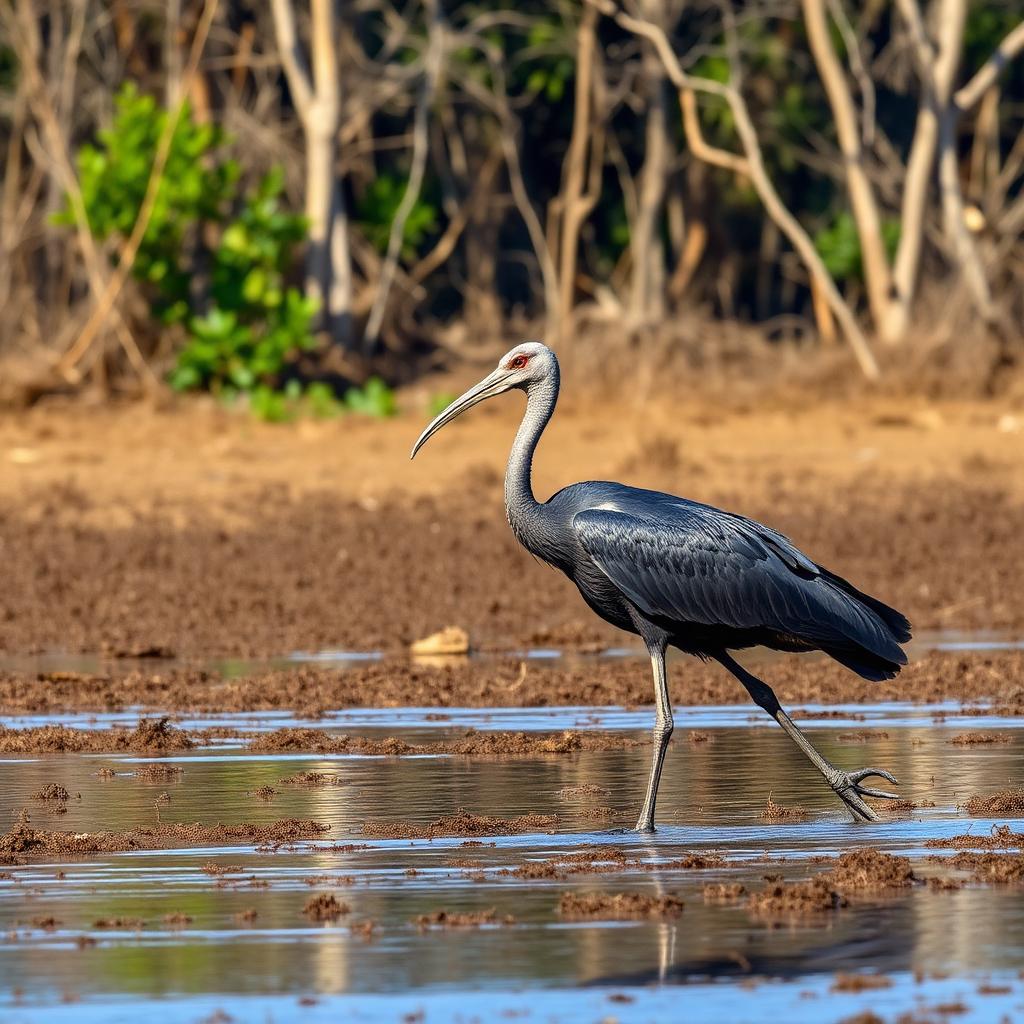
The Giant Ibis is the largest ibis in the world and one of Southeast Asia's most endangered birds, with a wild population estimated below 200 adults.

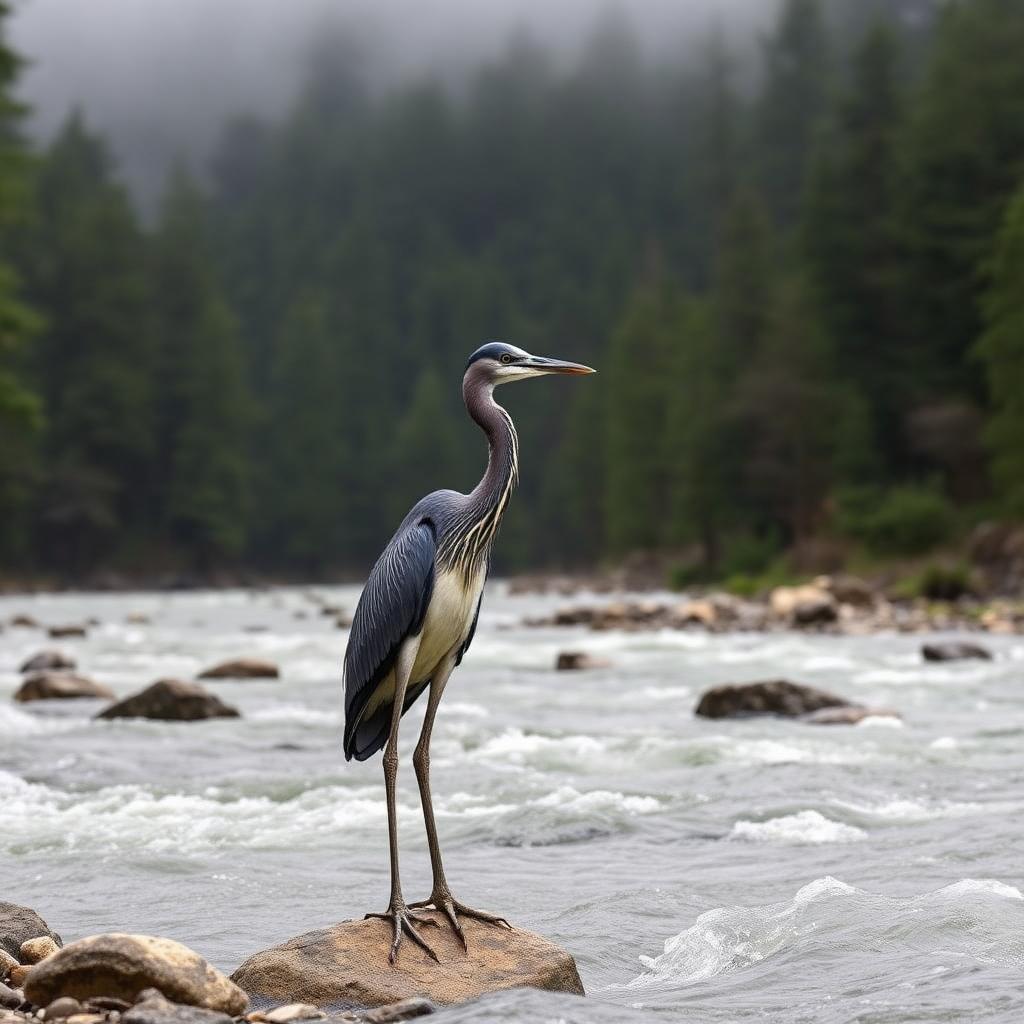
The White-bellied Heron is one of the world's most endangered large birds — a giant of Himalayan rivers now down to fewer than 60 mature adults.

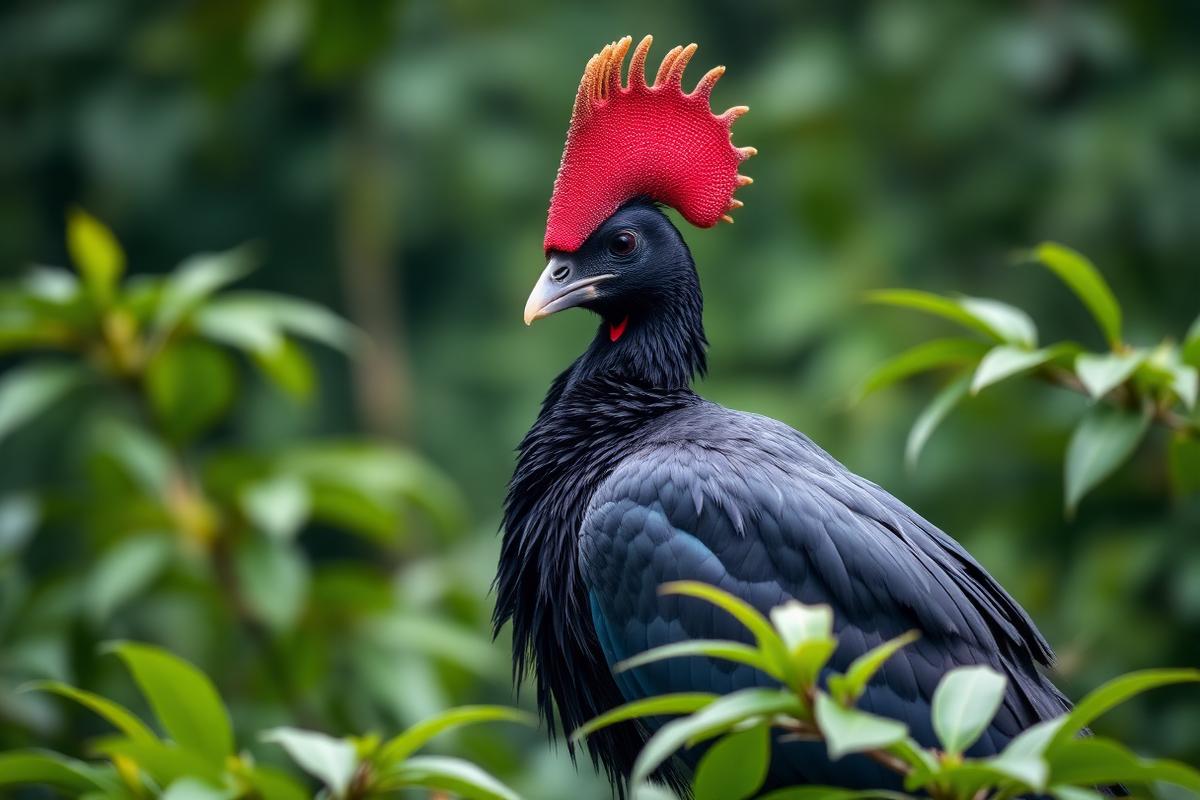
A turkey-sized bird with a scarlet horn on its head, surviving in a handful of volcano-top cloud forests between Chiapas and Guatemala.

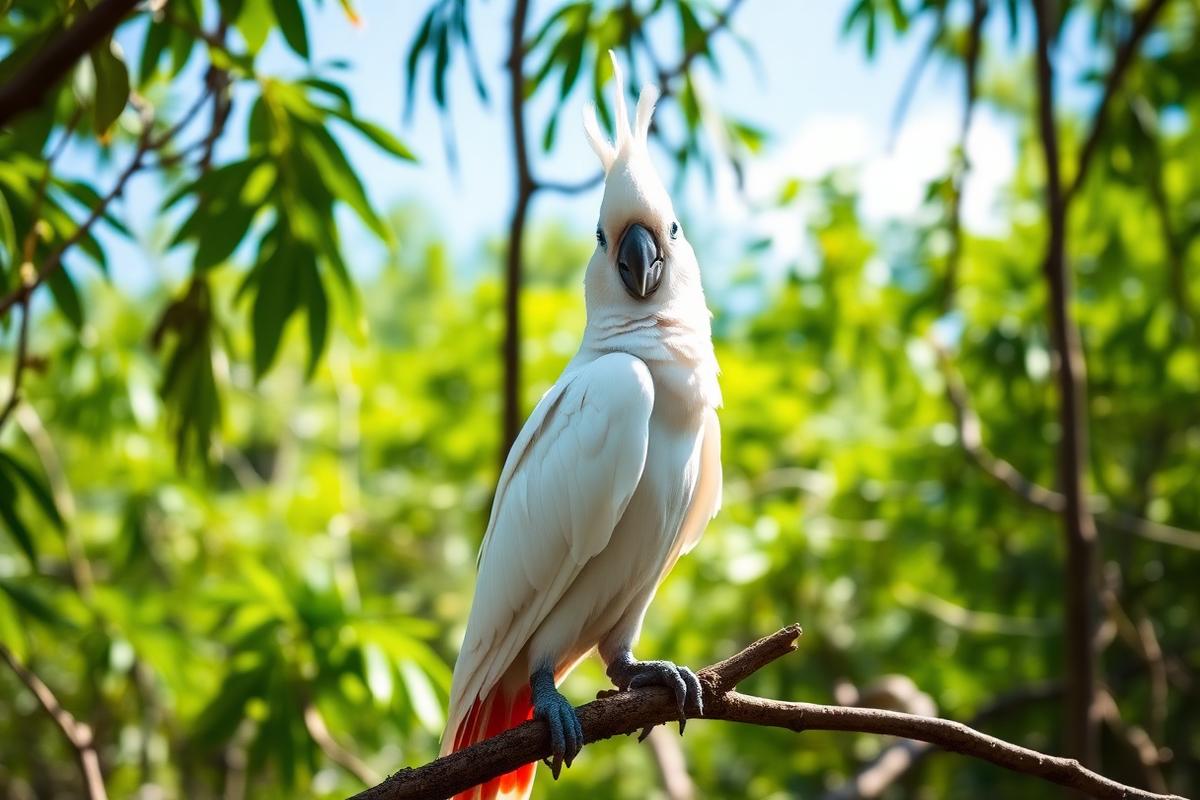
Once common across the Philippines, the red-vented cockatoo crashed to a few hundred birds. Paying former poachers to guard nests changed everything.

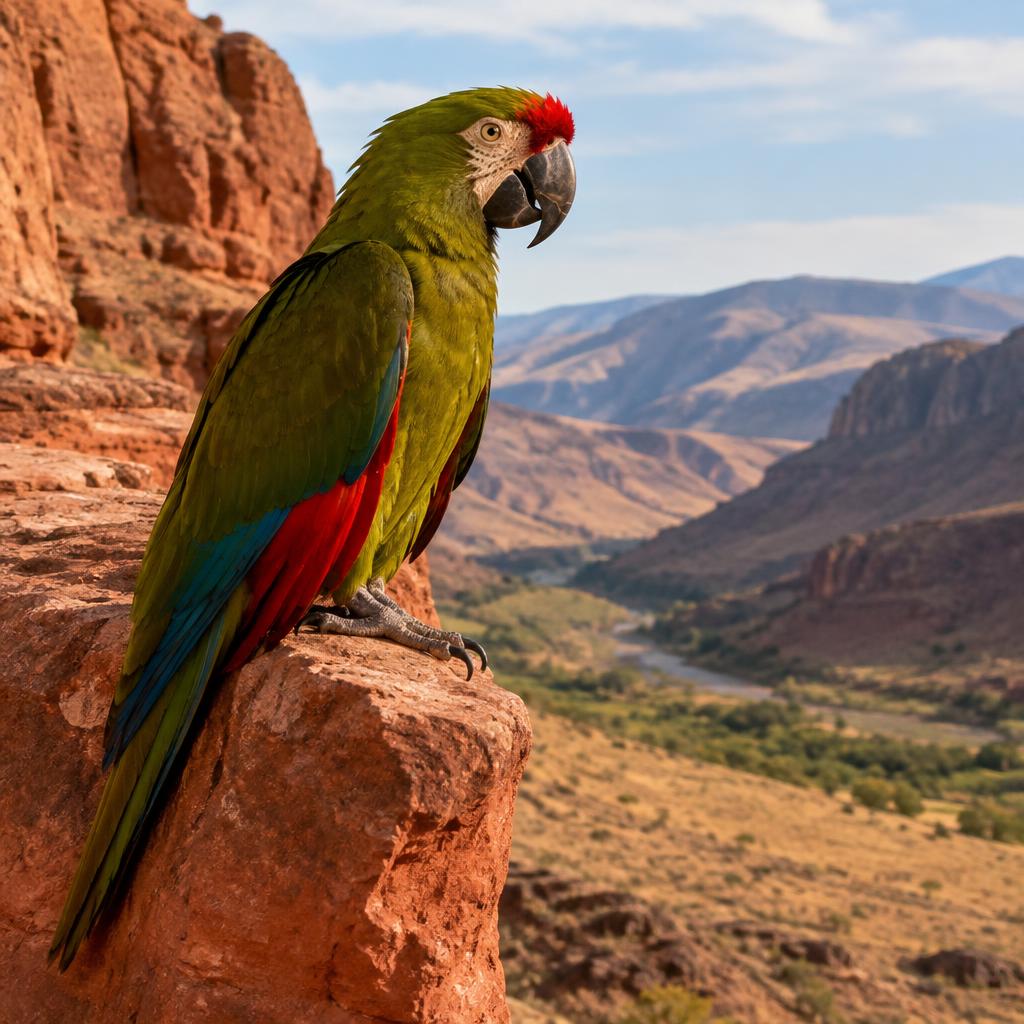
In Bolivia’s dry valleys, a rare macaw’s future depends on safe cliffs, native food plants, and cooperation with farming communities.

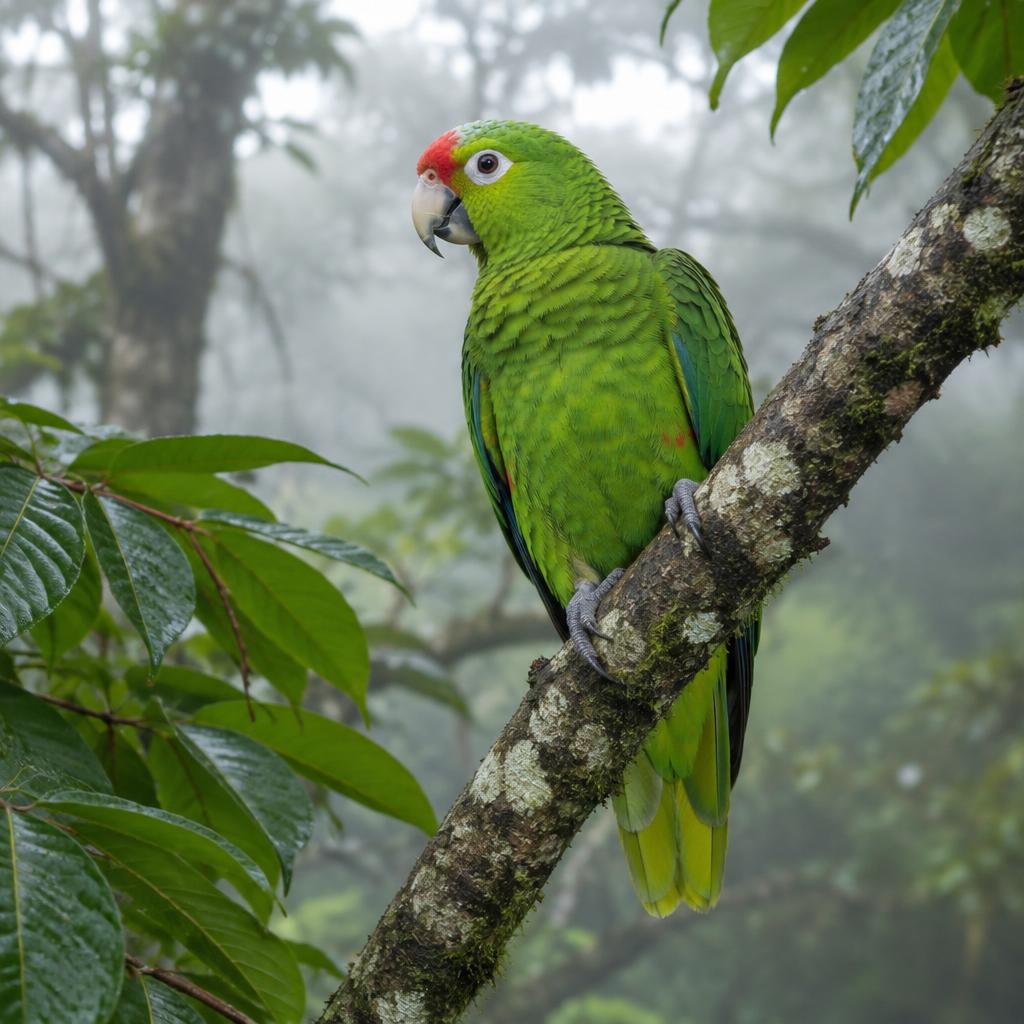
From 13 wild birds to a multi-site recovery network, the Iguaca’s return shows what sustained parrot conservation can achieve—and why it must continue.