Spix's Macaw: Bringing an Extinct-in-the-Wild Parrot Home
For twenty years, Spix's Macaw existed only in cages. Its 2022 release into Brazilian caatinga is the most ambitious parrot reintroduction ever attempted.
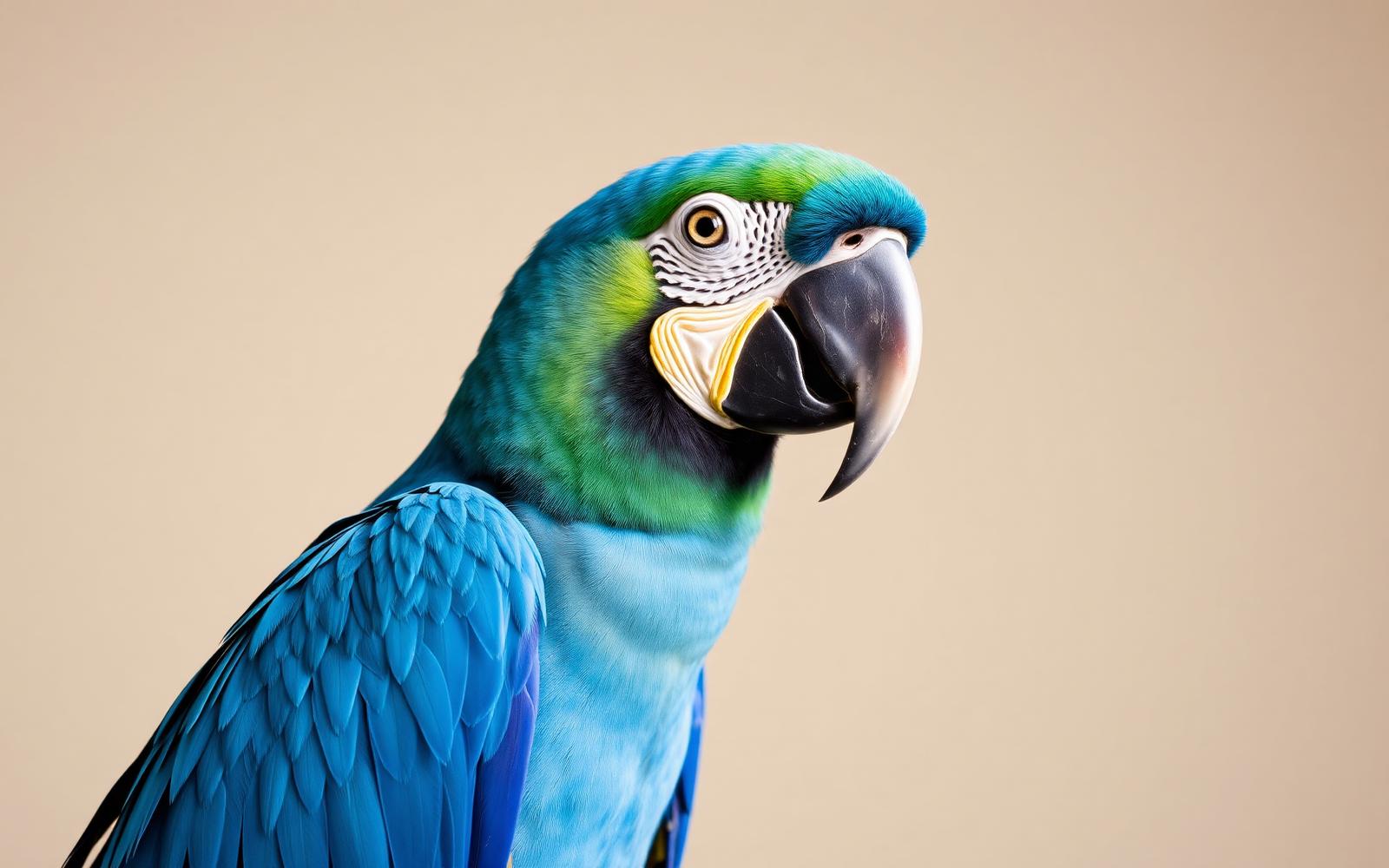
| Scientific name | Cyanopsitta spixii |
|---|---|
| Common names | Spix's Macaw, Little Blue Macaw |
| Length | 55 – 57 cm |
| Historic range | Caatinga of Bahia, Brazil |
| Last wild bird | Disappeared October 2000 |
| Captive population | ≈ 300 birds (2025) |
| Wild population | ≈ 40 released, ~30 confirmed alive |
| IUCN status | Extinct in the Wild (undergoing reassessment) |
The rarest parrot in the world
Spix's Macaw (Cyanopsitta spixii) is a small blue parrot from the caatinga — a dry, thorny scrub-forest biome unique to north-east Brazil. It was never common. By 1990, only a single wild male was known. He mated with a captive Blue-winged Macaw. By October 2000, he was gone. Spix's Macaw reintroduction became the only route left.
The species was formally declared Extinct in the Wild by the IUCN in 2019. At that point, roughly 160 birds existed globally, spread across private aviaries, government facilities and a small handful of dedicated breeding programmes in Germany, Qatar and Brazil.
Rebuilding from a tiny gene pool
The captive population grew slowly because it started genetically narrow. The Association for the Conservation of Threatened Parrots (ACTP) in Germany, working with Brazilian authorities, took genetic management as seriously as any zoo programme in the world — pairing birds based on kinship coefficients and shipping individuals internationally to maintain diversity.
By 2020 the global captive population had crossed 200. By 2024, roughly 300 birds existed in registered collections. That number is small but stable, and — critically — genetically viable enough to sustain a wild release.
The 2022 release: what actually happened
In June 2022, eight Spix's Macaws were released in the Curaçá region of Bahia — the species' historic core range. A second batch followed in December. The release site had been prepared for over a decade with caraiba tree replanting (the species' preferred nesting tree) and community engagement.
Birds were soft-released from an acclimatisation aviary and monitored with satellite transmitters. Early survival was better than modelling predicted: within two years, wild pairs had formed and multiple wild-born chicks had fledged — the first free-flying Spix's Macaw chicks since the late 1980s.
Why this is still fragile
The caatinga is a hard place to be a parrot. Predation by hawks and, on the ground, feral cats is significant. Poachers still consider Spix's Macaw the most valuable single bird on the illegal trade market, which means active anti-trafficking work must run in parallel with releases.
The Spix's Macaw reintroduction team continues to release small cohorts each year, but the wild population sits at around 30 confirmed birds — not yet a self-sustaining group by any strict definition.
What success would look like
For Spix's Macaw to be downlisted from Extinct in the Wild to Critically Endangered, the IUCN needs a wild population reproducing across at least two generations without major captive supplementation. Current projections put that milestone in the early 2030s at the earliest.
Success also requires long-term protection of the caraiba gallery forests along the Melancia and Barra Grande streams. Without that habitat, no release cohort — however large — will make it to the second generation.
A parrot returned
The little blue macaw is not saved. It is, however, back in the sky over the caatinga after two decades of absence. That is a rare thing in conservation, and it deserves the attention.
Key takeaways
- The last wild Spix's Macaw disappeared in October 2000.
- The species was declared Extinct in the Wild by the IUCN in 2019.
- A managed reintroduction began in June 2022 in Bahia, Brazil.
- Wild-born chicks have been documented, but the population is not yet self-sustaining.
Frequently asked questions
Is Spix's Macaw extinct?
It is currently classified as Extinct in the Wild, though the 2022 reintroduction in Brazil has produced wild-born chicks and the classification is being reviewed.
How many Spix's Macaws are left?
Roughly 300 birds exist in captivity worldwide, and about 30 are currently flying free in the caatinga of Bahia, Brazil, following the 2022 release programme.
Why did Spix's Macaw go extinct in the wild?
The main drivers were habitat destruction of the caraiba gallery forest, illegal capture for the pet trade, and the introduction of Africanised honeybees that took over nesting cavities.
Was Spix's Macaw the inspiration for the movie Rio?
Yes. The animated film Rio was directly inspired by the Spix's Macaw story, and the film's release helped raise international awareness and funding for the recovery programme.
Where is Spix's Macaw being reintroduced?
The reintroduction is centred on the Curaçá region of Bahia, Brazil, along the caraiba forest corridors of the Melancia and Barra Grande streams.
References
Related reading
The Philippine Eagle: A Complete Guide to the World's Rarest Raptor
With fewer than 400 breeding pairs remaining, the Philippine Eagle is one of the rarest raptors on Earth. Here's what field biologists have learned in three decades of recovery work.
The Kakapo Recovery Programme: How New Zealand Saved a Flightless Parrot
The Kakapo went from a handful of survivors in the 1990s to more than 250 birds today. Here's how — and what still threatens the world's only flightless nocturnal parrot.