Regent Honeyeater: Australia's Song-Losing Songbird
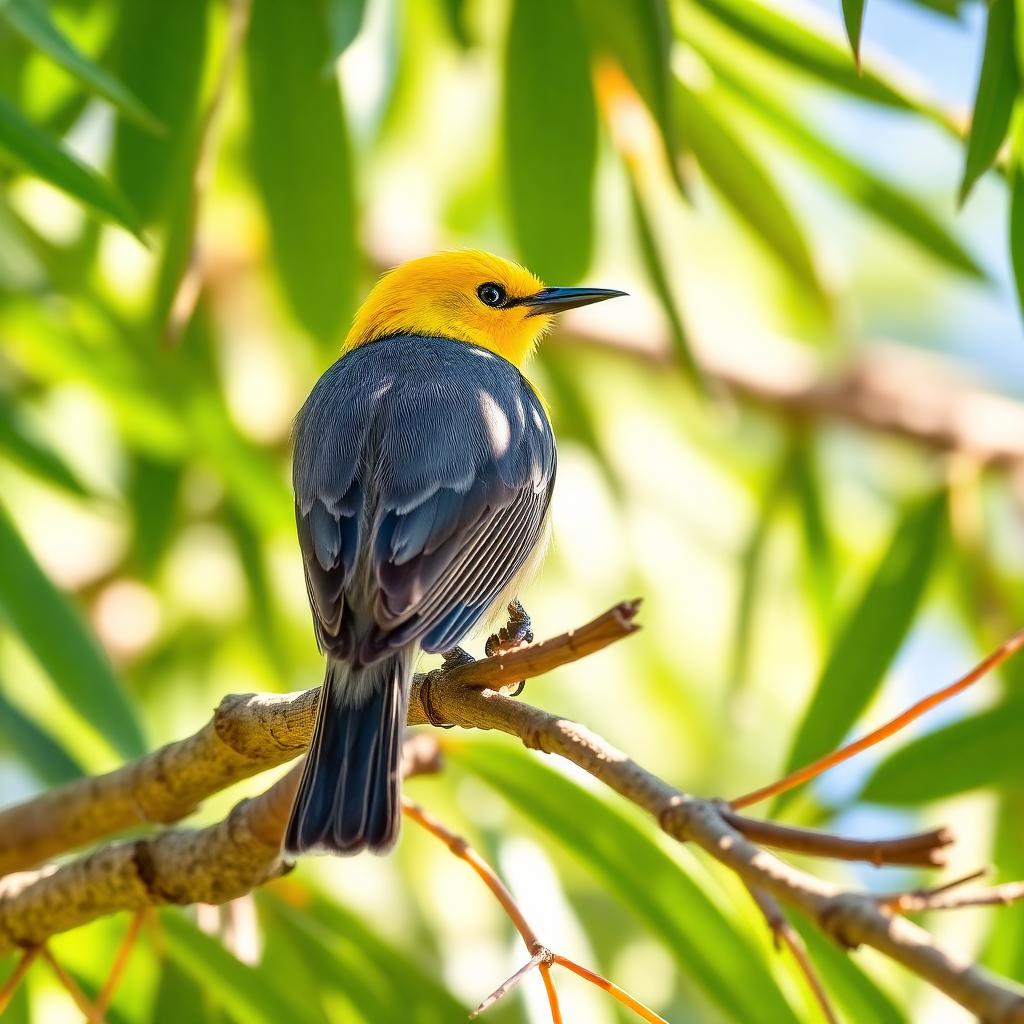
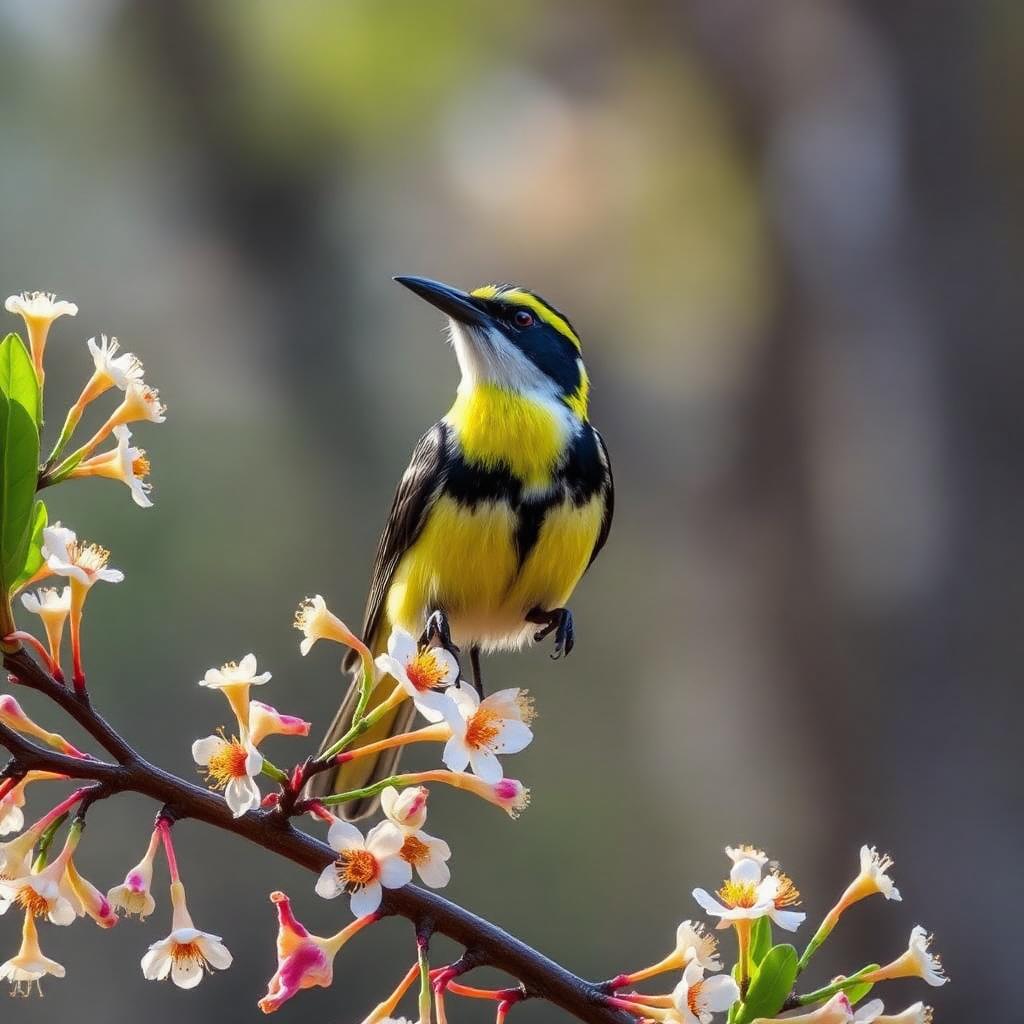
Australia's Regent Honeyeater has declined so far that young males are forgetting their own species song. Here is what field biologists are doing about it.
Reporting on rare passerine species, their song dialects, habitat requirements and the threats facing narrow-range songbirds.

Australia's Regent Honeyeater has declined so far that young males are forgetting their own species song. Here is what field biologists are doing about it.

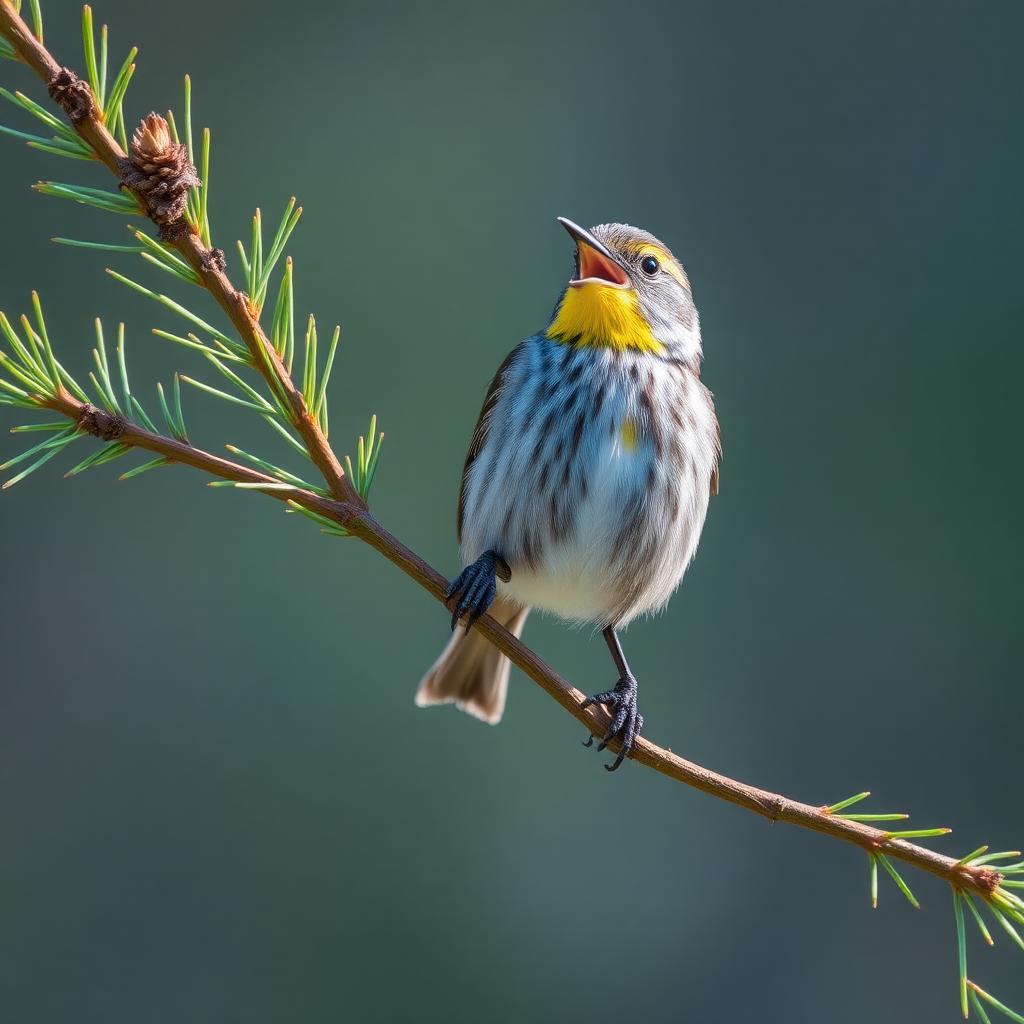
Kirtland's Warbler recovered from 167 singing males to more than 2,000 pairs by rebuilding one very specific habitat: young jack-pine forest.

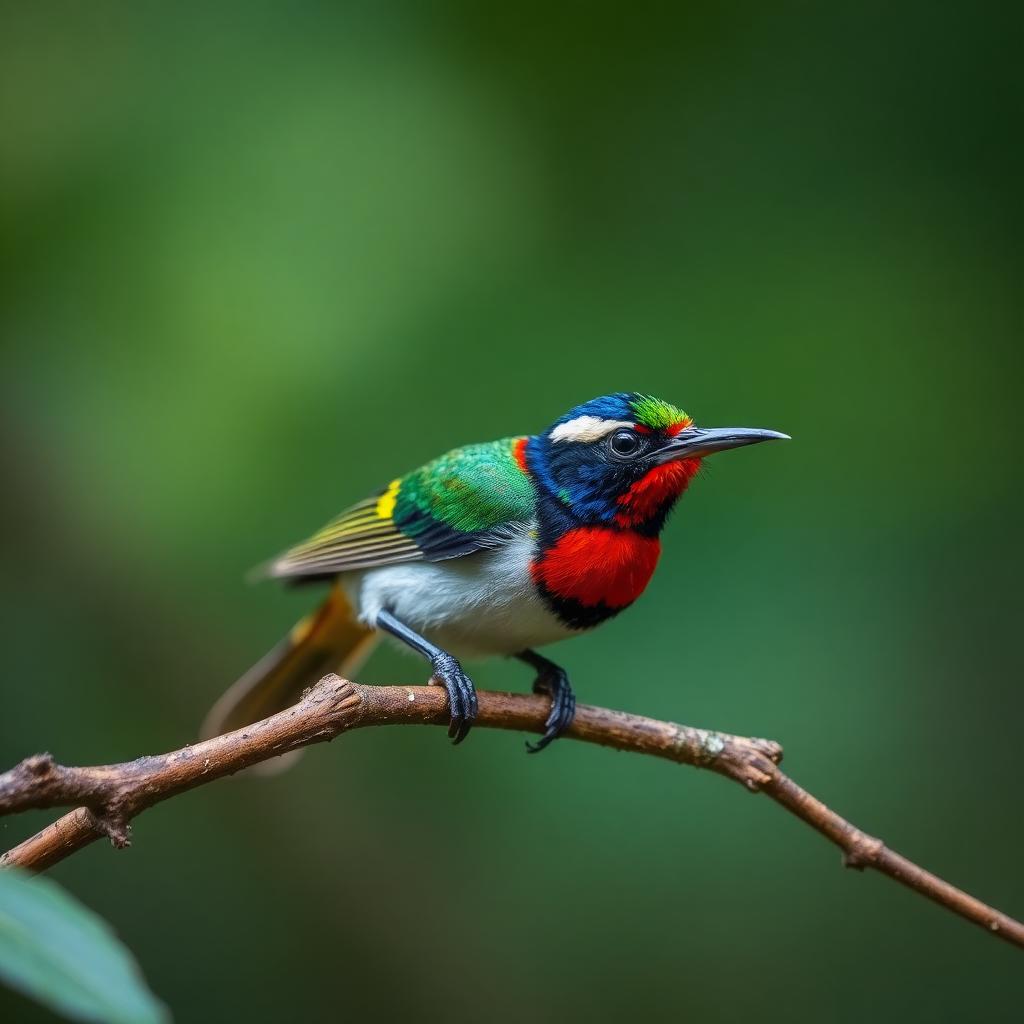
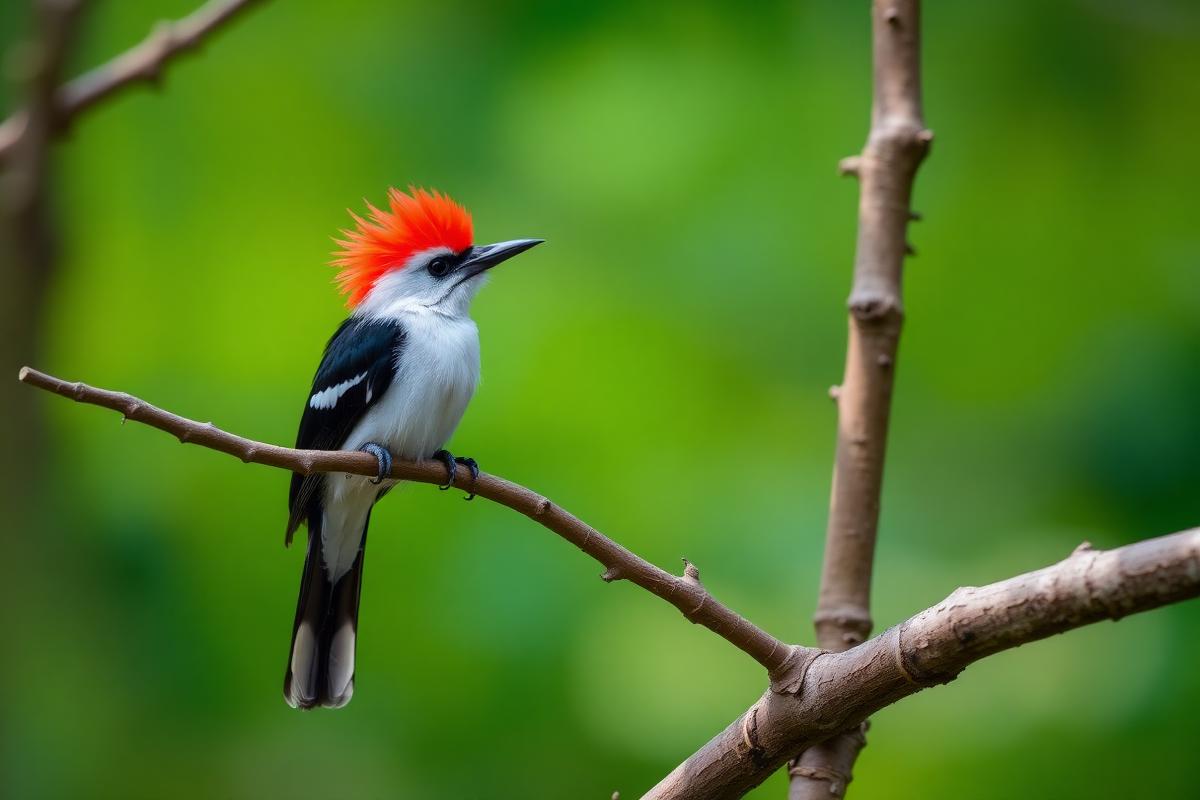
For most of the twentieth century, the Cebu Flowerpecker was considered extinct. Its rediscovery in 1992 changed how we think about small, forgotten forests.

The Palila is one of the last finch-billed Hawaiian honeycreepers. Its future is locked to a single tree species on the slopes of Mauna Kea.

The North Island Kōkako is a slow, gliding forest songbird whose long, organ-like dawn calls once defined New Zealand's mature podocarp forests.

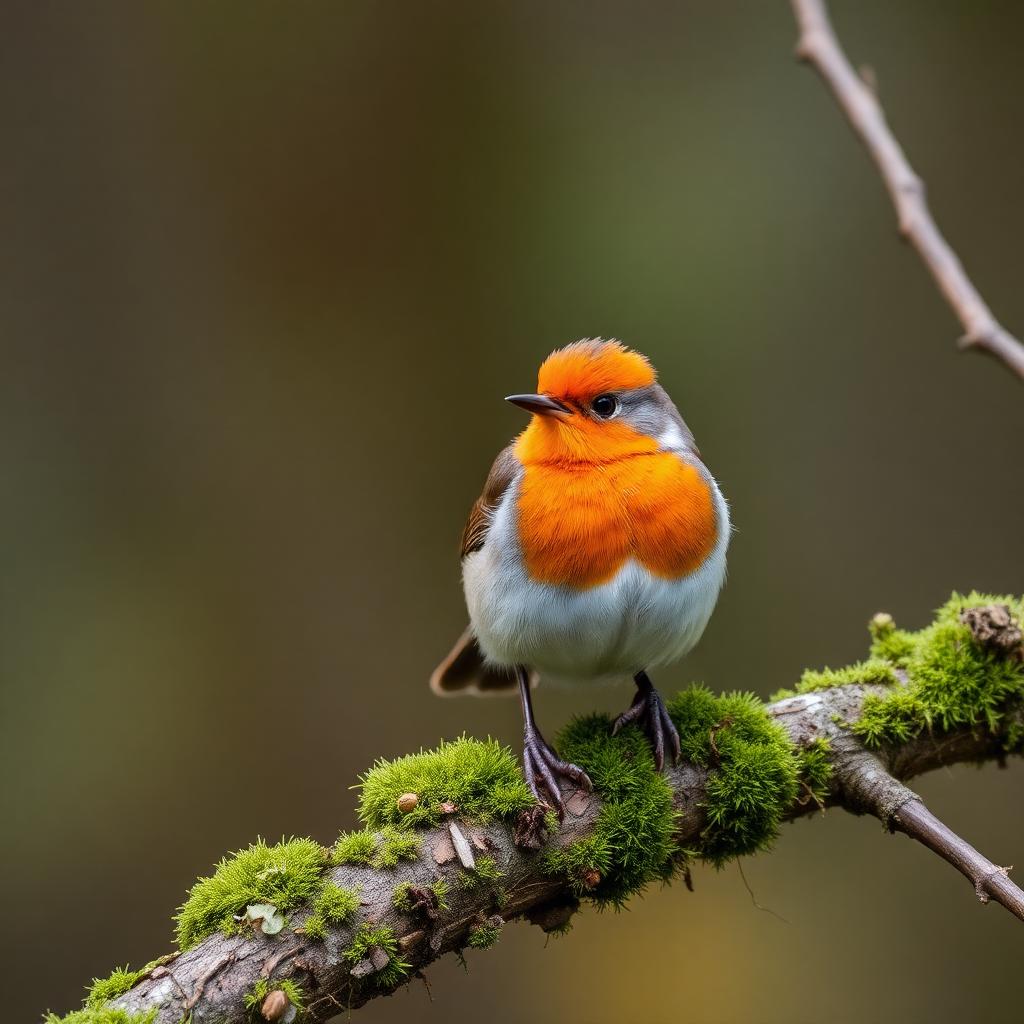
The Rufous-headed Robin nearly slipped out of the ornithological record. Its rediscovery in Sichuan opened one of Asia's most surprising songbird stories.

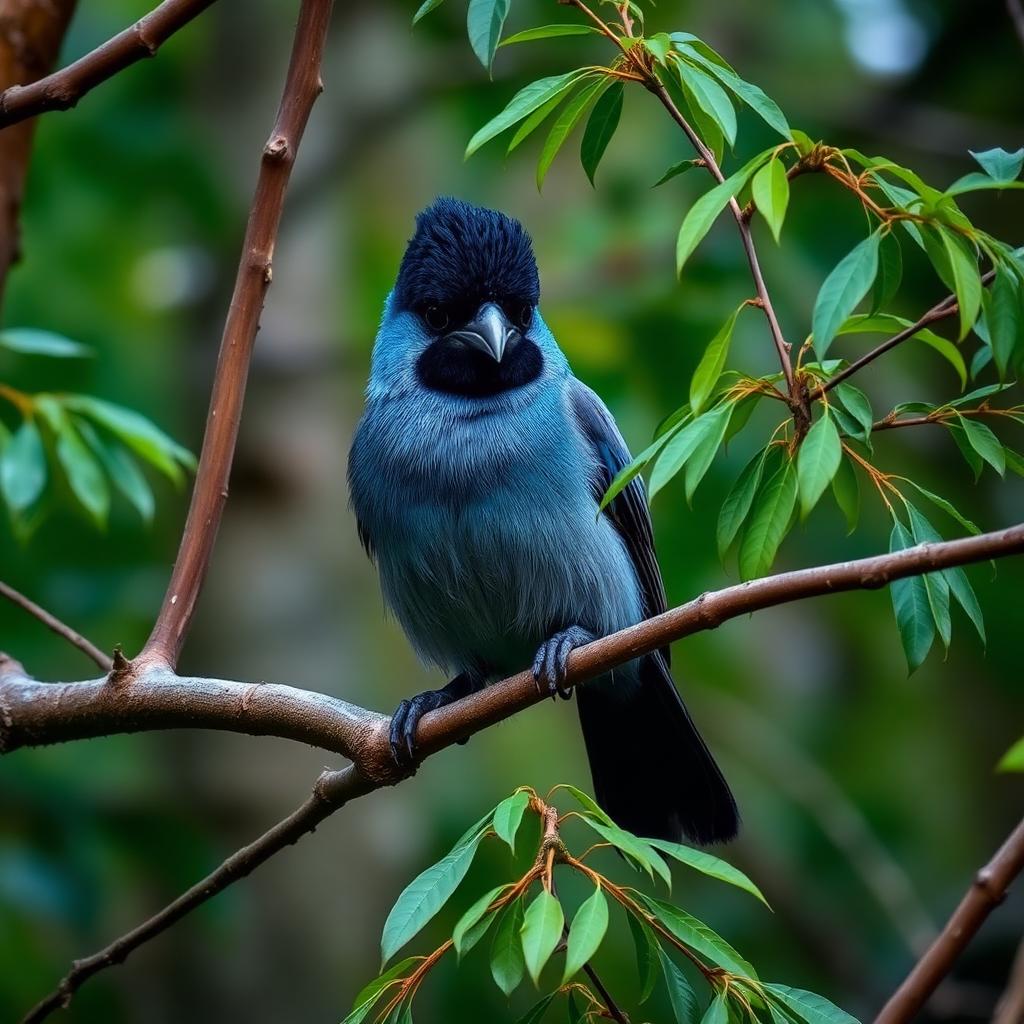
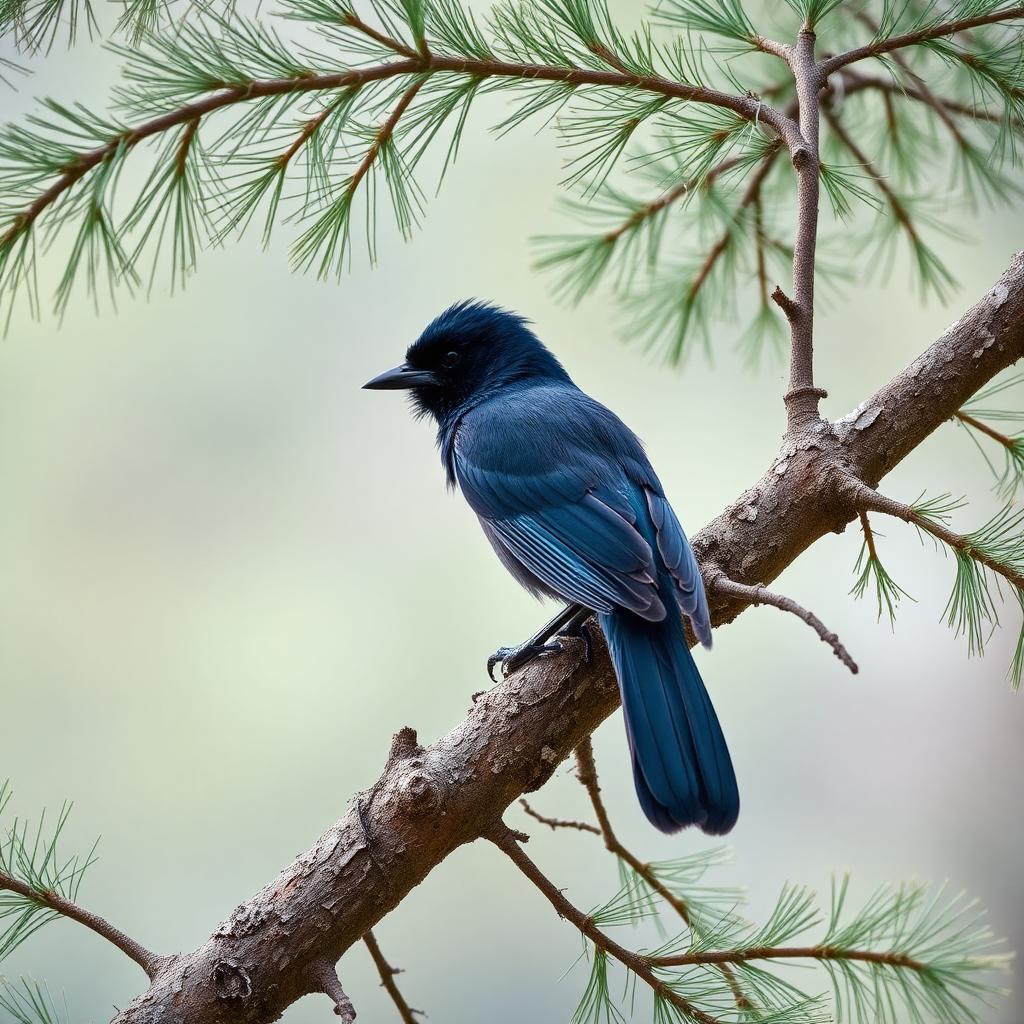
The Sichuan Jay lives quietly in the spruce and fir forests of the eastern Tibetan Plateau. It is one of the world's rarest jays.

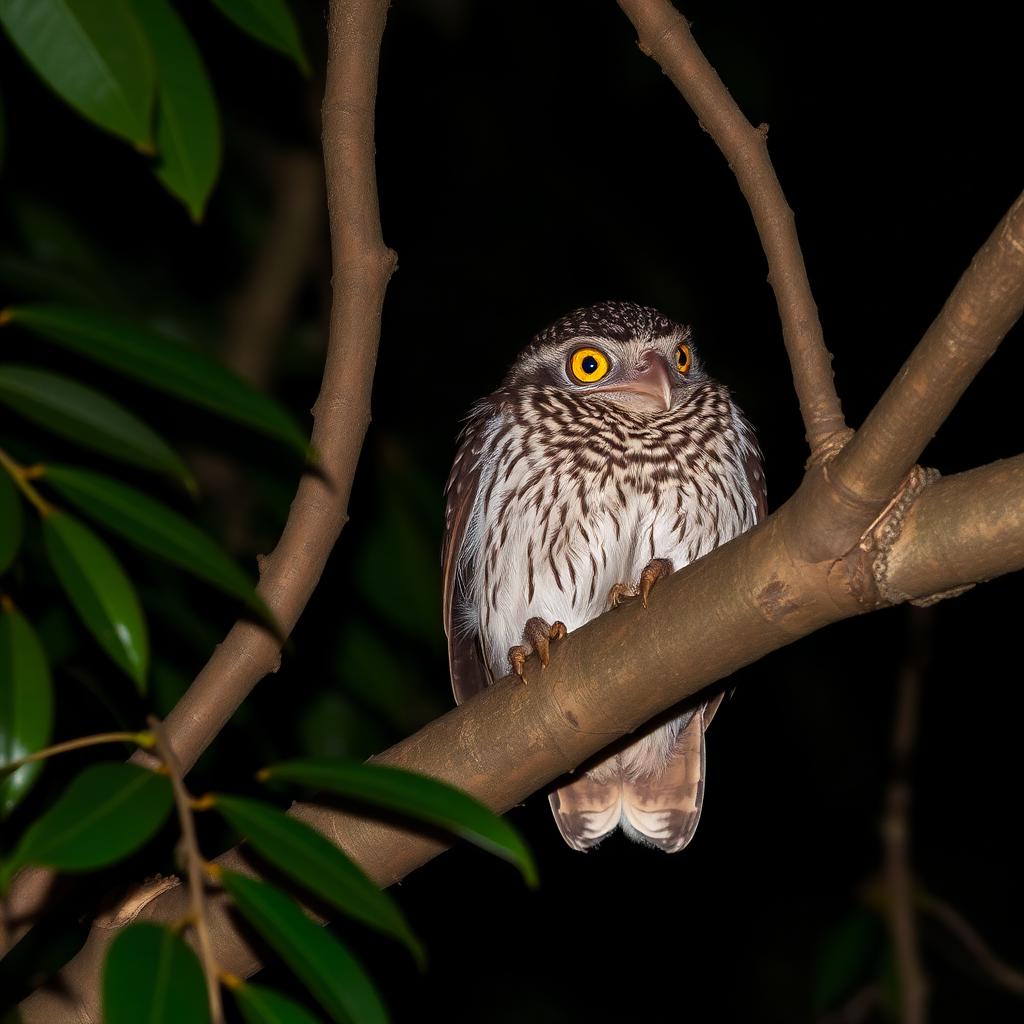
The Sri Lanka Frogmouth is a bark-coloured, wide-mouthed night bird so cryptic that most people walk within metres of one without noticing.

Discovered in 1996, the Araripe Manakin occupies barely 30 square kilometres of spring-fed forest on one Brazilian plateau. Around 800 birds remain.

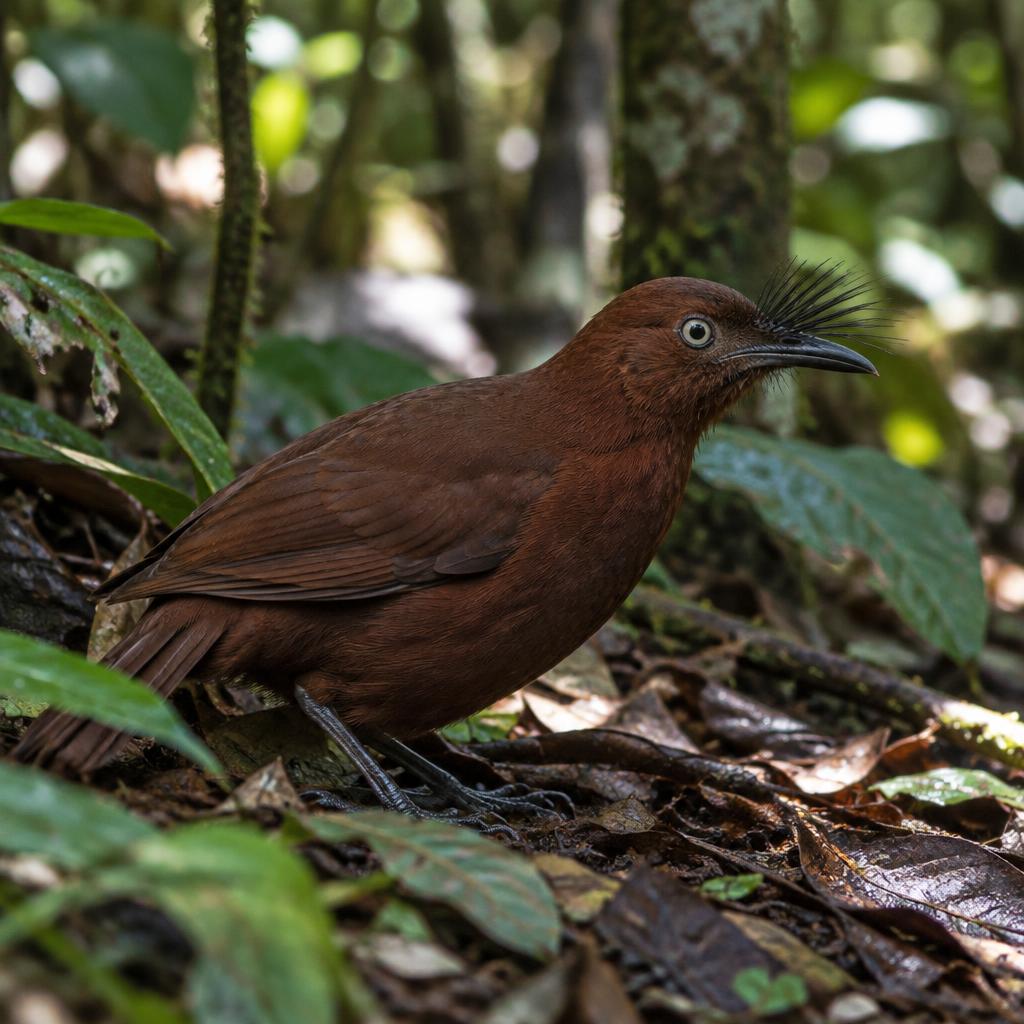
A ground-dwelling tapaculo from Brazil's Atlantic Forest has become a test of how much conservation can do when almost no birds remain.

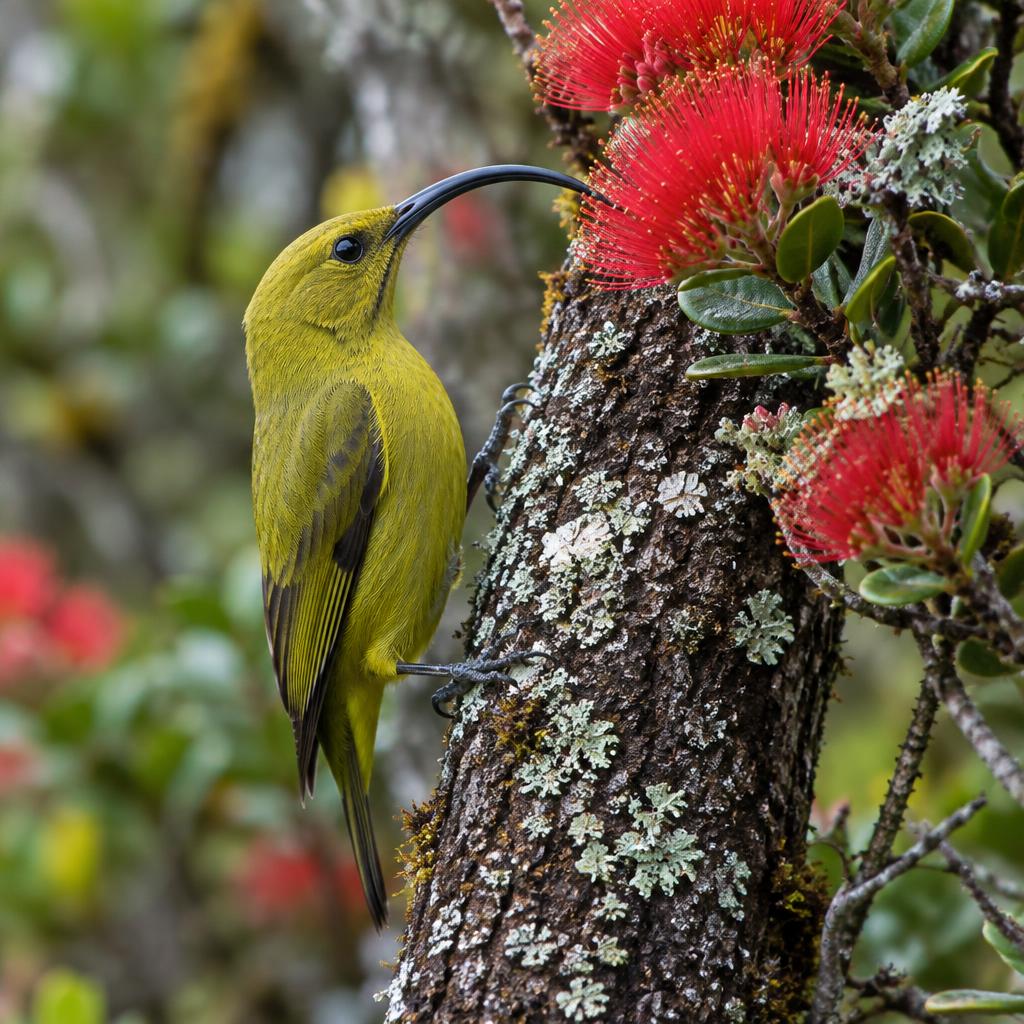
A short lower chisel and a long upper probe let this Hawaiian honeycreeper work wood in a way no other living bird quite matches.