Kirtland's Warbler: The Songbird That Needed Fire
Kirtland's Warbler recovered from 167 singing males to more than 2,000 pairs by rebuilding one very specific habitat: young jack-pine forest.
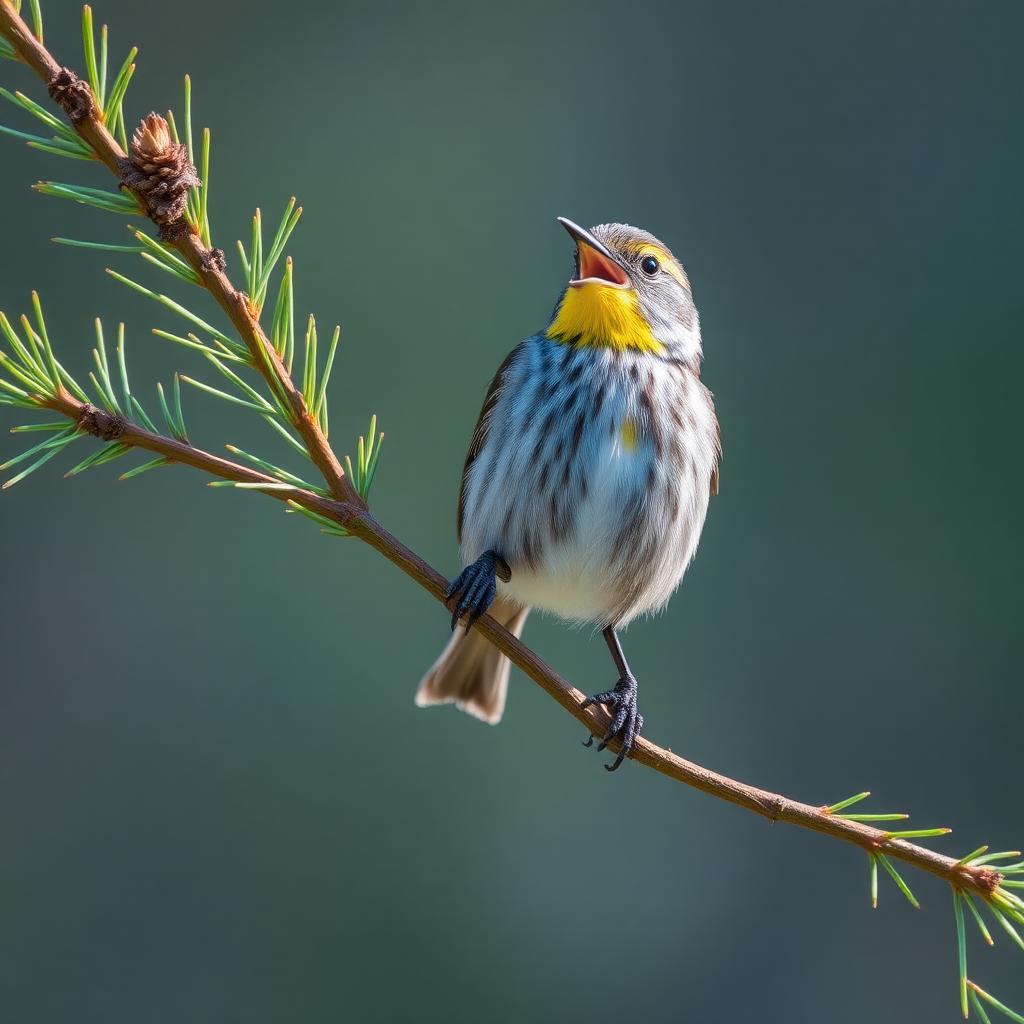
| Scientific name | Setophaga kirtlandii |
|---|---|
| Length | 14 cm |
| Breeding range | Michigan, Wisconsin, Ontario (jack pine) |
| Wintering range | The Bahamas and Turks and Caicos |
| Population | ≈ 2,300 pairs |
| IUCN status | Near Threatened (delisted from US Endangered 2019) |
A songbird tied to one tree
Kirtland's Warbler (Setophaga kirtlandii) is a small, yellow-bellied songbird with an unusually specific home. It breeds almost entirely in young jack-pine forests of northern Michigan, between about 5 and 20 years old — no younger, no older.
By 1974, only 167 singing males remained. Fifty years later, the population is above 2,300 pairs and the species has been formally delisted from the US Endangered Species Act. The story of how that happened is one of the most instructive recoveries in North American conservation.
Why young jack pine
Jack pines (Pinus banksiana) have serotinous cones that open only after fire. Historically, lightning fires swept across Michigan's sandy outwash plains every few decades, creating waves of dense, young jack-pine stands. Kirtland's Warbler evolved to nest on the ground in exactly this brief successional window.
When fire suppression became US federal policy in the twentieth century, mature jack-pine stands stopped burning. Young pine grew back only rarely, and the warbler's habitat effectively disappeared.
The Brown-headed Cowbird problem
As settlers cleared forests across the Midwest, Brown-headed Cowbirds — brood parasites that lay their eggs in other birds' nests — expanded dramatically. Kirtland's Warbler had no defence: a cowbird chick in a warbler nest would typically outcompete all the warbler chicks.
By the 1960s, cowbird parasitism affected more than 60% of Kirtland's Warbler nests. Combined with habitat collapse, this drove the species to the edge.
Two interventions, one recovery
The US Forest Service and Michigan DNR began actively managing jack-pine on a rotational cycle in the 1970s: prescribed burns and clear-cutting followed by replanting, creating a rolling supply of 5–20-year-old stands.
At the same time, a cowbird trapping programme removed tens of thousands of parasitic cowbirds each year from the warbler's breeding range. Parasitism rates fell below 5%. Combined with habitat management, this doubled and then tripled the population over two decades.
The Bahamas half of the story
Kirtland's Warbler winters almost entirely in The Bahamas and Turks and Caicos, where it feeds in low coppice scrub. This wintering habitat is under pressure from development, and climate models predict that intensifying hurricanes could damage large fractions of it in a single season.
Conservation groups such as the Bahamas National Trust are now working to protect wintering-ground scrub as the next essential step for the species.
A working model for recovery
Kirtland's Warbler is one of the clearest demonstrations that long-term recovery is possible when the limiting factors are correctly diagnosed and addressed together. Habitat, brood parasitism and wintering-ground protection form one continuous chain — and the species is still here because managers finally treated it as such.
Key takeaways
- Kirtland's Warbler breeds only in 5–20-year-old jack-pine forest.
- The population fell to 167 singing males in 1974.
- Recovery came from prescribed fire, jack-pine planting, and cowbird control.
- It was delisted from the US Endangered Species Act in 2019.
Frequently asked questions
Where does Kirtland's Warbler breed?
Almost entirely in northern Lower Michigan, with small populations in the Upper Peninsula, Wisconsin and Ontario, all in young jack-pine forest.
Where does it winter?
It winters in The Bahamas and Turks and Caicos, in low coppice scrub.
Why did it need fire to survive?
Its jack-pine breeding habitat regenerates only after fire, because jack-pine cones open when heated. Fire suppression eliminated the young stands the warbler requires.
Is it still endangered?
It was delisted from the US Endangered Species Act in 2019, but is still classified Near Threatened globally and depends on active management to persist.
Can I see one in the wild?
Yes. Guided tours run each June from the Hartwick Pines area and Mio in Michigan, with permission required for jack-pine breeding areas.
References
Related reading
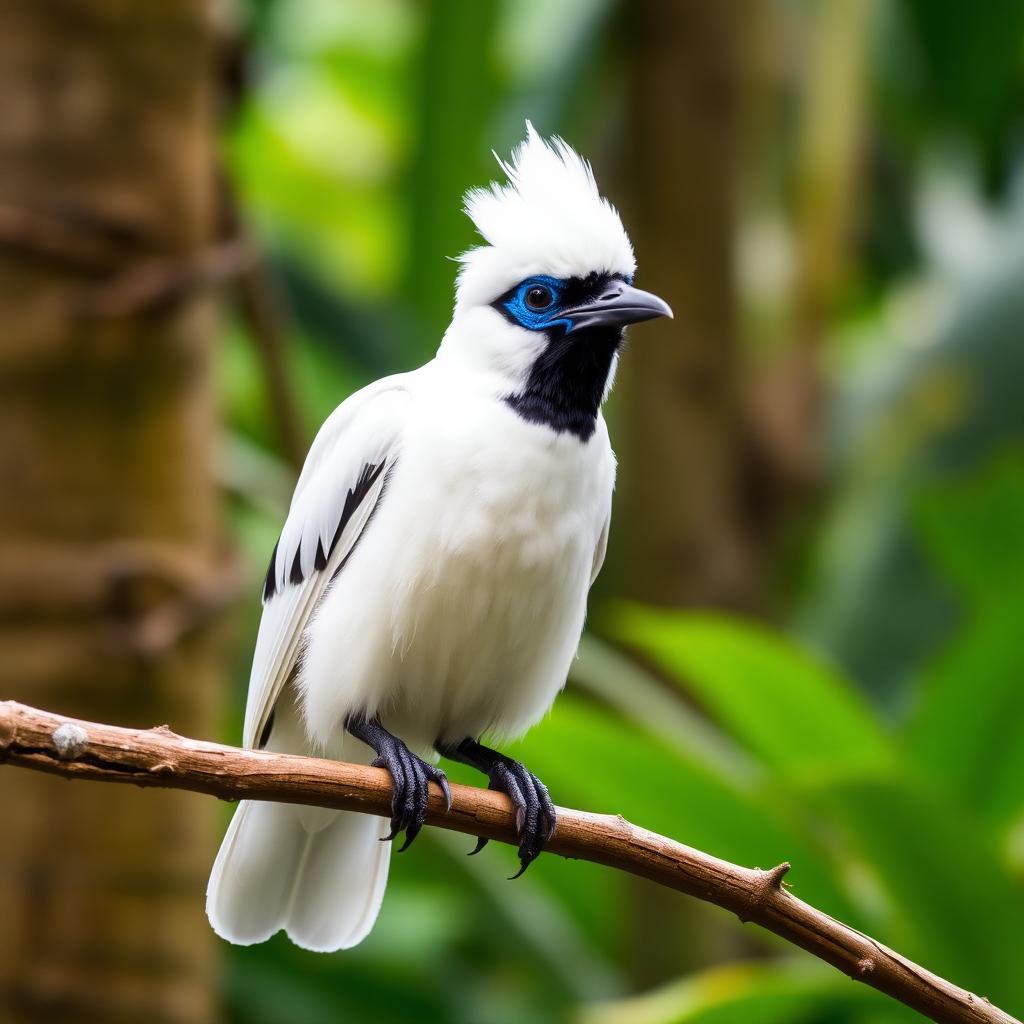
Bali Myna: Saving Indonesia's Whitest Songbird
The Bali Myna is arguably the most trafficked songbird in Southeast Asia. Its snow-white plumage and status as Bali's provincial bird made it a target — and its slow return is now a case study in island reintroduction.
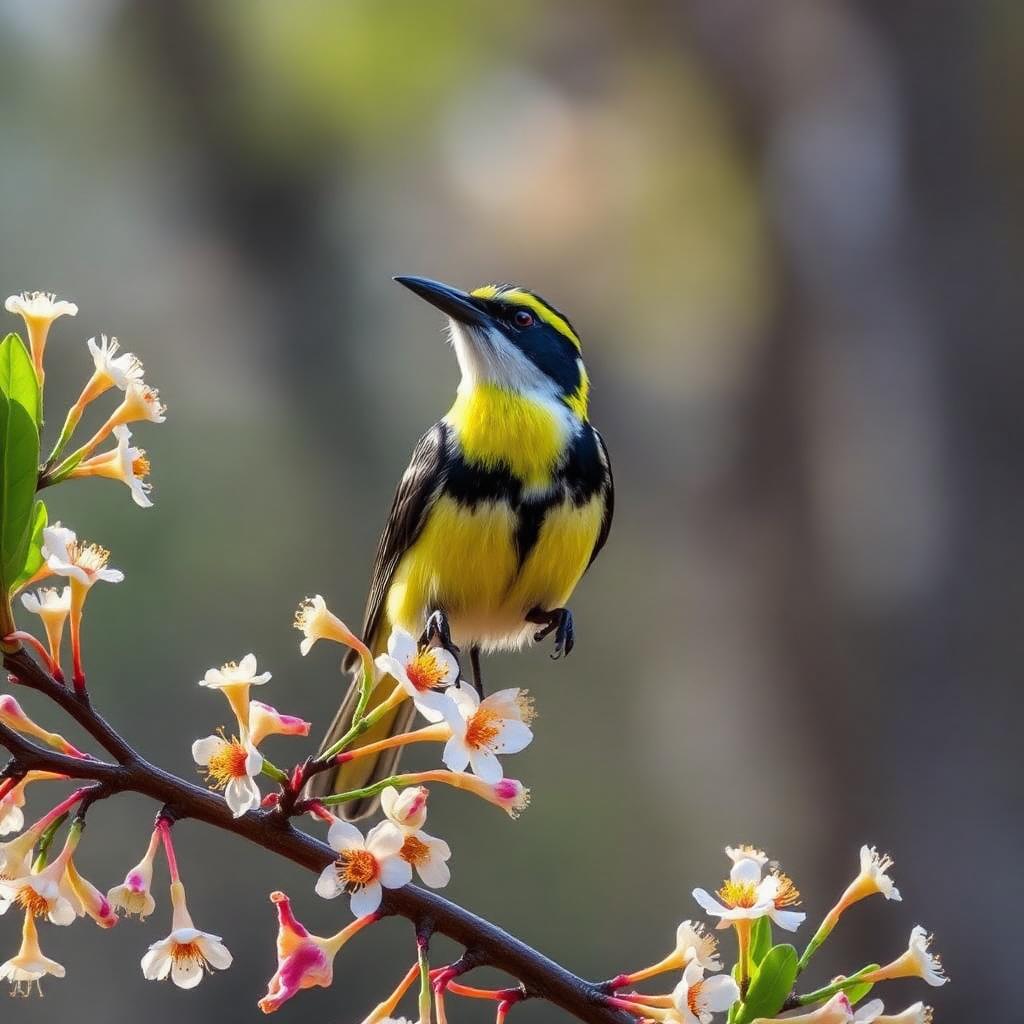
Regent Honeyeater: Australia's Song-Losing Songbird
Australia's Regent Honeyeater has declined so far that young males are forgetting their own species song. Here is what field biologists are doing about it.