The Shoebill Stork: Africa's Prehistoric Wetland Hunter
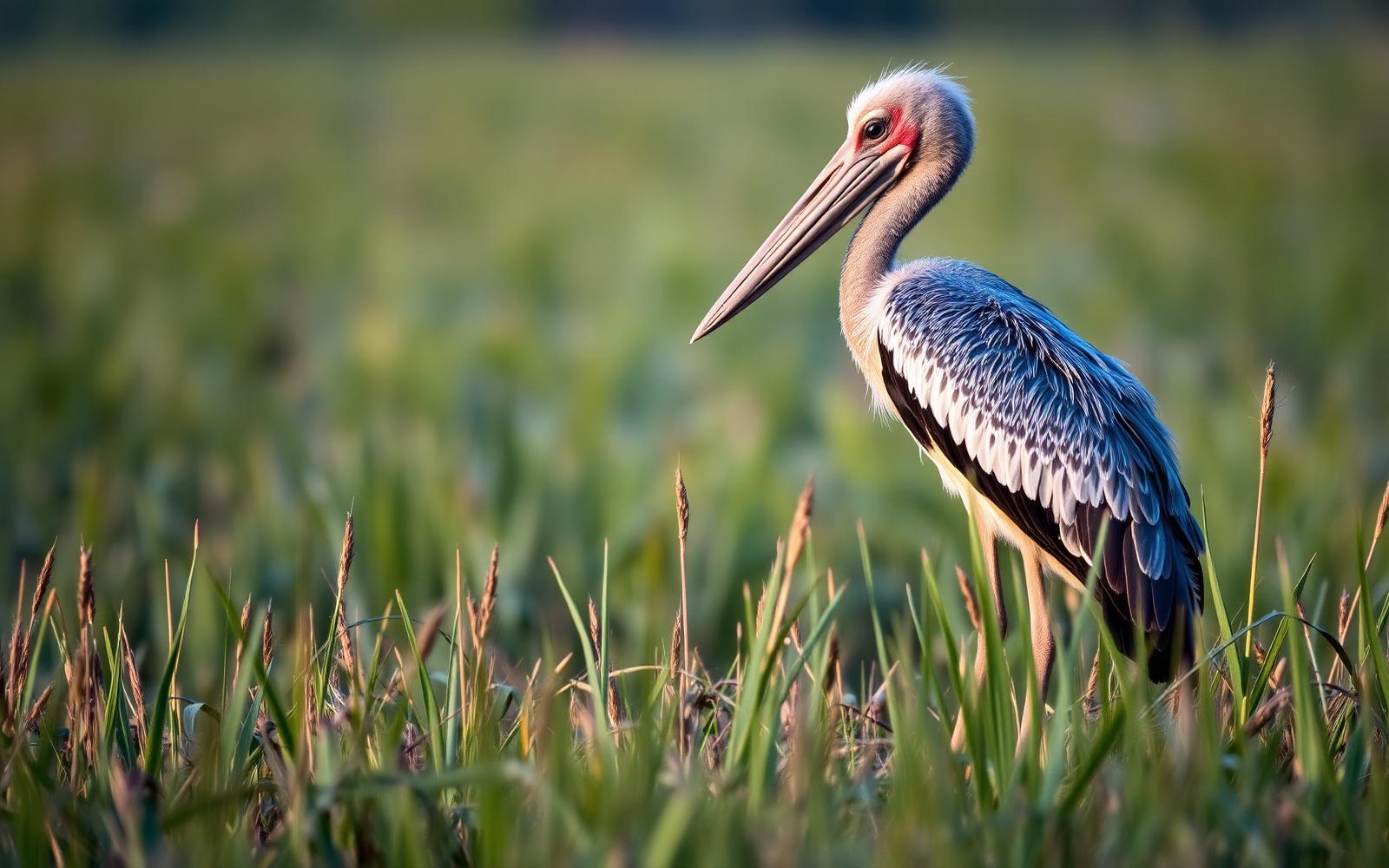
With a bill shaped like a wooden clog and the patience of a heron, the Shoebill has become the most requested bird in African birding tourism. Here is the biology behind the icon.
Coverage of rare pelagic seabirds and endangered waterfowl — with a focus on breeding-island conservation and long-distance tracking.

With a bill shaped like a wooden clog and the patience of a heron, the Shoebill has become the most requested bird in African birding tourism. Here is the biology behind the icon.

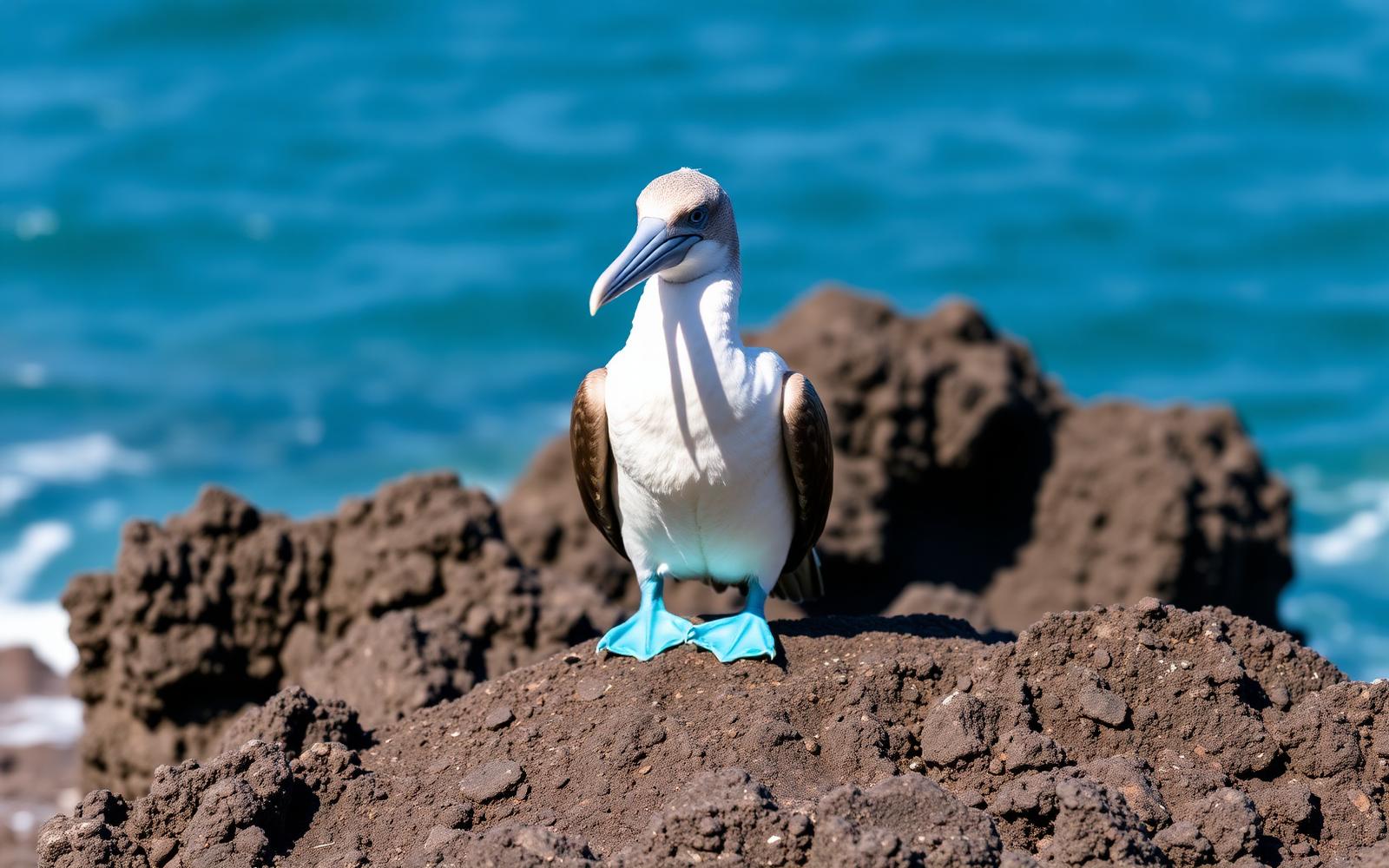
The Blue-footed Booby's feet are not just decorative. Their exact shade of blue is a live readout of the bird's diet and current health.

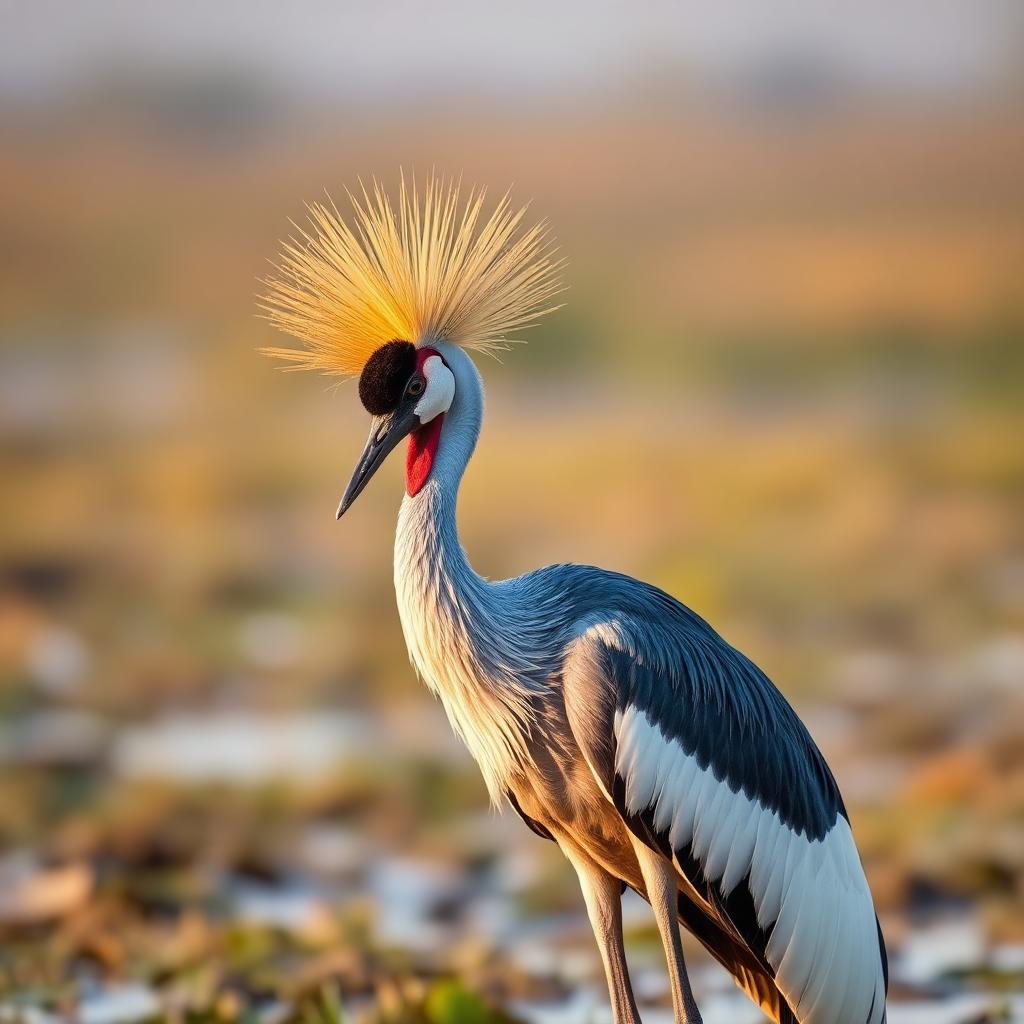
With its glowing straw-coloured crown and pale blue eyes, the Grey Crowned Crane is one of Africa's most recognisable birds — and one of its most rapidly declining wetland species.

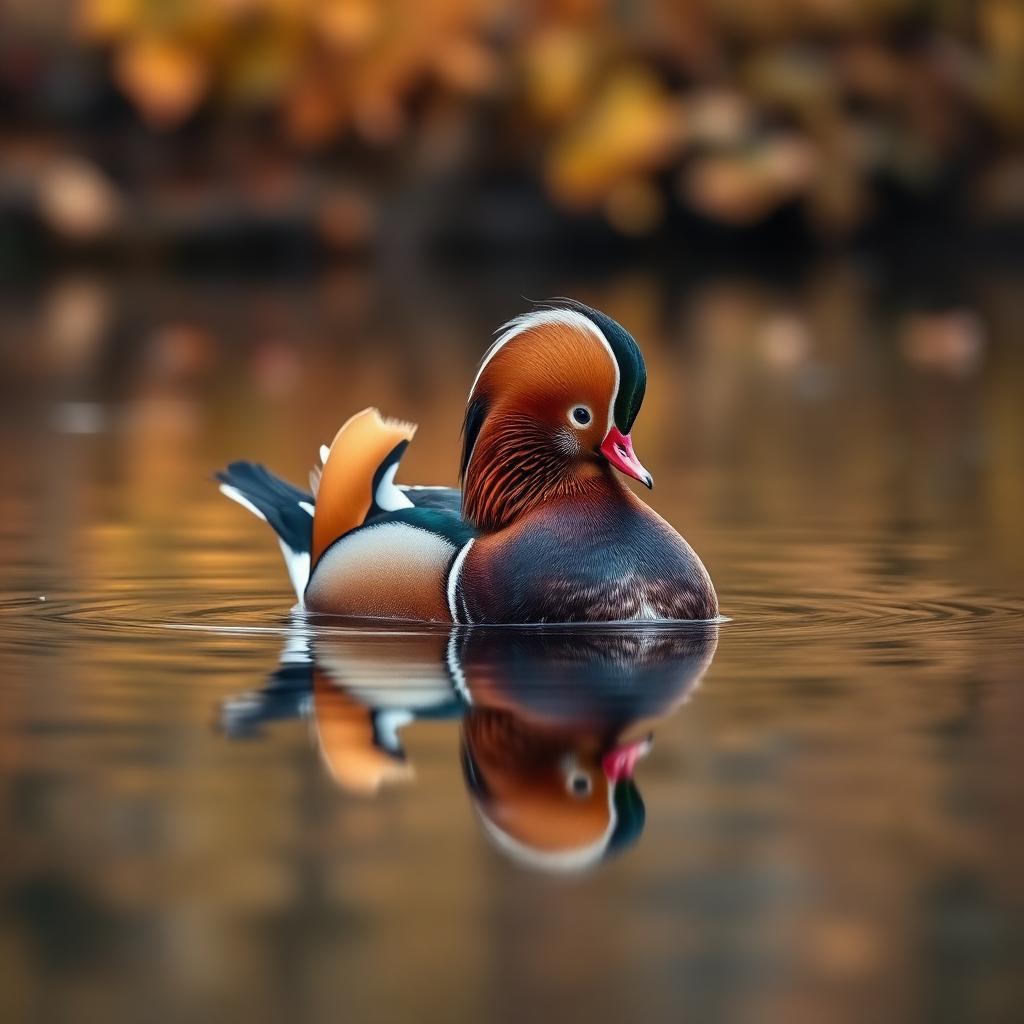
The male Mandarin Duck is arguably the most extravagantly patterned waterfowl on Earth — a walking colour chart that has fascinated painters, poets and biologists for a thousand years.

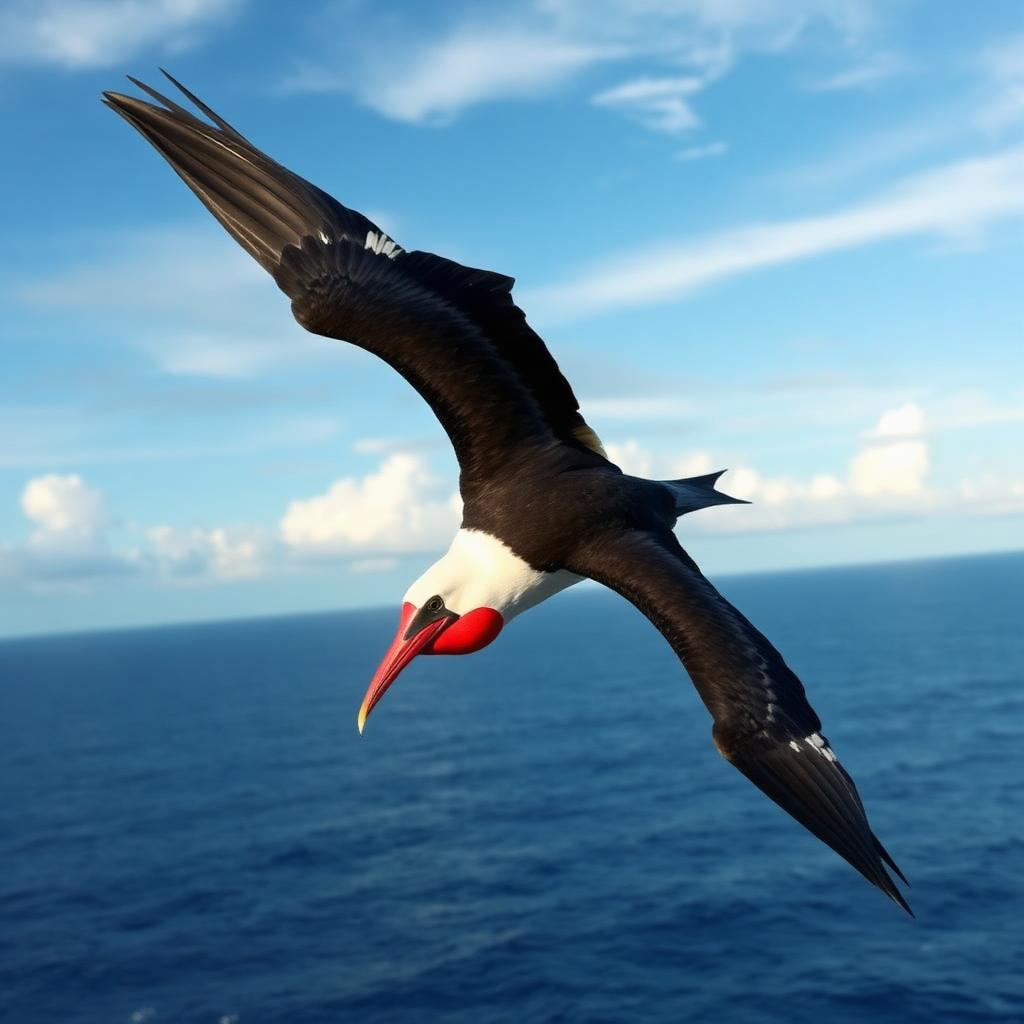
The Christmas Frigatebird breeds on a single island. Every one of the world's roughly 2,400 adults nests within a few square kilometres of Indian Ocean rainforest.

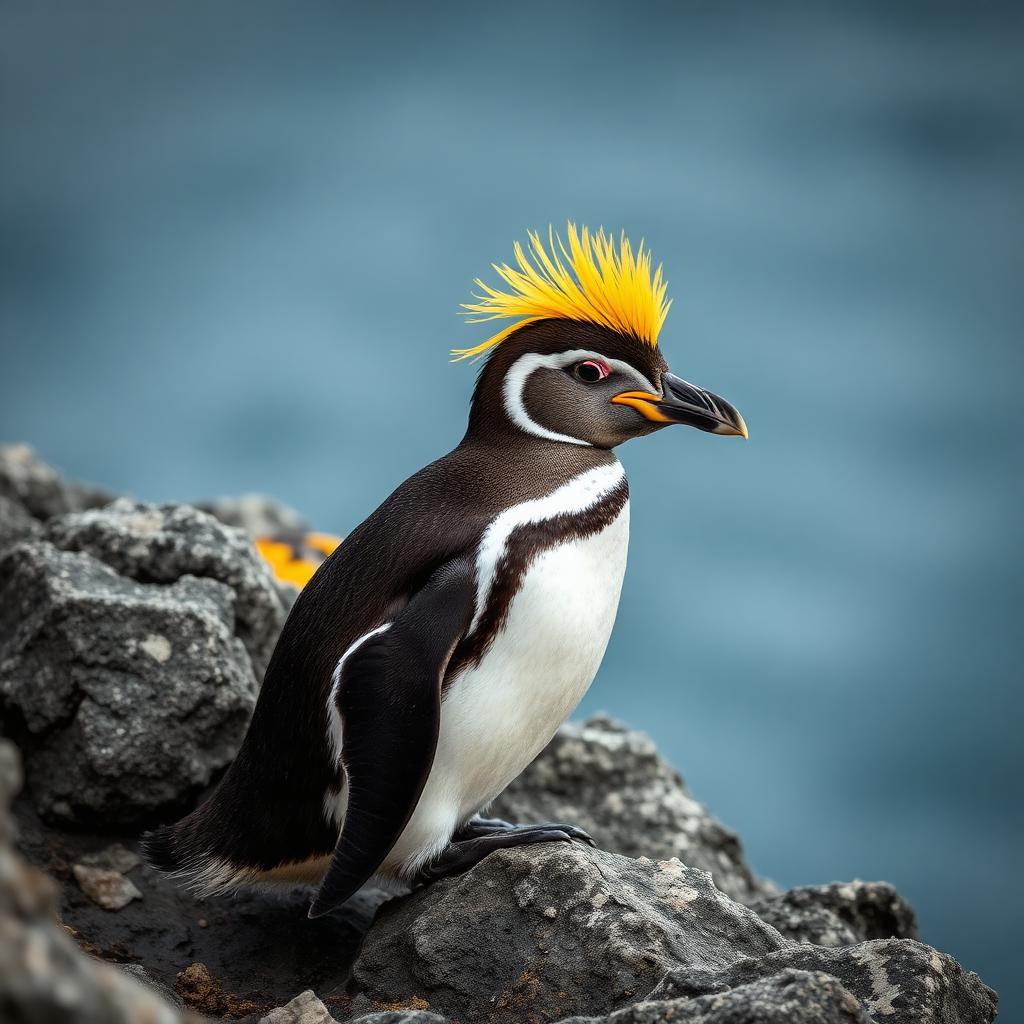
The Northern Rockhopper Penguin has lost around 90% of its population in seventy years. Here is what is happening on the remote islands where it still breeds.

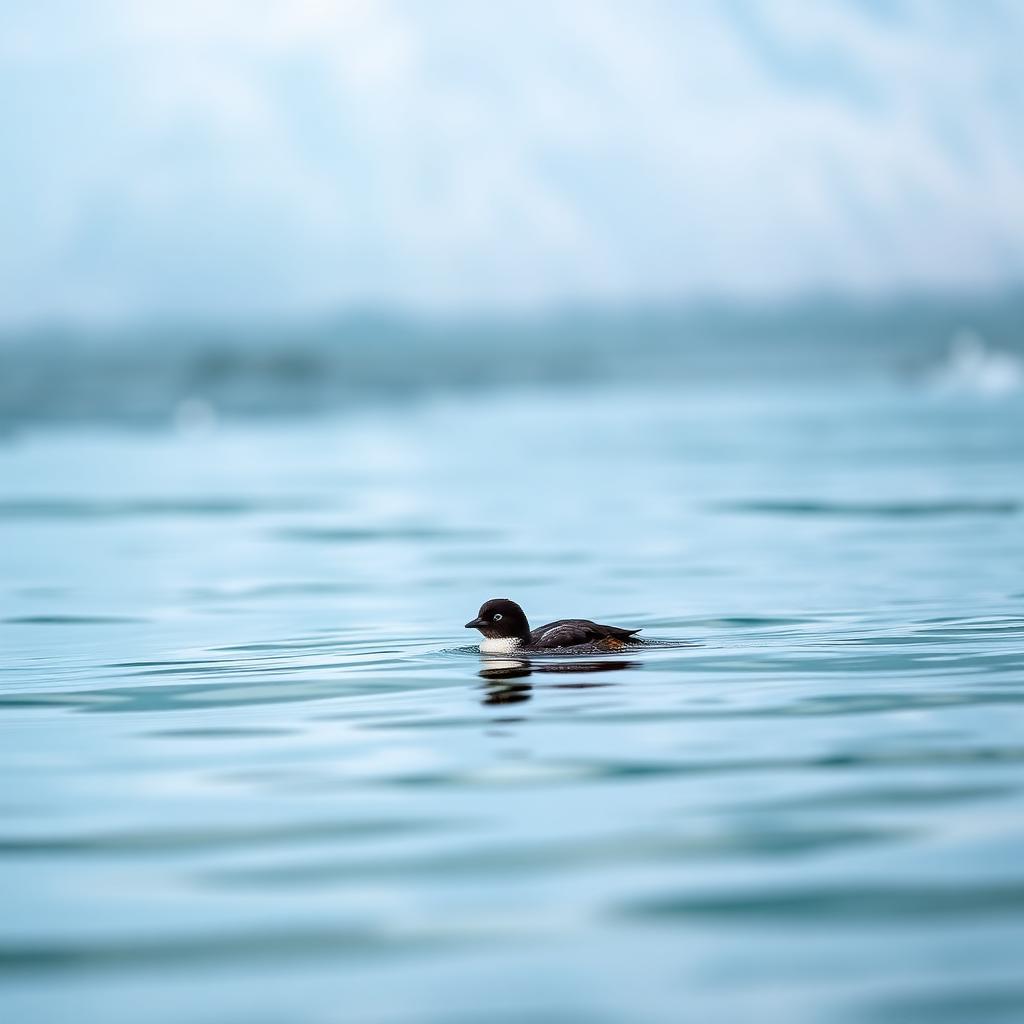
Kittlitz's Murrelet is one of the few birds whose fate is directly tied to glaciers. As the ice retreats, so does its habitat.

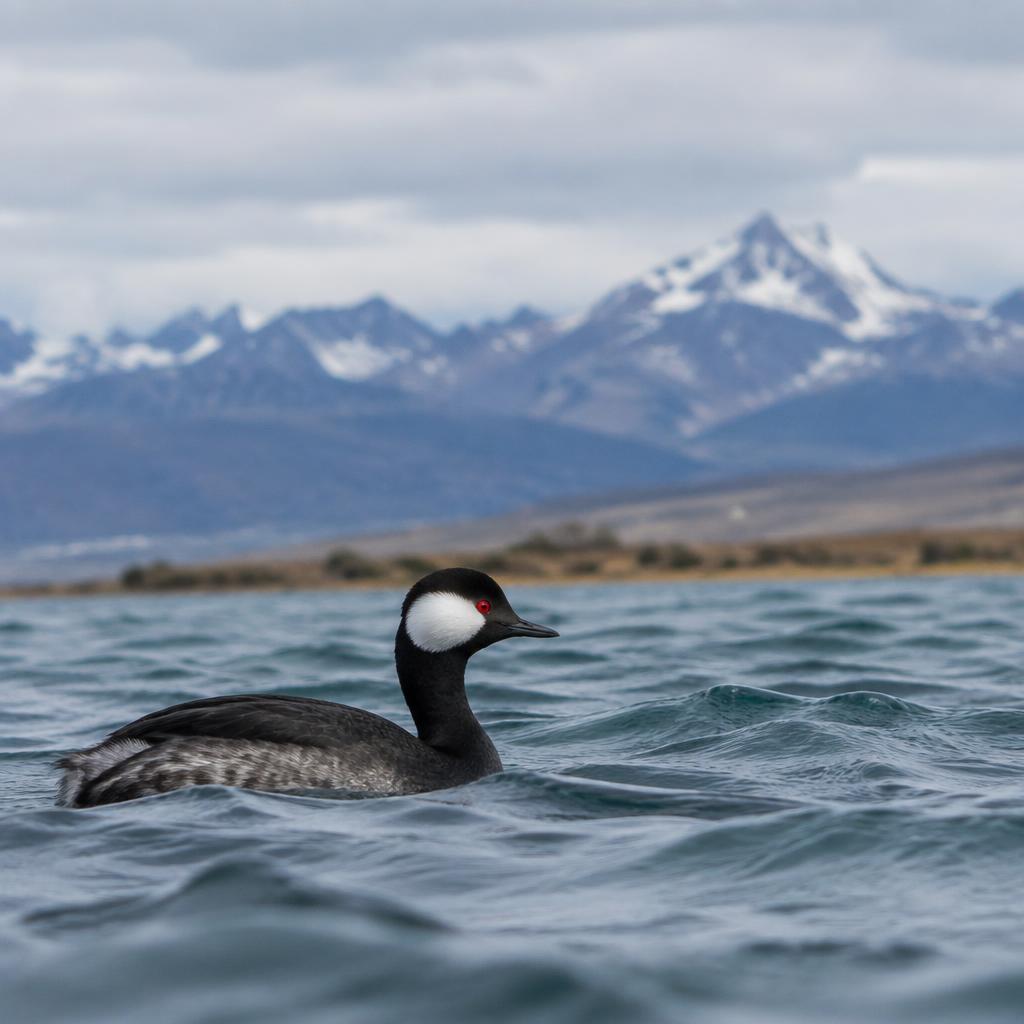
On the wind-scoured plateaus of Santa Cruz, colony guardians work to keep a striking grebe from vanishing from the lakes where it breeds.

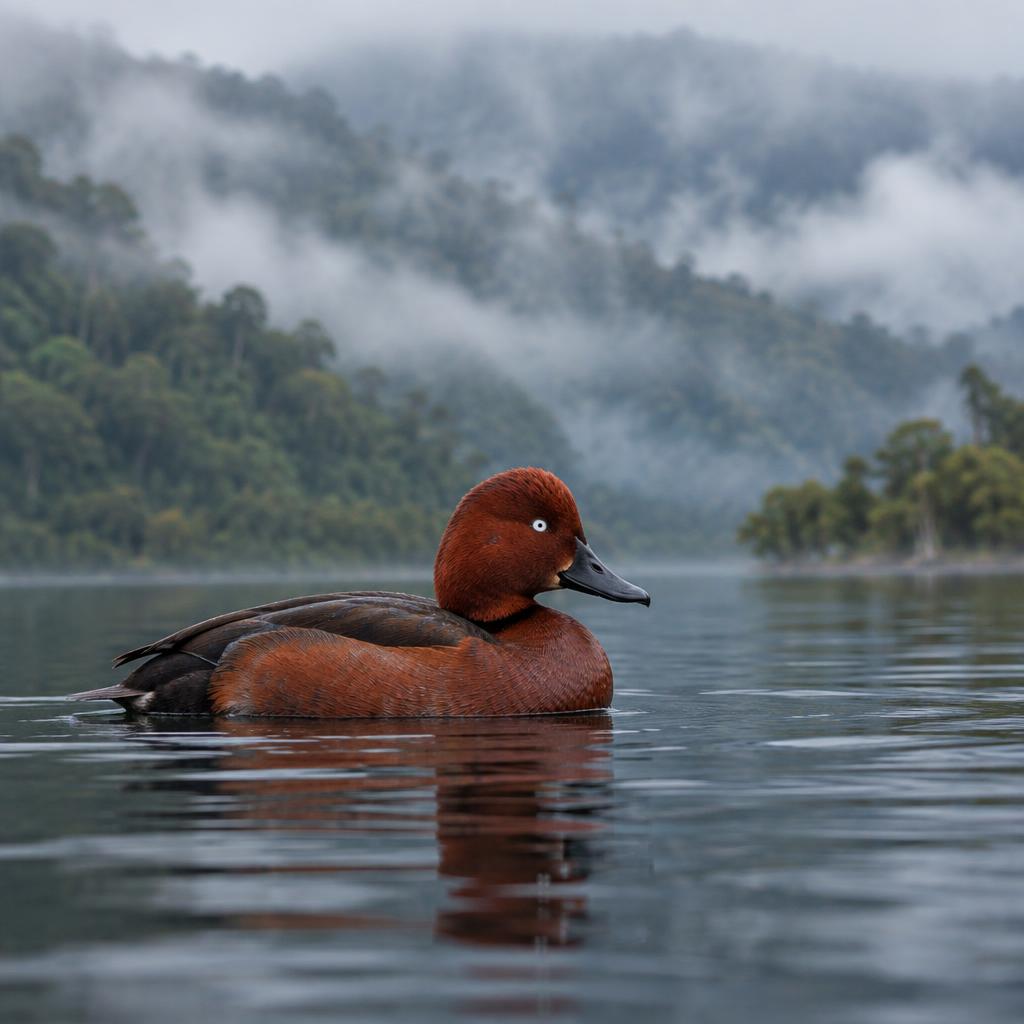
A duck found alive after years without a confirmed sighting needs more than a safe lake: it needs a wetland where its young can feed.

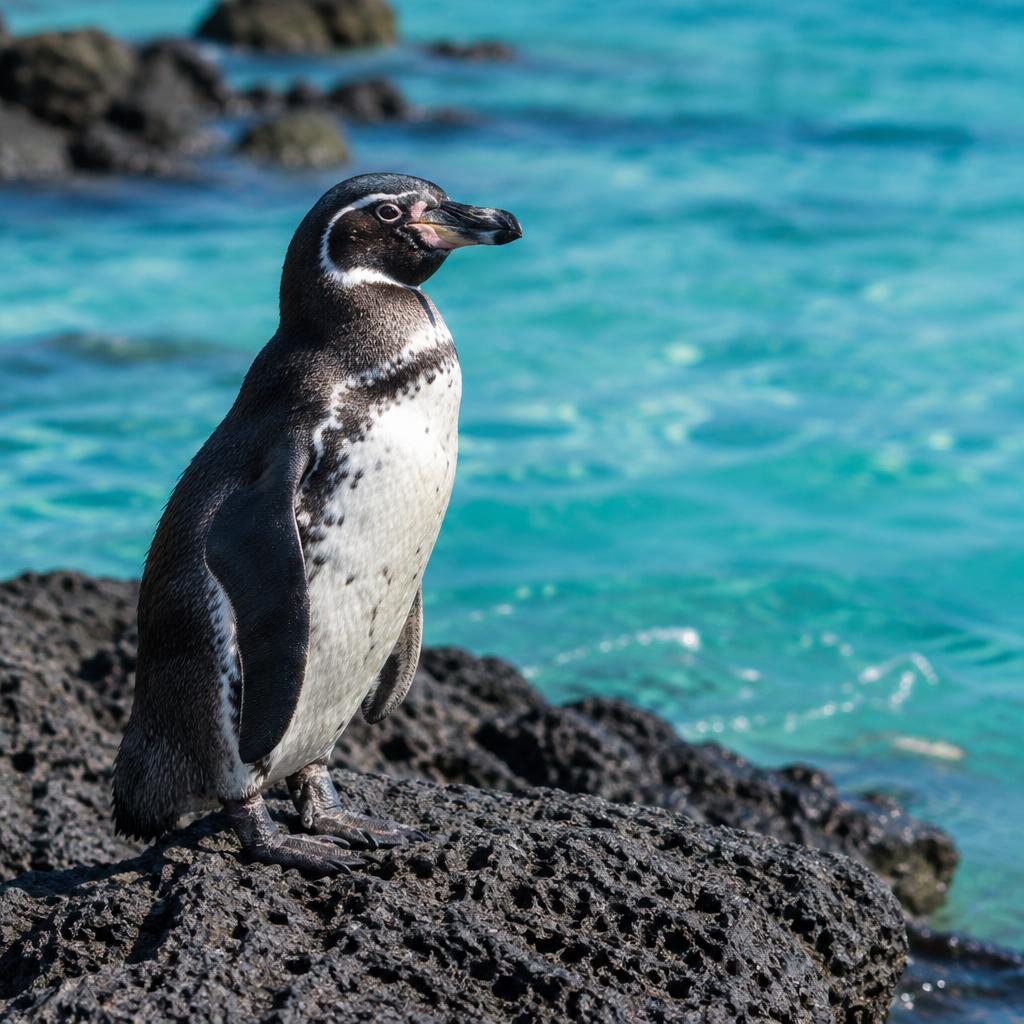
Cold water, shaded lava cracks, and flexible breeding keep this small equatorial penguin alive in a place that often turns hostile.