The Shoebill Stork: Africa's Prehistoric Wetland Hunter
With a bill shaped like a wooden clog and the patience of a heron, the Shoebill has become the most requested bird in African birding tourism. Here is the biology behind the icon.
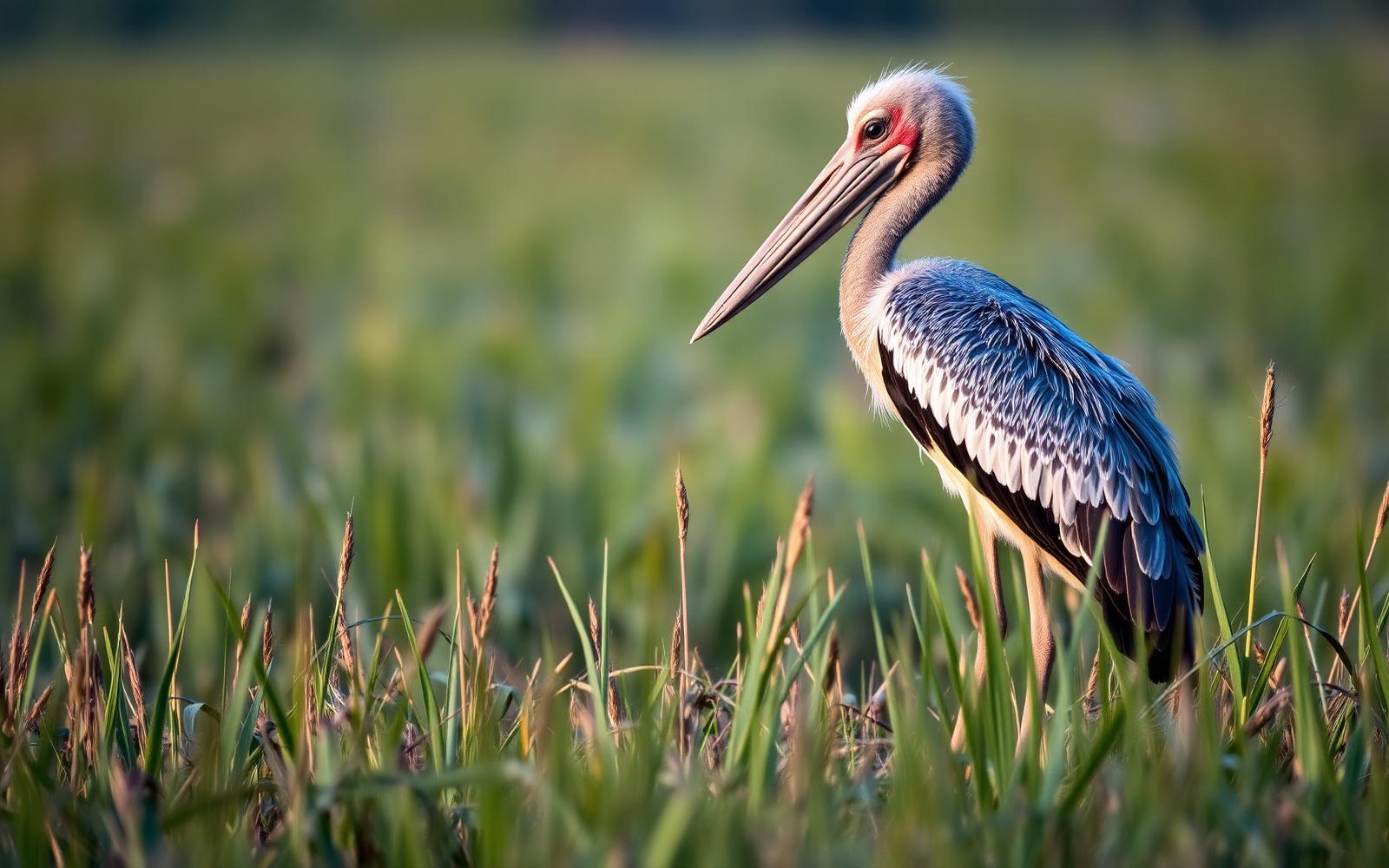
| Scientific name | Balaeniceps rex |
|---|---|
| Family | Balaenicipitidae (monotypic) |
| Height | 110 – 140 cm |
| Wingspan | 230 – 260 cm |
| Range | South Sudan, Uganda, Zambia, DRC, Rwanda |
| Population | 3,300 – 5,300 mature individuals |
| IUCN status | Vulnerable |
| Primary prey | Lungfish, catfish, water snakes |
A bird that looks older than it is
The Shoebill (Balaeniceps rex) is a solitary, silent giant of Central and East African swamps. Standing up to 140 cm tall, with a bill wider than most people's hand, it is often described as prehistoric — and while that is more marketing than taxonomy, the impression is honest. There is nothing else quite like it.
Yet the Shoebill stork is not a stork in the traditional sense. Genetic work over the past two decades places Balaeniceps closer to pelicans than to the true storks (Ciconiidae). It is the only living species in its family. When you stand across a papyrus channel from one, you are looking at an entire evolutionary lineage.
Where the Shoebill actually lives
The Shoebill is a strict specialist of freshwater papyrus and reed swamps, with a strong preference for shallow, poorly oxygenated water. That last detail matters: low-oxygen swamps force lungfish to the surface to breathe, and lungfish are the Shoebill's calorie bank.
The best-known strongholds are Uganda's Mabamba Bay, the Bangweulu Wetlands of Zambia, the Sudd of South Sudan, and river deltas in Rwanda and the Democratic Republic of Congo. Population is patchy — a single wetland may hold a handful of pairs across hundreds of square kilometres.
How a Shoebill hunts
A hunting Shoebill stands motionless for 20 to 30 minutes at a time. When a lungfish surfaces, the bird collapses forward in a single explosive strike — a movement biologists call 'the collapse' — driving its bill into water and prey together. The bill's sharp edges and terminal hook make escape rare.
Prey is often filtered through the bill to expel water and vegetation before swallowing. Adults typically make between 2 and 5 successful strikes per day. This low hunting rate is a large part of why the species needs such vast, undisturbed swampland to survive.
Breeding, chicks and siblicide
Shoebills nest on floating platforms of trampled vegetation. Clutches are usually two eggs, but only one chick almost ever survives — the older chick actively out-competes and often kills the younger. Parents rarely intervene.
This 'insurance chick' strategy is common in raptors and some seabirds, but for a Vulnerable species it makes captive-rescue programmes valuable. In parts of Uganda, second chicks are collected under permit, hand-raised, and released, adding measurable numbers to local populations.
Threats and what is being done
Wetland drainage for agriculture is the single largest threat to Shoebill populations, followed by nest disturbance, targeted egg collection, and the live-bird trade. Climate change is a growing pressure: shifting rainfall patterns can dry seasonal swamps that Shoebills depend on for lungfish access.
The most successful conservation model to date pairs local guiding co-operatives with strict boat-distance rules. In Mabamba, guides earn more from a well-behaved Shoebill visit than a nest raid would ever yield, and community reporting has reduced illegal captures sharply since 2018.
Where to ethically see one
The most reliable public wetland is Mabamba Bay on the northern shore of Lake Victoria in Uganda — a two-hour trip from Entebbe by boat. Zambia's Bangweulu Wetlands is second, with a longer approach and near-guaranteed sightings from May to July.
Choose guides certified by BirdLife partner organisations, keep at least 30 metres from any perched bird, and never chase a bird into open flight. A stressed Shoebill will abandon a productive hunting spot for hours.
A species worth protecting properly
The Shoebill is one of the very few birds that can turn a swamp visit into a genuinely memorable event. If we lose the papyrus, we lose the lungfish; if we lose the lungfish, we lose the Shoebill. The conservation story here is unusually simple — and unusually urgent.
Key takeaways
- The Shoebill is a monotypic species — the sole living member of its family.
- It depends on shallow, low-oxygen papyrus swamps rich in lungfish.
- Only one chick per nest normally survives due to sibling competition.
- Community-led guiding in Uganda has measurably reduced illegal captures.
Frequently asked questions
Is the Shoebill a stork?
Not in the traditional sense. Despite the common name, genetic evidence places Shoebills closer to pelicans than to true storks. It is the only living species in the family Balaenicipitidae.
How many Shoebills are left in the wild?
IUCN's most recent assessment estimates 3,300 to 5,300 mature Shoebills across their African range, with the largest populations in South Sudan, Uganda and Zambia.
What does a Shoebill eat?
The diet is dominated by lungfish, catfish, water snakes and occasionally baby crocodiles or small waterbirds. Lungfish make up the bulk of the calorie intake in most wetlands.
Are Shoebills dangerous to humans?
No. Shoebills are shy of people and will typically freeze or fly off long before a human gets close. They pose no realistic threat to a respectful observer.
Where is the easiest place to see a Shoebill?
Mabamba Bay in Uganda is the most reliable public wetland for guided Shoebill viewing, offering a high sighting rate within a single morning boat trip from Entebbe.
References
Related reading
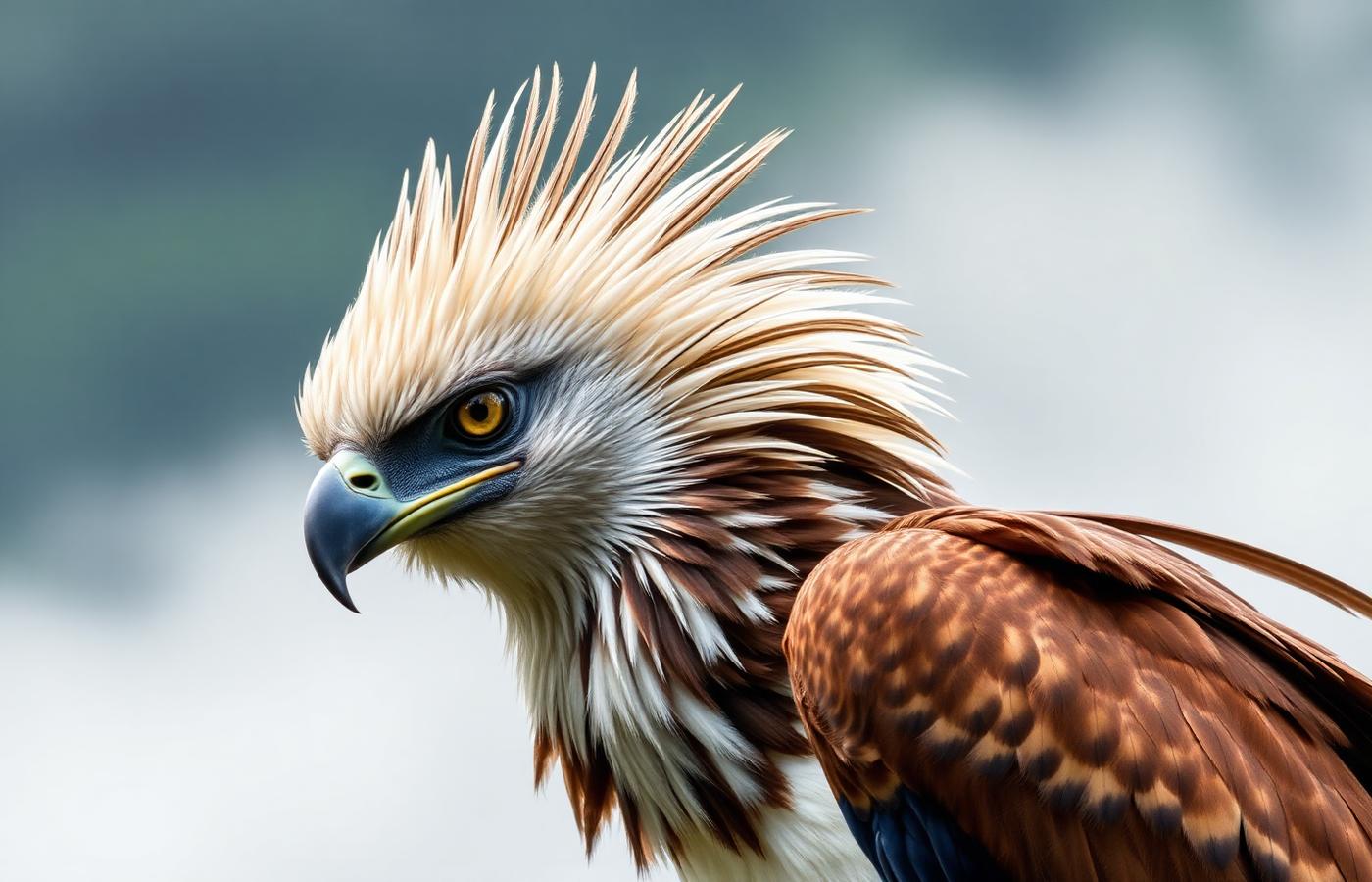
The Philippine Eagle: A Complete Guide to the World's Rarest Raptor
With fewer than 400 breeding pairs remaining, the Philippine Eagle is one of the rarest raptors on Earth. Here's what field biologists have learned in three decades of recovery work.
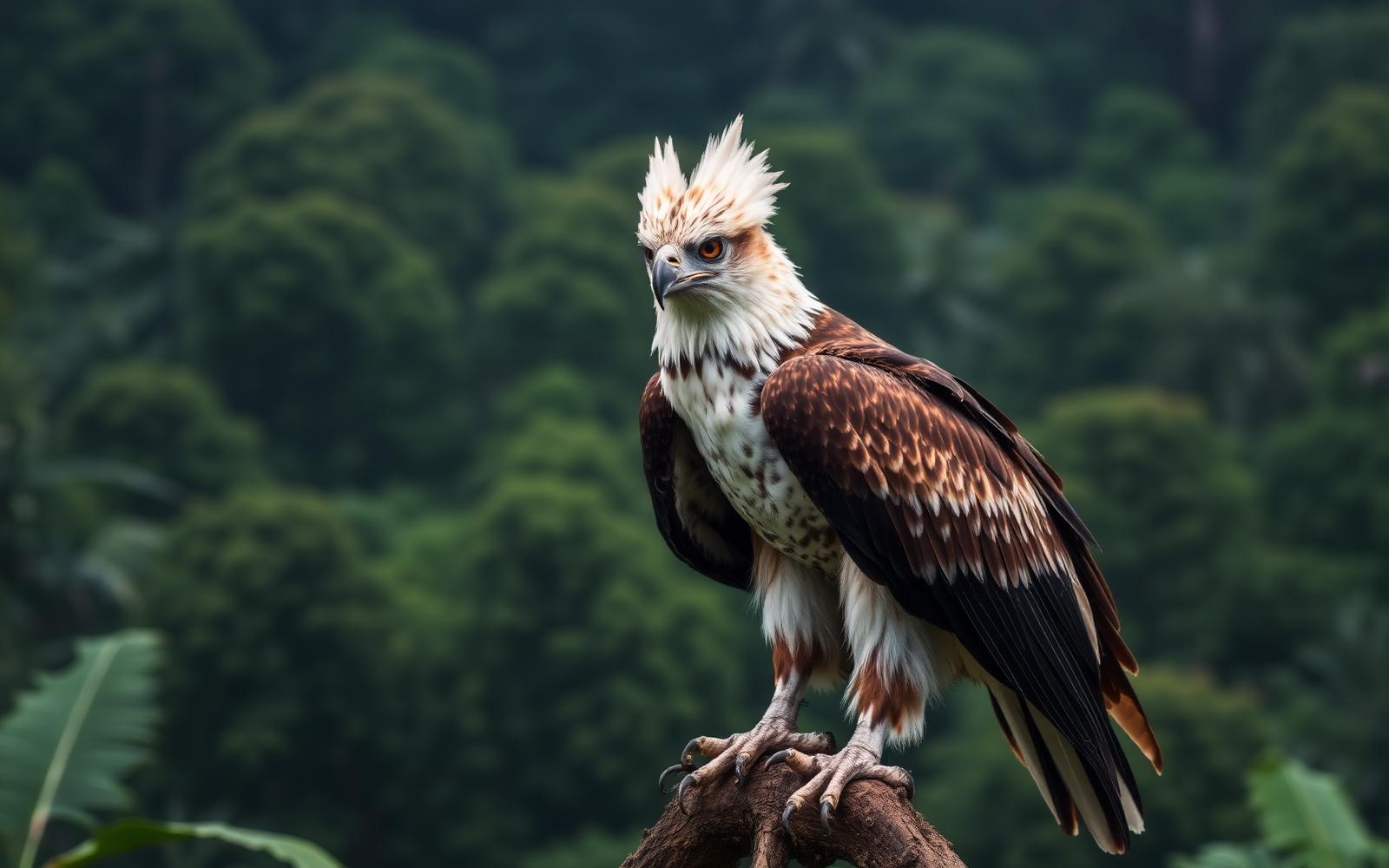
Harpy Eagle: The Apex Predator of the Neotropical Rainforest
The Harpy Eagle takes monkeys and sloths from the canopy with talons the size of a grizzly bear's. Yet across most of its range, it is now functionally rare.