Sri Lanka Frogmouth: Silent Night Bird of the Western Ghats
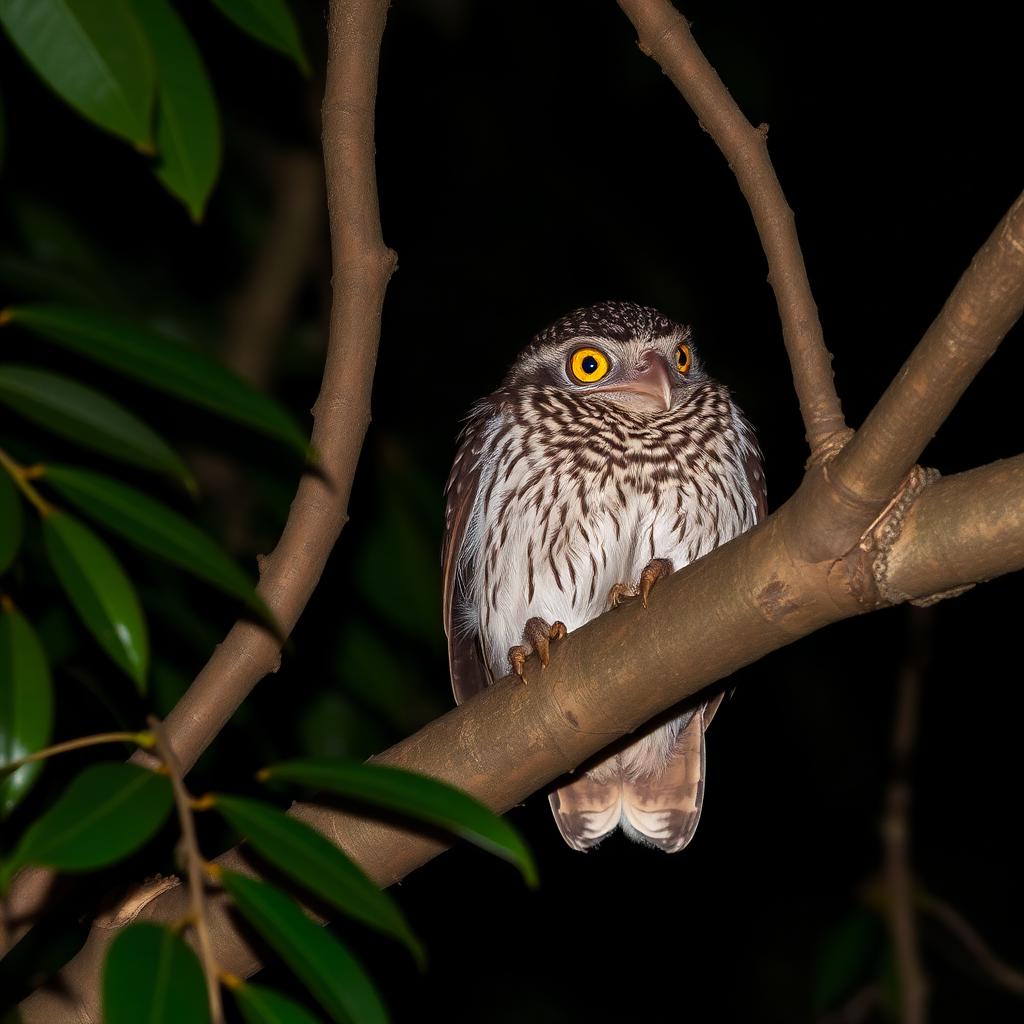
The Sri Lanka Frogmouth is a bark-coloured, wide-mouthed night bird so cryptic that most people walk within metres of one without noticing.
| Scientific name | Batrachostomus moniliger |
|---|---|
| Length | 23 cm |
| Range | Western Ghats (India) & Sri Lanka |
| Habitat | Dense evergreen rainforest |
| Activity | Nocturnal |
| IUCN status | Least Concern |
A bird that looks like bark
The Sri Lanka Frogmouth (Batrachostomus moniliger) is a small nocturnal bird whose entire strategy for survival is to disappear. During the day it perches motionless, eyes closed to slits, imitating a broken branch stub.
At night it becomes a silent aerial predator with a mouth that opens surprisingly wide for a bird of just 23 centimetres.
Range and habitat
The species has a curiously split distribution. It lives along the wet forests of India's Western Ghats — from southern Maharashtra down through Karnataka, Kerala and Tamil Nadu — and again on the wet zone of Sri Lanka.
It prefers dense evergreen rainforest below about 1,300 metres and is rarely seen far from mature canopy cover.
What it looks like
Males are grey-brown with fine dark barring and a scattering of white spots on the wings. Females are warmer, more rufous, and often show a broader pale collar. Both have a broad flat head, huge yellow eyes and a very wide, gaping bill.
In profile they look almost triangular — a compact silhouette that blends perfectly into a knot of moss or a broken branch tip.
Voice
Its call is the easiest way to find one. Pairs duet through the night with a soft, descending 'wraaa-wraaa' interspersed with rising 'krorrr' notes. Once known, the call is unmistakable and can carry surprisingly far in still forest air.
Guides at rainforest lodges often use short playback at dusk to confirm the presence of a resident pair.
How it hunts
Sri Lanka Frogmouths hunt by sit-and-wait. They perch quietly on a low branch, watch for large moths, beetles, katydids or spiders, then launch a short, silent flight and take the prey directly with the bill.
The wide gape is not for scooping insects out of the air like a nightjar — it is a precision trap that closes on individual arthropods.
Breeding
Pairs are strongly monogamous and typically use the same territory year after year. The nest is a tiny, well-camouflaged pad of down, moss and lichen placed on a horizontal branch.
They usually lay a single white egg. Both parents take shifts, with the male often incubating during the day, disguised as part of the branch.
Conservation status
The IUCN lists the Sri Lanka Frogmouth as Least Concern. Its population is stable overall, but it is highly dependent on undisturbed rainforest.
In practice, the biggest local risks are conversion of rainforest to plantations, roadside clearance in the Western Ghats, and disturbance from unregulated night-birding with heavy flashlights and repeated playback.
Where to see one
Reliable sites include Thattekad Bird Sanctuary in Kerala, Sinharaja Forest Reserve in Sri Lanka, and Coorg in Karnataka. Local guides know specific day-roost trees where a resident pair returns for years.
The best viewing is a short, respectful daytime visit with minimal noise, then a distant listen at dusk. Avoid loud playback and bright torches directly on the birds.
A lesson in patient watching
Few birds reward slow, quiet observation like the Sri Lanka Frogmouth. Once you have stood in a mossy Kerala or Sinharaja forest and finally picked out that stub of bark that is actually a living bird, you understand why serious birders travel thousands of kilometres for a single view. Protect the rainforest, hire local guides and keep the flashlight low — this species asks very little in return.
Key takeaways
- The Sri Lanka Frogmouth lives only in the Western Ghats and Sri Lanka.
- It is nocturnal and hunts insects by sit-and-wait ambush.
- Camouflage lets it roost on open branches by day.
- Pairs duet at night with soft, unmistakable calls.
- It is Least Concern globally but sensitive to rainforest disturbance.
Frequently asked questions
Is the Sri Lanka Frogmouth actually a frog?
No — it is a bird, but its huge, wide gape is a bit reminiscent of a frog, which is where the family name comes from.
Is it related to owls?
No. Frogmouths are in the order Caprimulgiformes, closer to nightjars and potoos than to true owls.
Is it dangerous or aggressive?
Not at all. It is a small, insect-eating bird and freezes when it feels threatened.
When is the best time to see one?
Late dusk when it starts calling, or during the day at a known roost visited with a knowledgeable guide.
Do they mate for life?
Pairs are strongly monogamous and often stay on the same territory for many years.
Can I use flash photography?
Repeated flash and bright torchlight stress the birds. Use dim red light, keep sessions short and follow your guide's rules.
References
Related reading
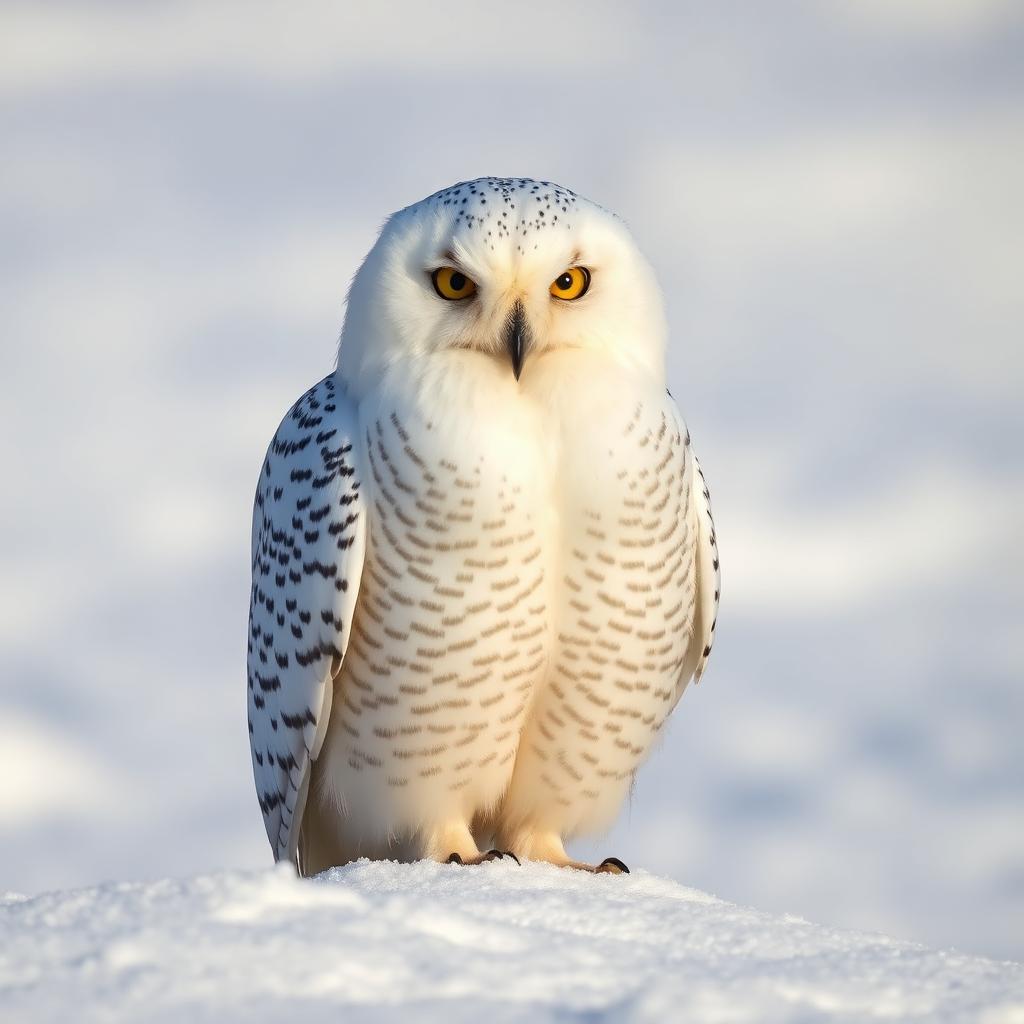
Snowy Owl: The Arctic Nomad You Cannot Predict
The Snowy Owl is one of the few large birds most people can recognise on sight — and yet almost everything else about it, from where it will spawn to where it will winter, is genuinely hard to predict.
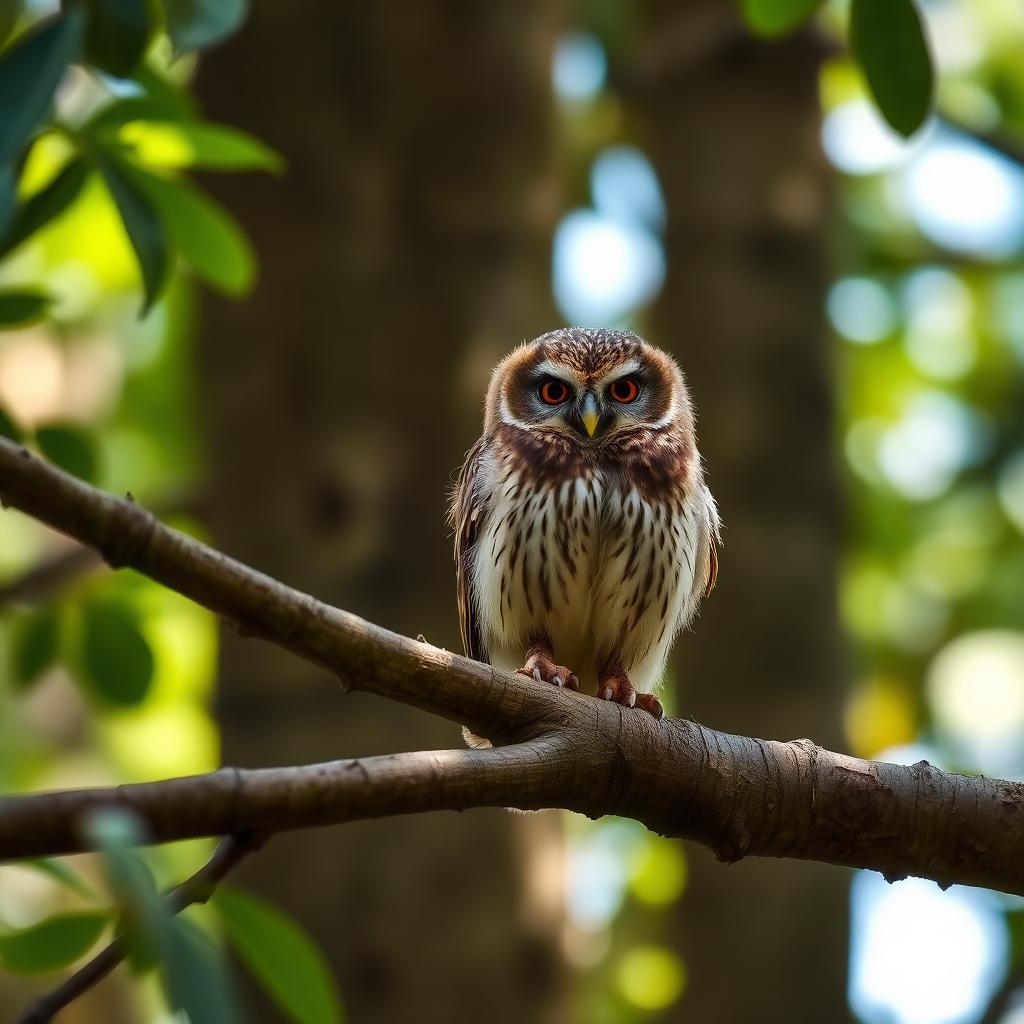
Forest Owlet: Central India's Rediscovered Little Owl
The Forest Owlet was missing to science for 113 years. Its 1997 rediscovery in Maharashtra opened a small window that could still close.