Snowy Owl: The Arctic Nomad You Cannot Predict
The Snowy Owl is one of the few large birds most people can recognise on sight — and yet almost everything else about it, from where it will spawn to where it will winter, is genuinely hard to predict.
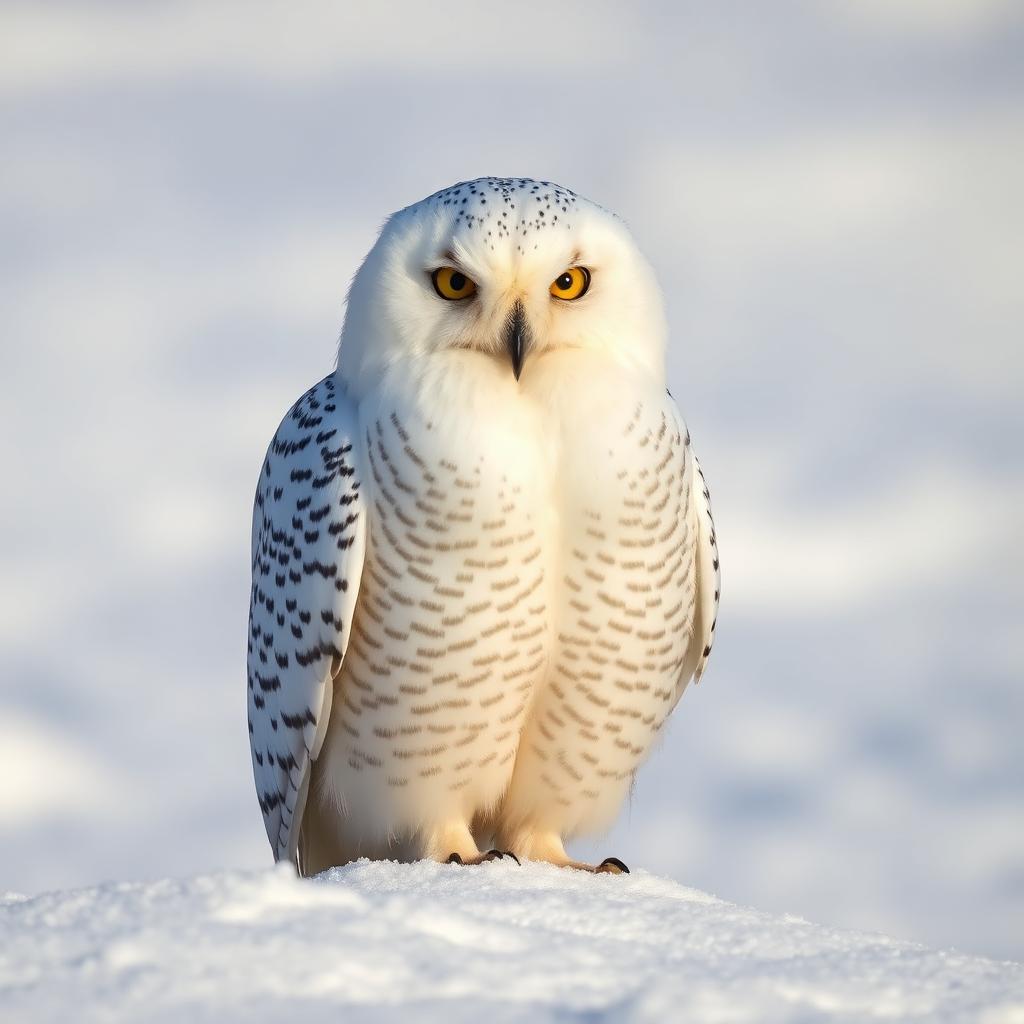
| Scientific name | Bubo scandiacus |
|---|---|
| Weight | 1.6–2.9 kg |
| Wingspan | ≈ 150 cm |
| Breeding range | Arctic tundra across North America, Europe, Asia |
| Winter range | Highly variable — from Arctic to northern US and central Europe |
| Diet | Lemmings, voles, hares, seabirds |
| IUCN status | Vulnerable |
A bird that lives with the weather
The Snowy Owl (Bubo scandiacus) is one of the heaviest owls in the world and by far the largest that regularly hunts in daylight. Adult males are almost pure white; females and juveniles are heavily barred with dark grey or black, providing camouflage on rocky tundra.
It is a circumpolar species, breeding on Arctic tundra across northern Canada, Alaska, Greenland, Fennoscandia and northern Russia. But 'circumpolar' is misleading: individual owls are strong nomads and follow rodent booms rather than fixed migration routes.
The lemming lifeline
In most parts of the Arctic breeding range, Snowy Owls depend heavily on lemmings — small tundra rodents whose populations rise and crash on rough 3–5 year cycles. In a peak lemming year, a breeding female may lay up to 11 eggs and successfully fledge most of them. In a crash year, the same pair may not breed at all.
Outside the tundra, they take voles, hares, ptarmigan and, along Atlantic coastlines, seabirds — including auks and even small ducks.
A nest on the open ground
Snowy Owls nest on the open tundra, usually on a raised, snow-free mound with a clear view. The female scrapes a shallow depression, lays her eggs directly on the ground, and incubates them for about 32 days. The male hunts for the entire family during incubation and the early chick period.
Because nests are exposed, adults defend them fiercely — dive-bombing wolves, foxes and even bears that stray too close. Bird researchers who approach active nests wear helmets for a reason.
Irruptions, not migrations
Every four to six years, populations across much of North America experience an 'irruption' — hundreds of Snowy Owls appear far south of their normal winter range, sometimes as far as Bermuda, Florida and northern Texas. These irruptions were once assumed to be starvation events, but modern tracking shows most irrupting owls are young, well-fed birds that have simply dispersed widely after a strong breeding season.
Project SNOWstorm and other tagging studies have transformed our understanding. Some individuals winter in one place; others cover 6,000 km in a single winter, patrolling ice edges and airports.
Why status was raised to Vulnerable
In 2017 the IUCN moved Snowy Owl from Least Concern to Vulnerable. Two factors drove the change. First, breeding surveys across the North American Arctic showed steeper declines than previously realised — the current global population is now estimated at around 30,000 mature individuals, less than half earlier assumptions.
Second, climate change is compressing and disrupting the lemming cycle in much of the Arctic. Warmer winters produce icing events that suffocate lemming colonies under the snow, which in turn cuts Snowy Owl breeding success.
A bird you cannot manage on a calendar
Conserving Snowy Owls means protecting large expanses of undisturbed tundra and taking climate impacts on Arctic prey populations seriously. Because the birds are nomadic, no single protected area is enough. Their range is the whole circumpolar north.
Key takeaways
- Snowy Owls breed across the Arctic tundra and winter unpredictably far to the south.
- Breeding success is tightly tied to the lemming cycle.
- Irruptions south are mostly driven by successful breeding years, not starvation.
- The IUCN raised the status to Vulnerable in 2017 after new population estimates and climate-driven prey concerns.
Frequently asked questions
Are Snowy Owls endangered?
The current IUCN status is Vulnerable. This is a step below Endangered, driven by newer, lower population estimates and climate-related pressure on prey.
Do Snowy Owls migrate south every winter?
No. Most winter within or just south of the breeding range. Every 4–6 years an 'irruption' pushes large numbers unusually far south.
What do Snowy Owls eat?
Primarily lemmings and other small tundra rodents. In winter and along coasts they also take hares, ptarmigan and seabirds.
How many eggs does a Snowy Owl lay?
Clutch size varies dramatically with prey abundance. In a lemming crash, pairs may not breed. In a peak year, a female may lay 8–11 eggs.
Where can I reliably see a Snowy Owl?
In North America, open coastal areas of Massachusetts, New Jersey and the Great Lakes in irruption winters, and airports in southern Ontario and Wisconsin, are historically productive.
References
Related reading
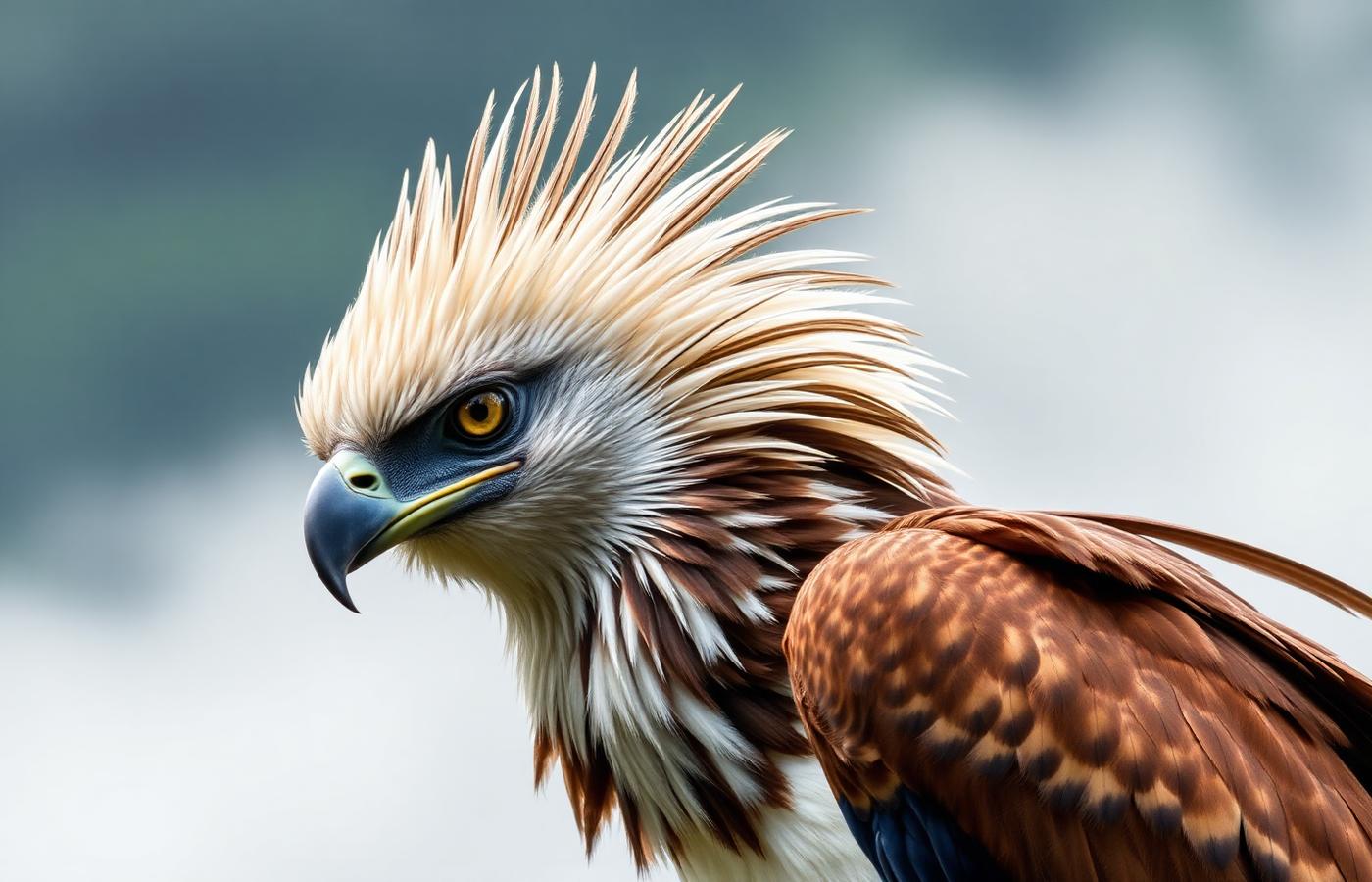
The Philippine Eagle: A Complete Guide to the World's Rarest Raptor
With fewer than 400 breeding pairs remaining, the Philippine Eagle is one of the rarest raptors on Earth. Here's what field biologists have learned in three decades of recovery work.
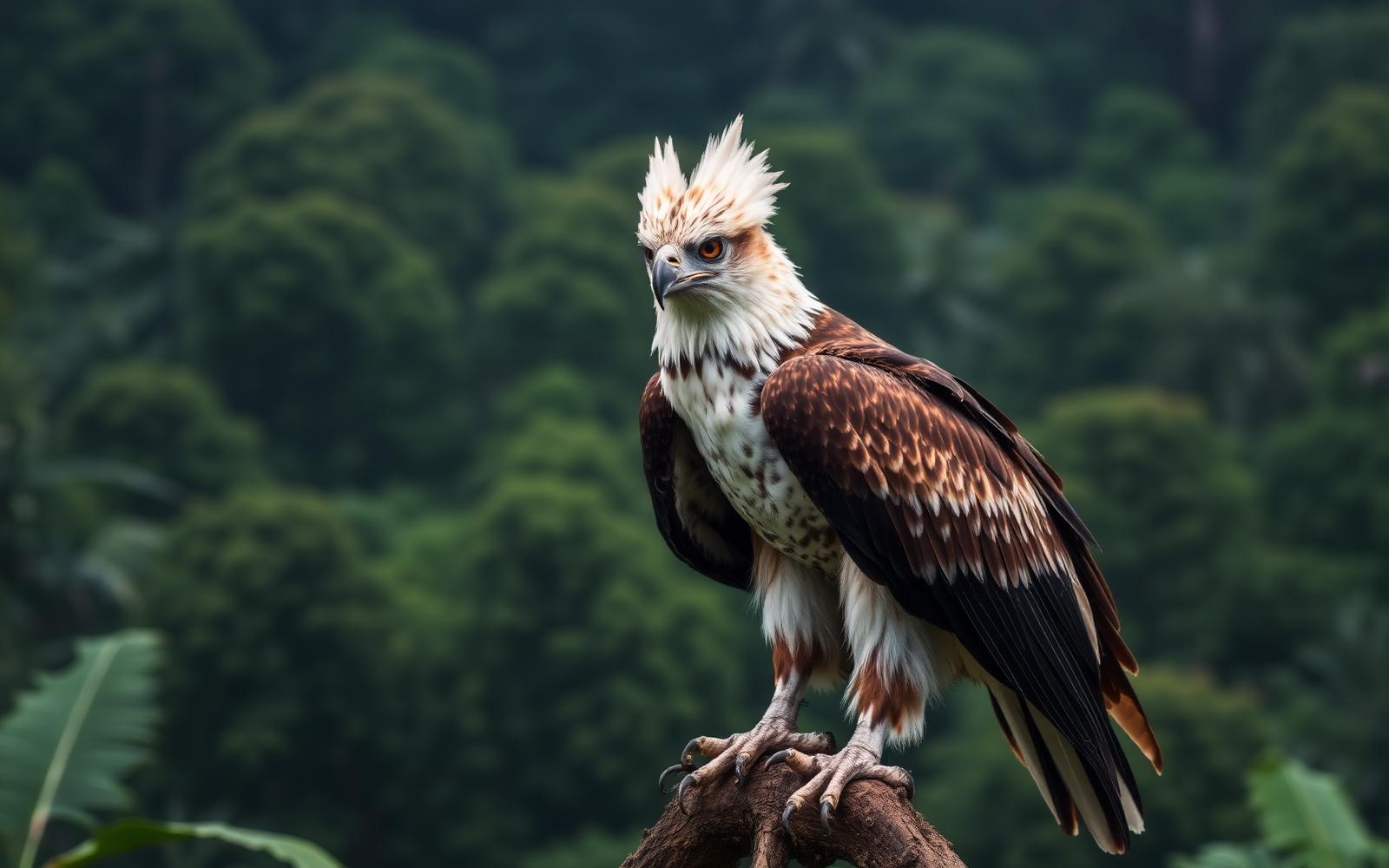
Harpy Eagle: The Apex Predator of the Neotropical Rainforest
The Harpy Eagle takes monkeys and sloths from the canopy with talons the size of a grizzly bear's. Yet across most of its range, it is now functionally rare.