Black Stilt (Kakī): The World's Rarest Wading Bird
The Black Stilt has all-black plumage, long red legs, and one of the smallest wild populations of any wader on Earth.
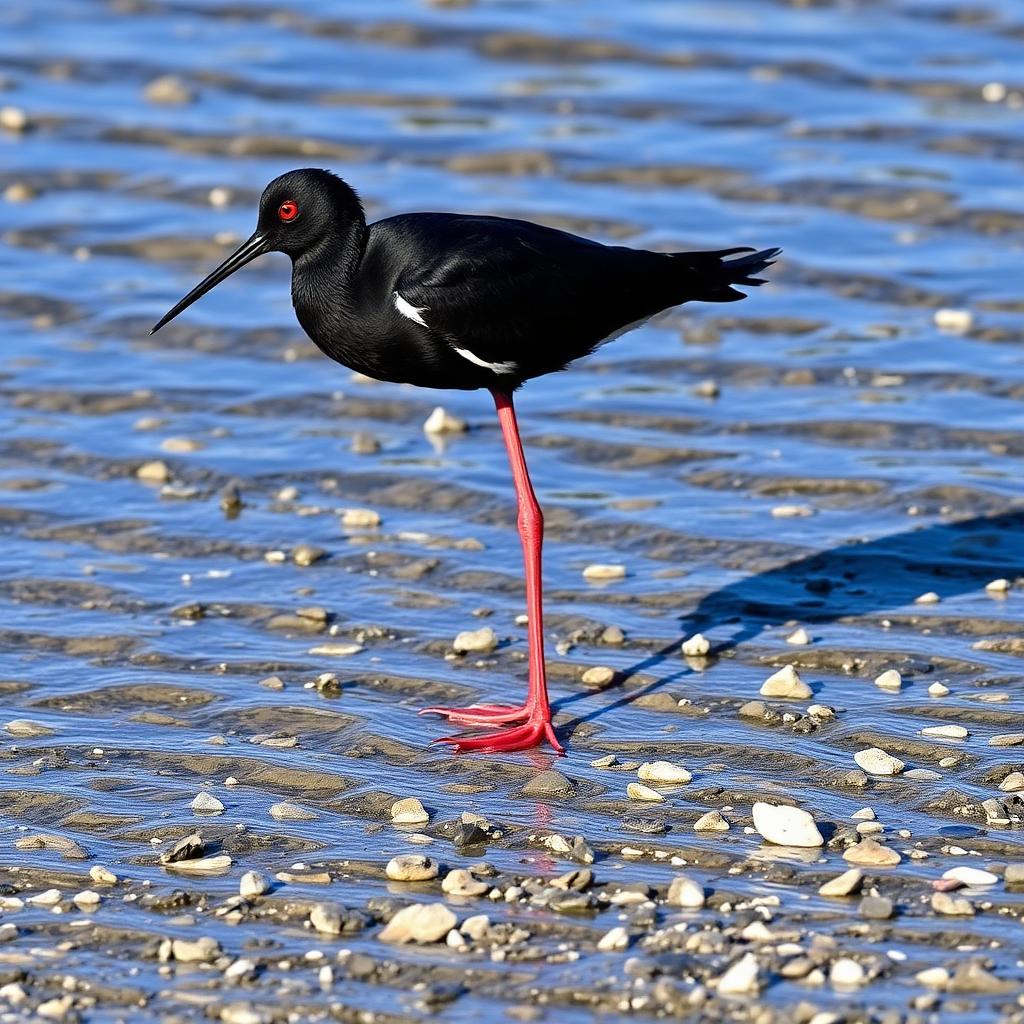
| Scientific name | Himantopus novaezelandiae |
|---|---|
| Length | ≈ 40 cm |
| Range | Braided rivers of the Mackenzie Basin, South Island, NZ |
| Diet | Aquatic invertebrates, small fish |
| Population | ≈ 170 wild adults |
| IUCN status | Critically Endangered |
A jet-black wader
The Black Stilt, known in te reo Māori as Kakī, is a slender wading bird endemic to the South Island of New Zealand. Adults are unusual among stilts for being entirely jet-black, with long red legs and a fine straight bill.
It is one of the rarest wading birds in the world. Recent counts place the wild adult population at around 170 birds, all restricted to the braided rivers and wetlands of the Mackenzie Basin.
Life on braided rivers
The Kakī nests on the wide, gravel-braided rivers that fan out from the Southern Alps — the Tasman, Cass, Godley, Ahuriri and their tributaries. These systems shift channels every flood, exposing fresh gravel bars that are effectively predator-free islands.
Adults feed by picking aquatic invertebrates from shallow riffles and side-channels, and take small fish where available.
How the species almost disappeared
European settlement transformed the Mackenzie Basin. Introduced stoats, ferrets, cats and hedgehogs prey on eggs and chicks; introduced brown trout compete for invertebrate prey; and irrigation extraction has reduced river flow.
By the early 1980s, only 23 adult Kakī were known to survive in the wild. Without immediate intervention, extinction inside a decade was considered likely.
The Twizel captive-rearing programme
The Department of Conservation established a captive-rearing facility near Twizel in the 1980s. Wild eggs are collected, incubated, and chicks are hand-reared through their most vulnerable months before being released into the same catchments their parents used.
Since the programme began, more than 2,000 juvenile Kakī have been released. The wild adult population has climbed from 23 in the 1980s to around 170 today — small, but no longer collapsing.
The Pied Stilt problem
Black Stilts occasionally pair with the far more common self-introduced Pied Stilt (Himantopus himantopus leucocephalus). Hybrid pairs produce viable offspring, and hybrids can dilute the small pure Kakī gene pool.
Field managers monitor breeding pairs closely, prioritising pure Kakī–Kakī matches for captive rearing and release.
Ongoing threats
Introduced mammalian predators remain the top threat, followed by hydrological change from irrigation and hydroelectric development. Recreational vehicles on riverbeds during nesting season also disturb pairs and destroy nests.
Climate change is expected to alter snowmelt timing, potentially shifting river flow away from the breeding season.
Predator control and habitat protection
Long-term predator control across the Mackenzie Basin — traps, poison baiting, and increasingly, landscape-scale programmes such as Project River Recovery — supports both wild-hatched and released Kakī.
Community awareness, especially around off-road driving on braided riverbeds during the October–January nesting season, is now built into local land-use planning.
A wader worth every intervention
The Kakī is unlikely ever to become common. Its future depends indefinitely on captive rearing, predator control and a specific, still-shifting braided-river landscape. That is a demanding conservation commitment — and one of the reasons the species is still with us at all.
Key takeaways
- The Black Stilt is a New Zealand wader with fewer than 200 wild adults.
- It breeds only on braided rivers of the Mackenzie Basin, South Island.
- Introduced mammalian predators nearly caused extinction in the 1980s.
- The Twizel captive-rearing programme has released more than 2,000 juveniles since the 1980s.
Frequently asked questions
Why is it called Kakī?
Kakī is the te reo Māori name for the Black Stilt. It is widely used alongside the English name in New Zealand.
How many Black Stilts are left?
Recent surveys place the wild adult population at approximately 170 birds, all in the Mackenzie Basin.
Where can I see a Kakī?
The Kakī Visitor Hide near Twizel provides reliable views of captive birds; wild sightings are possible along braided rivers in the Mackenzie Basin.
Why is it entirely black?
Its plumage is a distinct adult trait; juveniles start pied and gradually turn black as they mature.
Do Black Stilts migrate?
No. They are resident year-round in the South Island, though some birds move to coastal estuaries in winter.
References
Related reading
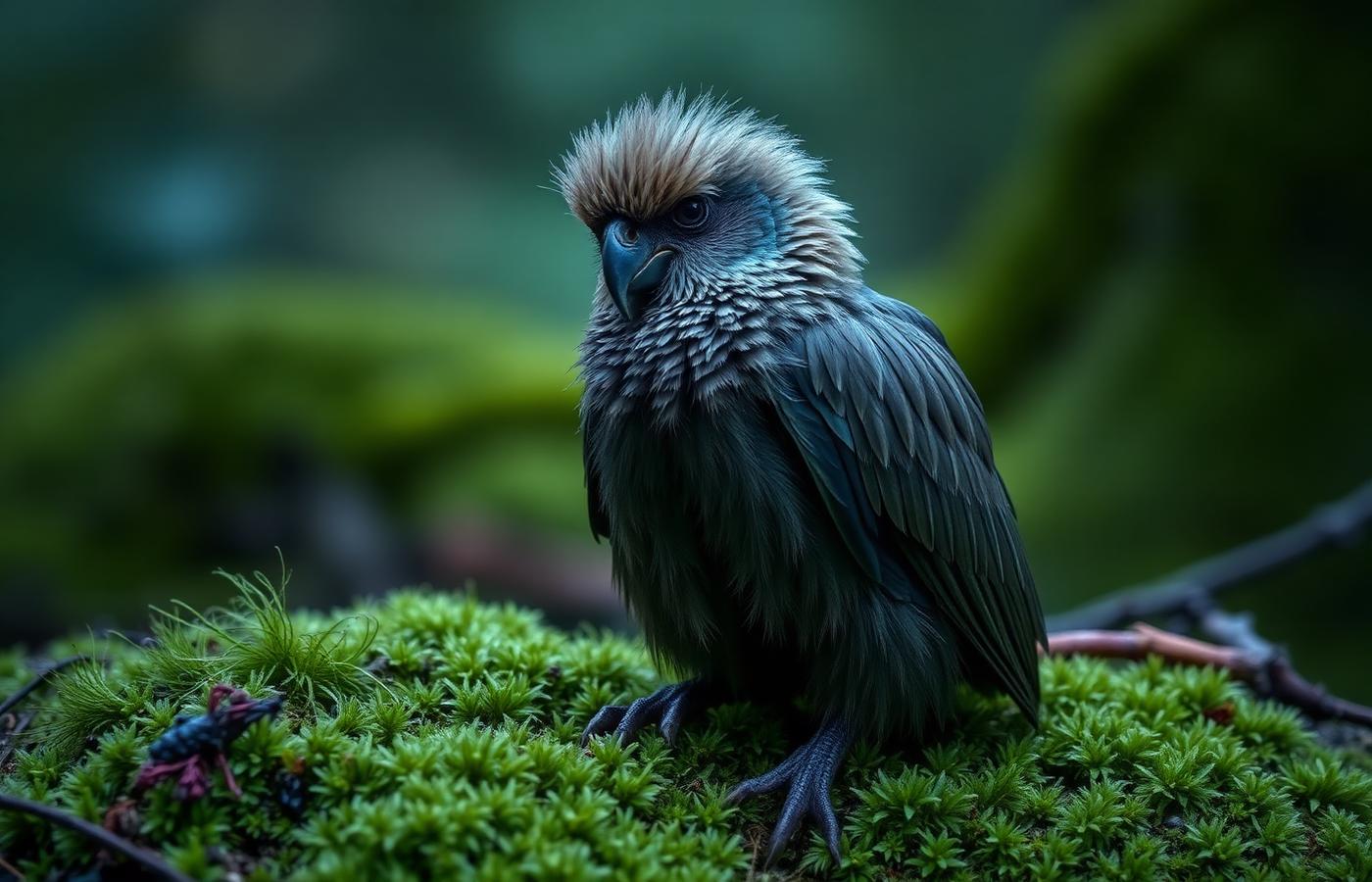
The Kakapo Recovery Programme: How New Zealand Saved a Flightless Parrot
The Kakapo went from a handful of survivors in the 1990s to more than 250 birds today. Here's how — and what still threatens the world's only flightless nocturnal parrot.
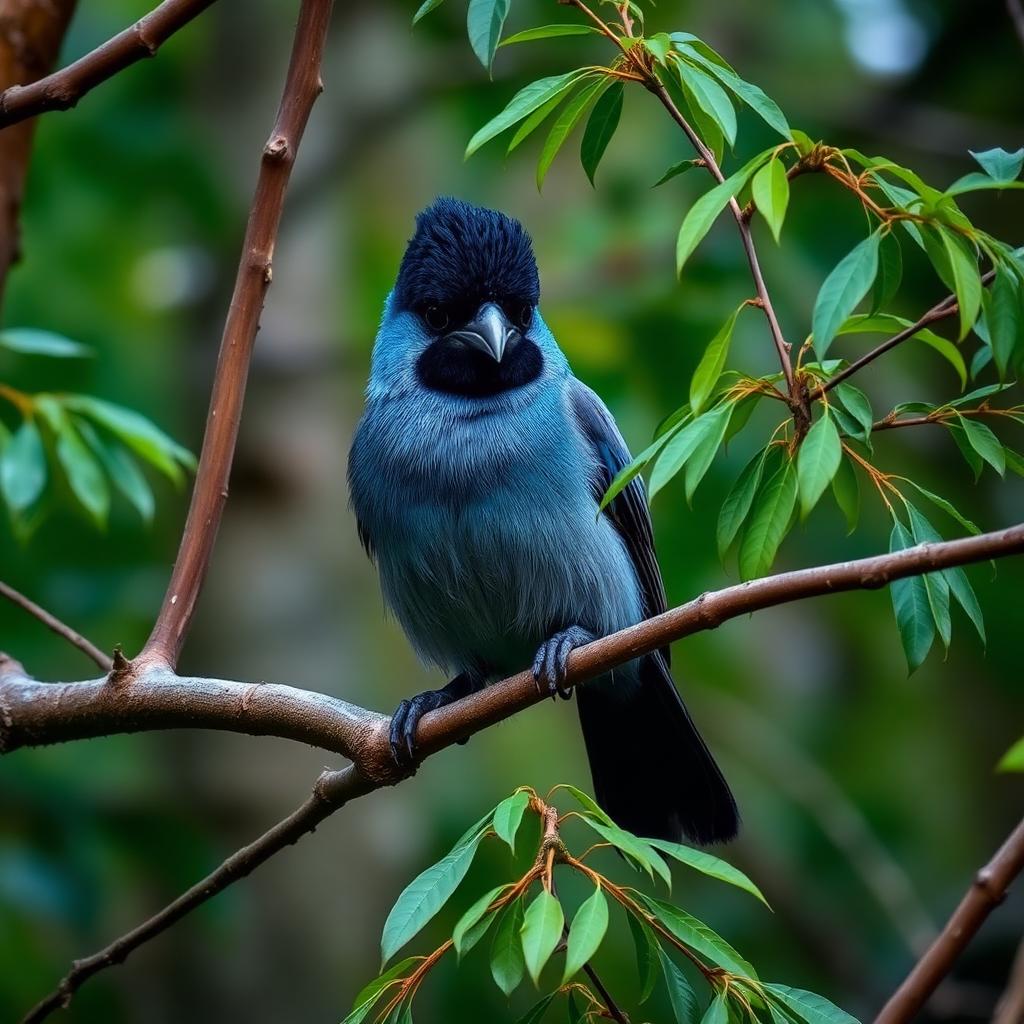
North Island Kōkako: The Blue-Wattled Forest Singer
The North Island Kōkako is a slow, gliding forest songbird whose long, organ-like dawn calls once defined New Zealand's mature podocarp forests.