The California Condor: North America's Largest Bird Fights Back
In 1987, every California Condor left on Earth was pulled into captivity. The species is back — barely — thanks to one of the most expensive recovery programmes in history.
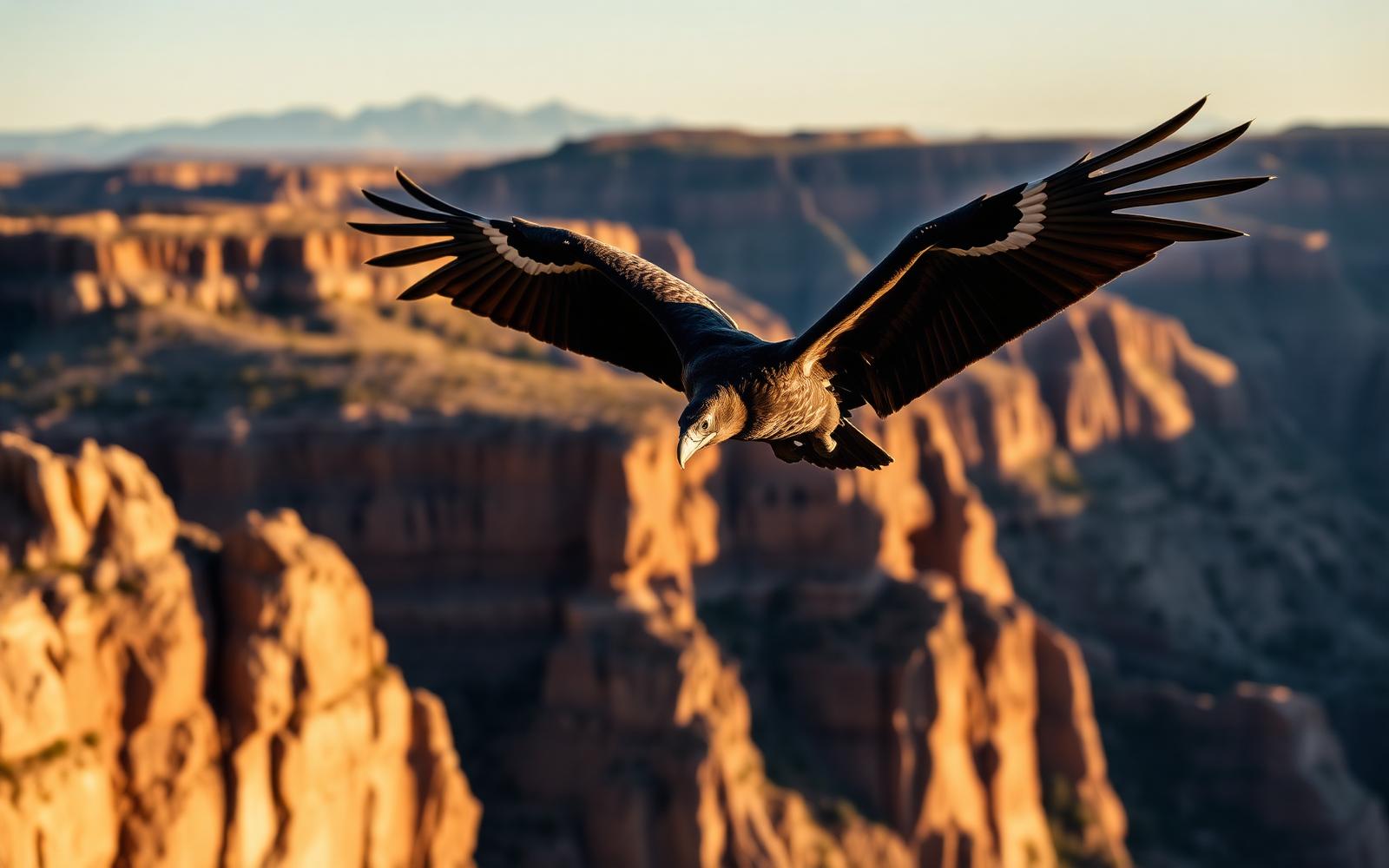
| Scientific name | Gymnogyps californianus |
|---|---|
| Wingspan | up to 3 metres |
| Weight | 8 – 14 kg |
| Range | California, Arizona, Utah, Baja California |
| Wild population | 347 (2025) |
| Total population | 561 including captive |
| IUCN status | Critically Endangered |
| Main threat | Lead ammunition poisoning |
From 22 birds to a captive gene pool
The California Condor (Gymnogyps californianus) is the largest land bird in North America, with a wingspan approaching three metres. In April 1987, biologists caught the last free-flying wild condor, known as AC9, and moved him into the Los Angeles Zoo. Twenty-two birds remained on Earth. Every one of them was in captivity.
The California Condor recovery programme that followed is one of the largest single-species interventions in conservation history. The choice to pull every bird was controversial, but with reproduction failing in a wild population saturated with lead, it was almost certainly the reason the species still exists.
The captive breeding backbone
San Diego Zoo Wildlife Alliance and the Los Angeles Zoo built a captive network that used double-clutching — removing the first egg for artificial incubation to trigger a second — to accelerate reproduction. Puppet feeding kept chicks from imprinting on humans.
The first captive-bred birds were released in 1992. By 2003, wild reproduction was documented again. As of the 2025 census the total known population sits at 561 birds, with 347 flying free across California, Arizona, Utah and Baja California.
Why lead ammunition is still the problem
Condors are obligate scavengers. When a hunter kills a deer with lead ammunition and leaves the gut pile in the field, condors find it and ingest lead fragments too small to see. Even sub-lethal doses cause neurological damage and impair digestion; a full dose kills.
Roughly half of all California Condor deaths in the wild population are still attributable to lead exposure. California banned lead ammunition for all hunting in 2019, and Arizona's voluntary non-lead programme has meaningful uptake, but a single lead-shot carcass in a foraging zone can still poison multiple birds in a week.
Microtrash and the chick problem
A less obvious threat is 'microtrash' — small pieces of glass, wire, bottle caps and metal fragments that adult condors sometimes feed to nestlings, apparently mistaking them for bone fragments (a normal calcium source). Chicks with impacted stomachs starve.
Field crews now conduct nest inspections and, where necessary, surgical removal of microtrash. This is direct, hands-on management: no other large raptor recovery programme runs at this level of individual intervention.
What full recovery would actually require
To be downlisted from Critically Endangered, the California Condor recovery programme needs two self-sustaining wild populations of at least 150 birds each, with lead exposure reduced to a level where mortality does not exceed recruitment. Neither condition is currently met.
The Yurok Tribe's 2022 reintroduction in Redwood National Park is a promising expansion northward, but the underlying calculus stays the same: as long as spent lead ammunition sits on the landscape, wild condors will need pulling in for chelation therapy every year.
A recovery that must not stall
The California Condor is a species held together by human effort. That is uncomfortable, but it is honest. Every non-lead round used by a hunter in condor range materially improves the odds of the species surviving without a permanent life-support system. The comeback is real. It is also not finished.
Key takeaways
- Every California Condor alive today descends from the 22 birds captured in 1987.
- Lead ammunition remains the single largest cause of wild-bird mortality.
- Field crews still intervene at nests to remove microtrash from chicks.
- Downlisting requires two self-sustaining wild populations — not yet achieved.
Frequently asked questions
How many California Condors are alive today?
As of the 2025 census, 561 California Condors exist in total, with 347 flying free in the wild and the rest in captive breeding facilities.
Why did the California Condor almost go extinct?
The primary drivers were lead poisoning from spent hunting ammunition, DDT contamination, power-line collisions and habitat loss. Combined, they collapsed the wild population to 22 birds by 1987.
Are California Condors dangerous?
No. Condors are obligate scavengers — they feed only on carrion and pose no threat to people, livestock or pets.
Where can I see a California Condor in the wild?
The most reliable public locations are the South Rim of the Grand Canyon in Arizona, Pinnacles National Park in California, and the Big Sur coast, particularly in spring.
Is the California Condor still endangered?
Yes. It remains listed as Critically Endangered on the IUCN Red List and Endangered under the U.S. Endangered Species Act.
References
Related reading
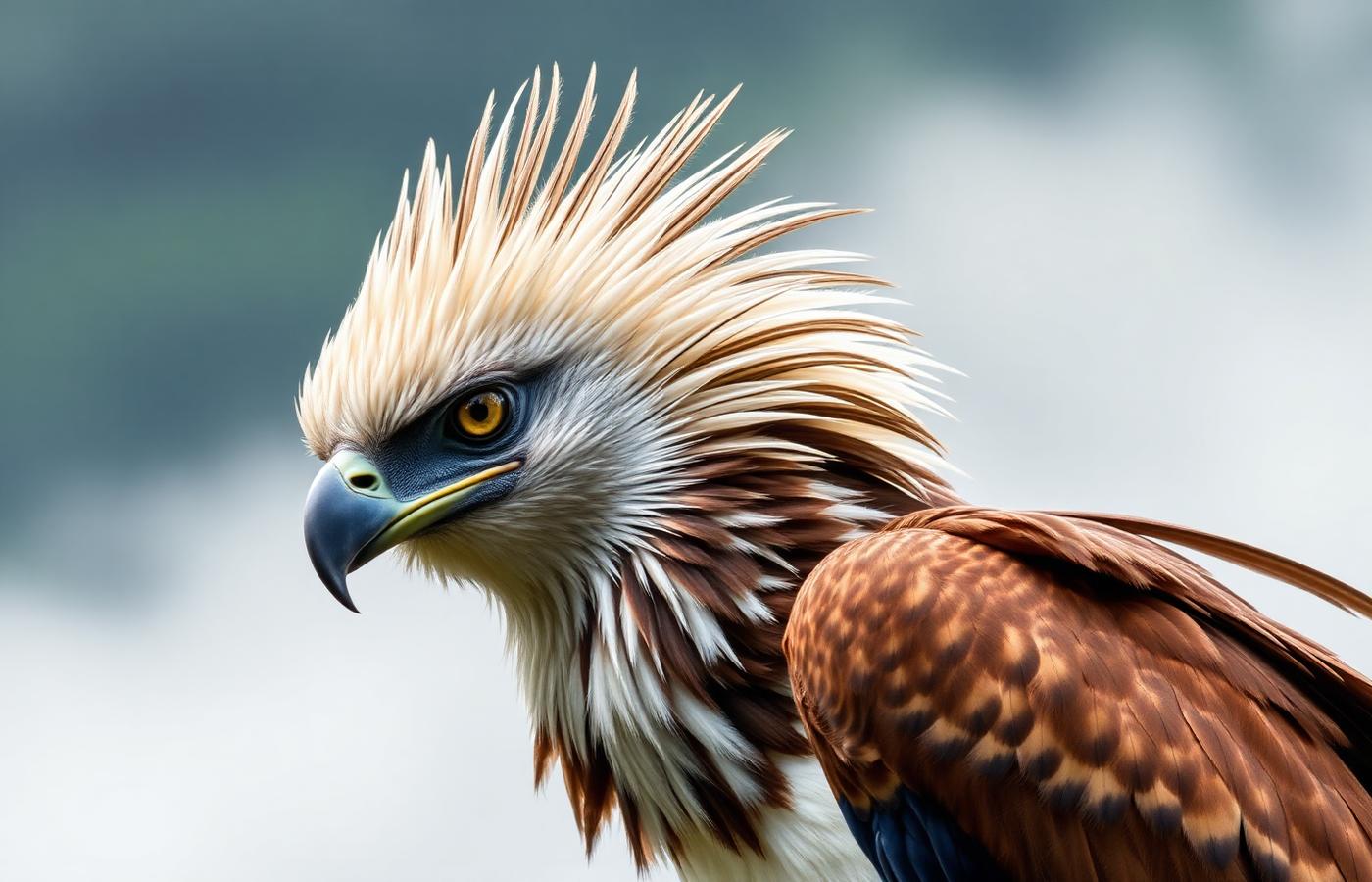
The Philippine Eagle: A Complete Guide to the World's Rarest Raptor
With fewer than 400 breeding pairs remaining, the Philippine Eagle is one of the rarest raptors on Earth. Here's what field biologists have learned in three decades of recovery work.
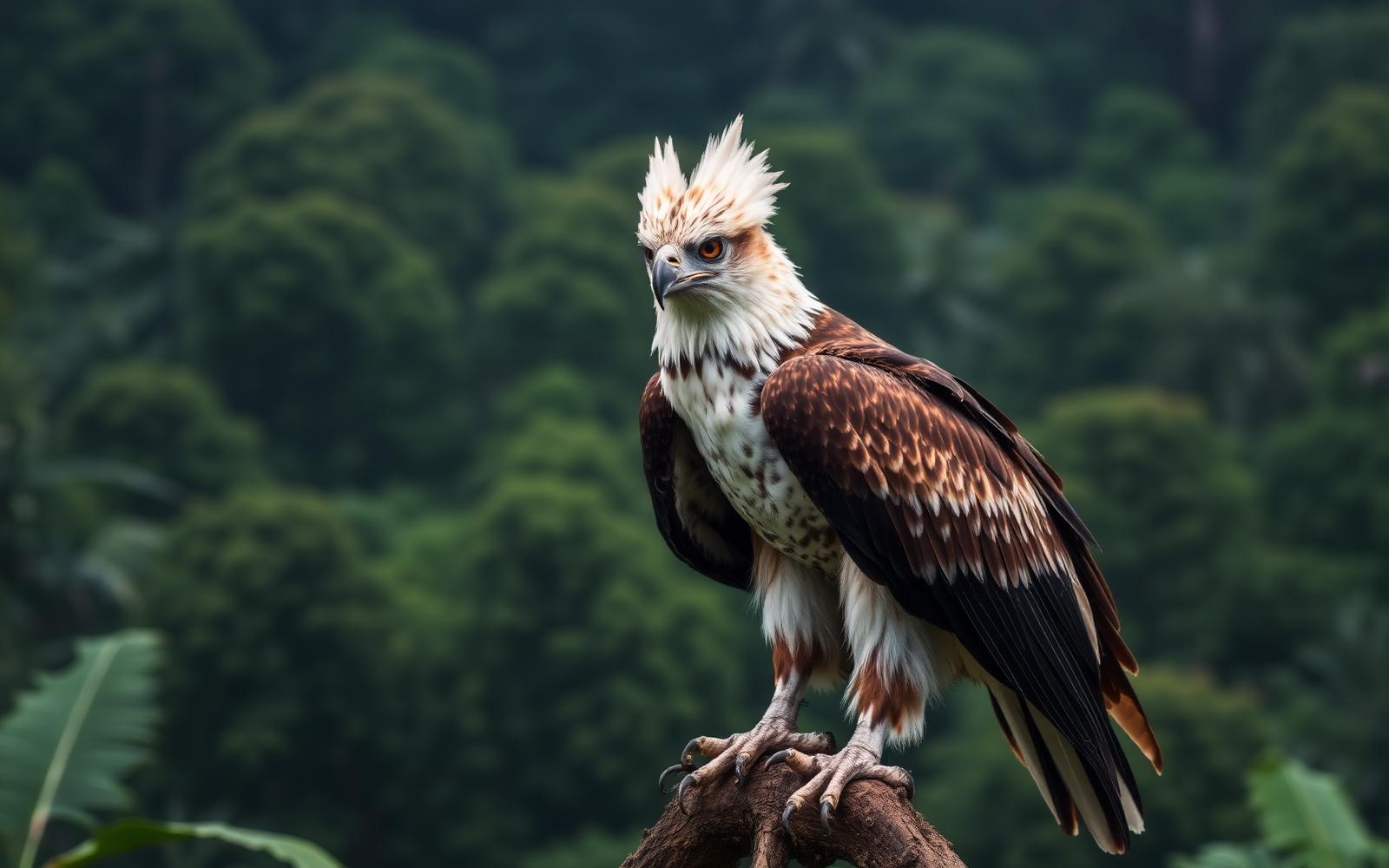
Harpy Eagle: The Apex Predator of the Neotropical Rainforest
The Harpy Eagle takes monkeys and sloths from the canopy with talons the size of a grizzly bear's. Yet across most of its range, it is now functionally rare.