Madagascar Fish Eagle: Africa's Rarest Raptor
With fewer than 250 breeding pairs left, the Madagascar Fish Eagle is one of the most range-restricted eagles in the world. Here is why it matters and what is being done.
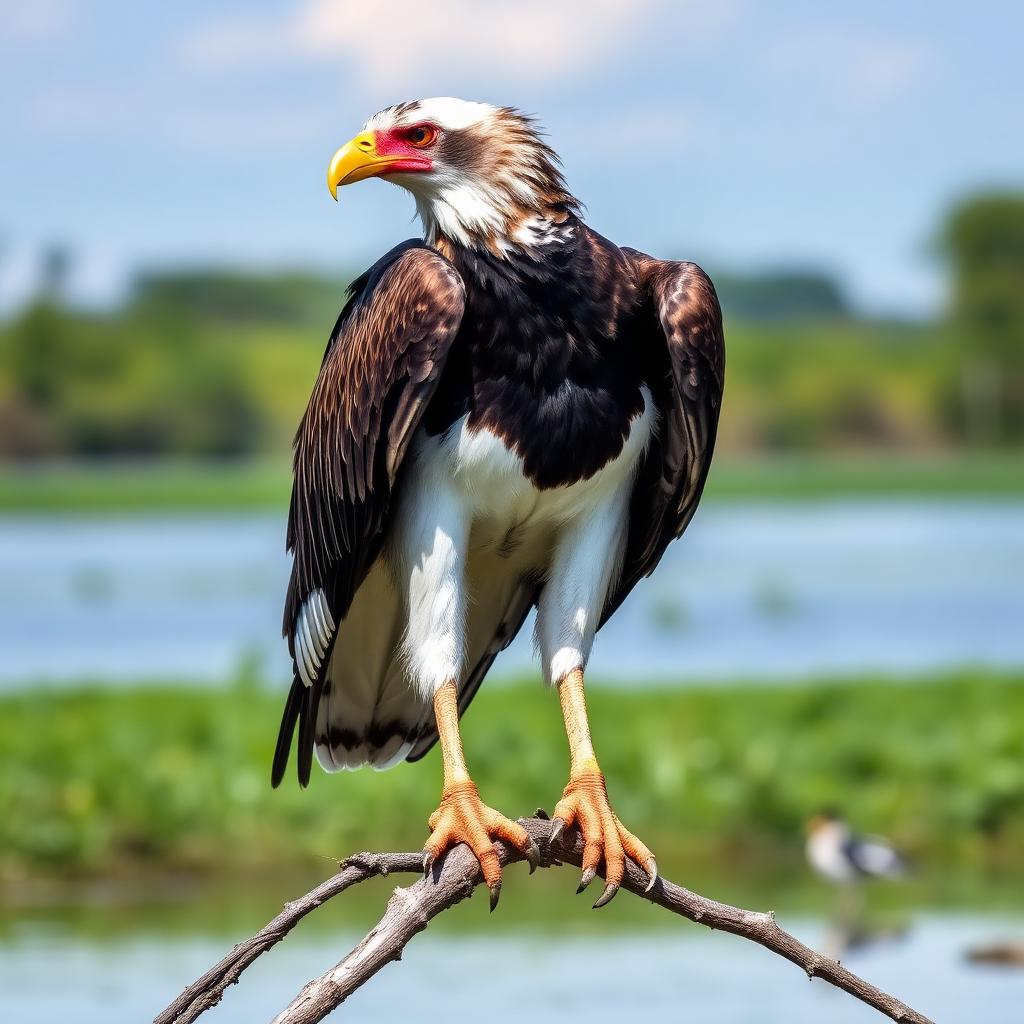
| Scientific name | Haliaeetus vociferoides |
|---|---|
| Wingspan | ≈ 165–180 cm |
| Range | West coast of Madagascar |
| Diet | Fish, occasional waterbirds |
| Population | ≈ 240 breeding pairs |
| IUCN status | Critically Endangered |
An eagle on one island
The Madagascar Fish Eagle (Haliaeetus vociferoides) is a large sea-eagle endemic to the west coast of Madagascar. It looks similar to its African cousin, the African Fish Eagle, but is browner, warmer-toned, and has a pale creamy head rather than pure white.
It is also one of the world's rarest raptors. The most recent census, coordinated by The Peregrine Fund, estimates around 240 breeding pairs — a population smaller than that of the Philippine Eagle.
A narrow coastal ribbon
The species is restricted to a strip of Madagascar's west coast between the Antsiranana region in the north and the Mangoky river in the south. Within that strip, it depends on very specific habitats: mangrove estuaries, coastal lagoons, and large inland lakes such as those in Ankarafantsika National Park.
It does not use the east coast at all. The reasons are not fully understood, but likely relate to prey availability and the absence of the calm, fish-rich shallow waters it prefers.
A specialist fisher
Madagascar Fish Eagles hunt almost exclusively fish, taken from a perch dive. A hunting adult typically watches from a bare branch 5–15 metres above water, then glides down, snatches fish from the surface with its talons, and returns to the perch to feed.
Occasionally they take waterbirds — juvenile herons, ducks, coots — but fish make up more than 90% of prey items in most nest studies.
Cooperative breeding, one chick
One of the species' most unusual traits is polyandrous cooperative breeding: a female frequently pairs with two males that both help incubate, defend the territory, and feed chicks. This is extremely rare in eagles.
Despite this, productivity is very low. Pairs typically raise only one fledgling per attempt, and many territories fail entirely in a given year due to nest disturbance or prey scarcity.
Why so few birds
The main drivers of decline are habitat loss and human disturbance around nest sites. Mangrove clearance for charcoal production, expansion of rice cultivation into lake margins, and increased boat traffic on inland lakes all reduce the amount of usable habitat.
Direct persecution — nest robbing for the pet trade and occasional shooting — remains a smaller but still significant threat. Fishing net entanglement has also been documented.
The Peregrine Fund programme
Since the mid-1990s, The Peregrine Fund has run a long-term Madagascar Fish Eagle project in partnership with Malagasy communities. The programme trains local monitors, protects known nest trees, and works with fishing cooperatives on lake-margin buffer zones.
Two protected areas — Ankarafantsika National Park and the Manambolomaty Lakes Ramsar site — now hold significant fractions of the total population. Continued protection of these sites is essential; without them, extinction becomes plausible within decades.
The rarest sea eagle on Earth
The Madagascar Fish Eagle is a reminder that some of the world's most spectacular raptors survive in tiny numbers on a single coastline. Its future depends less on captive breeding and more on whether Madagascar's west coast wetlands remain intact and largely undisturbed.
Key takeaways
- Only around 240 breeding pairs of Madagascar Fish Eagle remain.
- The species is restricted to Madagascar's west coast lakes, lagoons and mangroves.
- It practises unusual polyandrous cooperative breeding.
- Mangrove clearance and nest disturbance are the main threats.
Frequently asked questions
How rare is the Madagascar Fish Eagle?
Very rare — recent estimates suggest around 240 breeding pairs, making it one of the rarest sea eagles in the world.
Where does it live?
It lives only on the western coast of Madagascar, from Antsiranana in the north to the Mangoky river mouth in the south.
What does it eat?
Almost entirely fish, taken from a perch dive. It occasionally takes waterbirds but fish make up more than 90% of prey.
Why does it have two males per female?
Madagascar Fish Eagles frequently form cooperative polyandrous trios, with two males helping one female. Researchers believe this improves nest defence in resource-limited territories.
Is it related to the African Fish Eagle?
Yes. Both belong to the genus Haliaeetus, but the Madagascar Fish Eagle is browner overall, has a paler cream head, and is genetically distinct.
References
Related reading
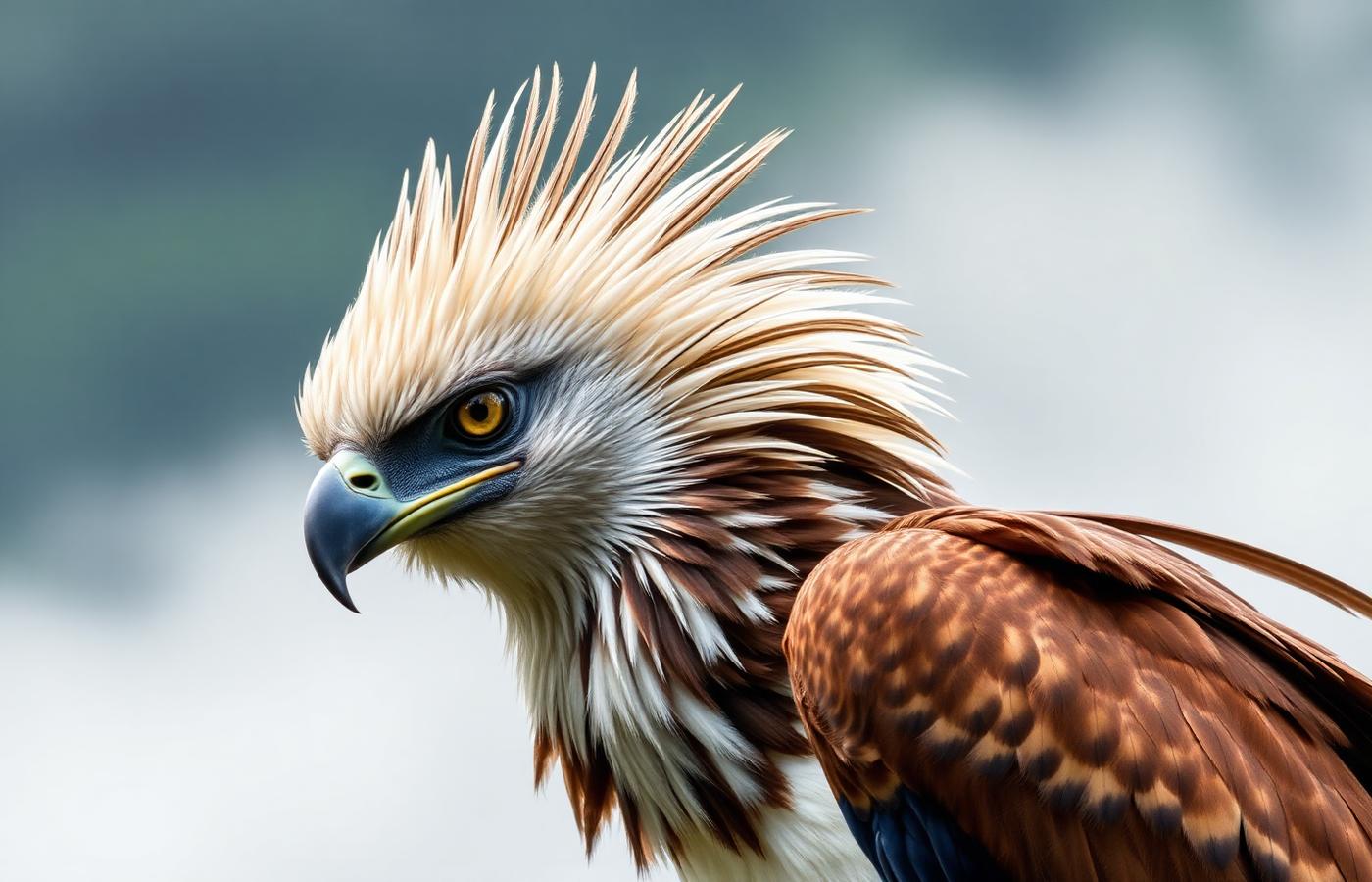
The Philippine Eagle: A Complete Guide to the World's Rarest Raptor
With fewer than 400 breeding pairs remaining, the Philippine Eagle is one of the rarest raptors on Earth. Here's what field biologists have learned in three decades of recovery work.
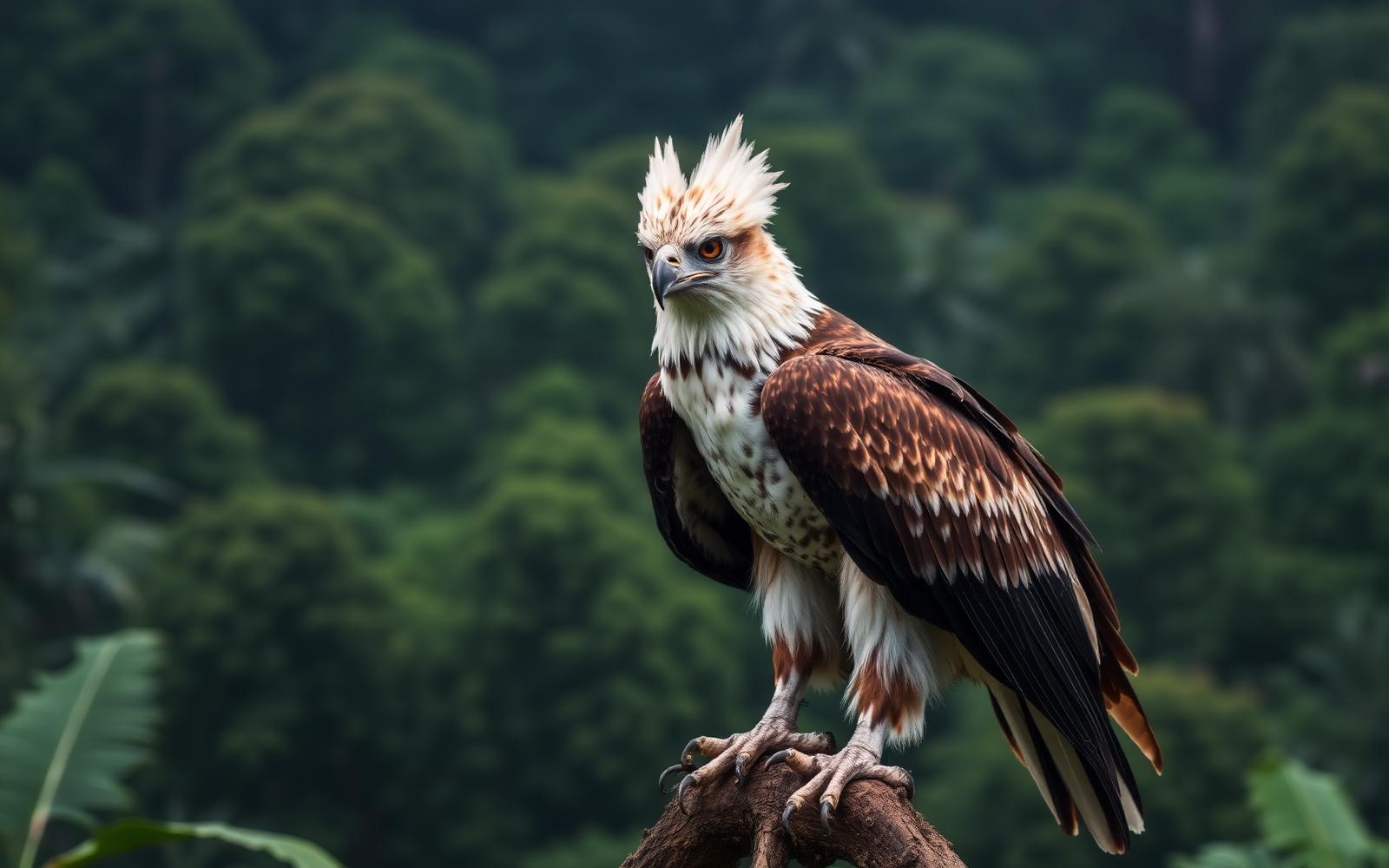
Harpy Eagle: The Apex Predator of the Neotropical Rainforest
The Harpy Eagle takes monkeys and sloths from the canopy with talons the size of a grizzly bear's. Yet across most of its range, it is now functionally rare.